Signs of Rats and Mice: How to Detect Rodent Activity Before You See One
1 October 2026
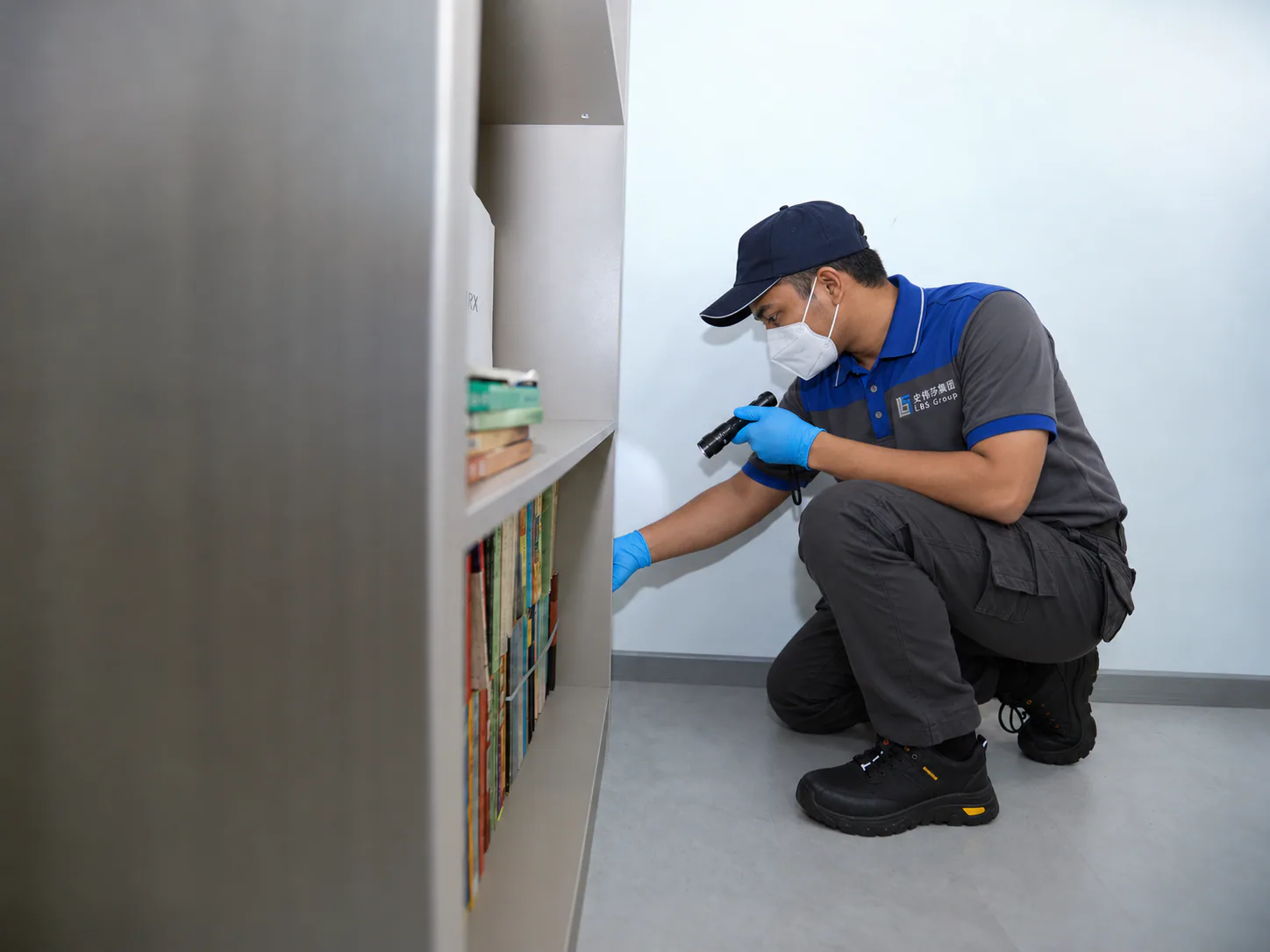
Seeing a rat or mouse is an obvious warning sign, but many infestations can be detected earlier. Rodents are usually most active when people are less active, so businesses may have ongoing movement at night without staff seeing the animals directly. Looking for physical evidence and monitoring activity can reveal the problem sooner.
Quick Answer: What Are the Main Signs of Rodents?
Common signs include droppings, gnaw marks greasy rub marks, tracks, scratching noises, damaged packaging, nesting material and repeated activity around food or waste areas. In commercial premises, sensors and smart traps can add another layer of information by recording movement and capture events between service visits.
1. Rodent Droppings
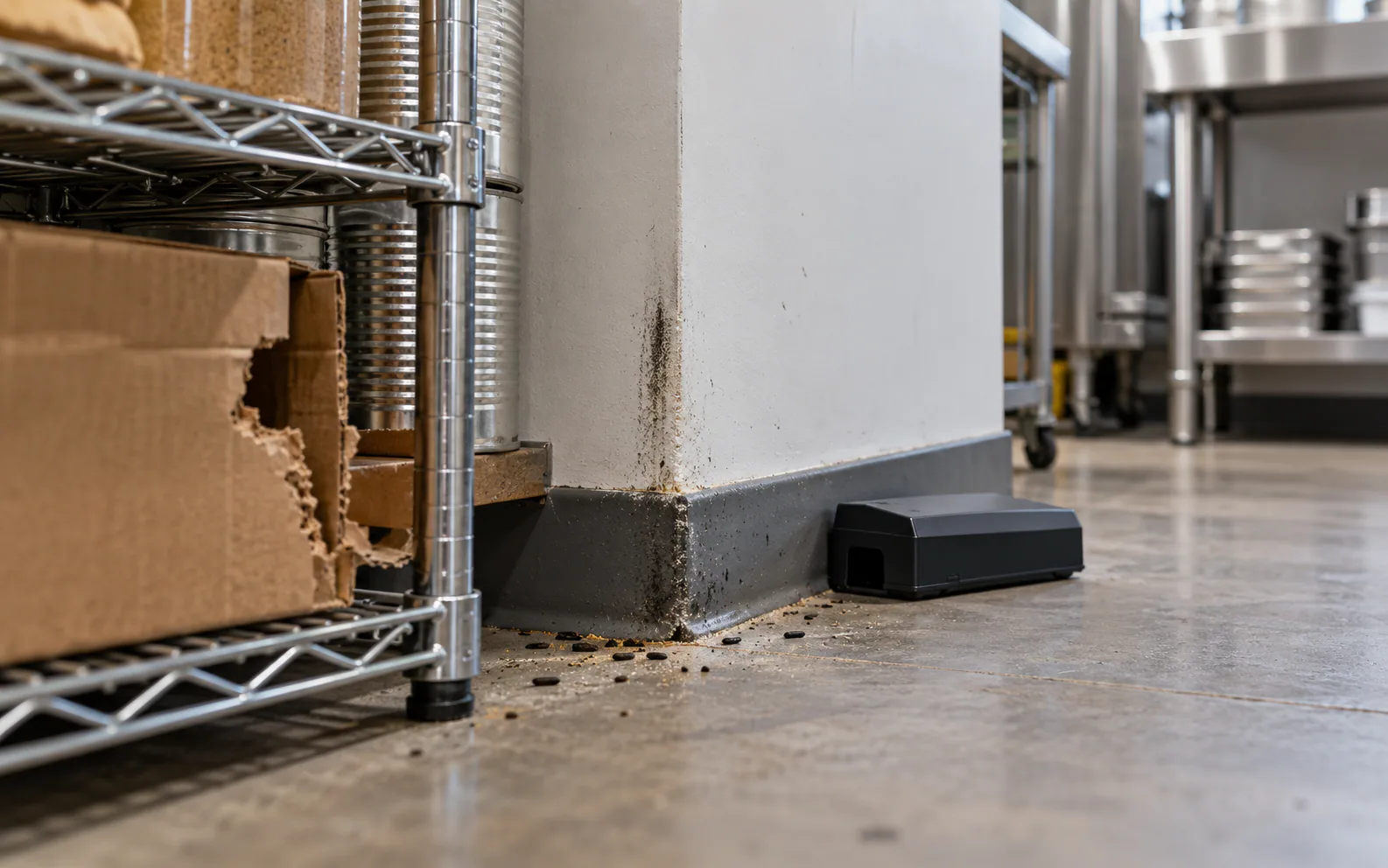
Droppings are one of the most common signs of rodent activity. They may be found inside cabinets, along walls, behind equipment, in storerooms or near food and waste areas. The location and freshness of droppings can help indicate where rodents are travelling or feeding.
2. Gnaw Marks and Damaged Materials
Rats and mice gnaw regularly. You may notice damage to cartons, plastic packaging, timber, cables or other materials. Fresh gnawing often looks lighter in colour than older damage.
3. Grease or Rub Marks Along Travel Routes
Rodents tend to follow repeated routes along walls and edges. Over time, contact with their fur can leave dark rub marks on surfaces. These marks are especially useful when they appear together with droppings or gnawing.
4. Scratching or Movement Sounds
Scratching, scurrying or movement noises in ceilings, wall voids, storerooms or behind equipment can indicate activity when the building is quiet. Night-time reports from security or cleaning teams can be particularly useful.
5. Nesting Material
Rodents may use shredded paper, cardboard, insulation, fabric or other soft materials for nesting. Nesting evidence is often found in protected voids, storage areas or places with low disturbance.
6. Damaged Food or Packaging
Torn bags, punctured cartons, chewed containers or unexplained food loss can indicate rodent access. In F&B and warehousing environments, damaged packaging should be treated as a hygiene and stock-protection concern.
7. Repeated Activity Around Entry Points
Gaps below doors, pipe penetrations, drains, roof spaces and service openings can become access points. Rodent activity near these areas may indicate where exclusion work should be prioritised.
How Smart Rodent Monitoring Can Help
Traditional traps and inspections remain important, but connected devices can add continuous visibility between visits. LBS Group’s IoT Rodent Management Series combines activity sensors, smart traps and frequency-based deterrent devices. Sensor data can help identify movement patterns and recurring hotspots, while smart traps provide notifications when activity or a capture is detected.
Digital trend reporting is especially useful in commercial premises because it helps teams compare activity over time rather than relying only on occasional sightings. This can support more targeted placement of traps, bait stations and exclusion work.
What Should You Do If You Find Rodent Signs?
Avoid disturbing droppings or nesting material without proper precautions. Identify food and water sources, improve waste management, check likely entry points and arrange an inspection if activity is recurring. A professional programme may combine bait stations, glue traps where appropriate, smart monitoring, trapping and entry-point sealing.
Frequently Asked Questions
What is the first sign of a rodent infestation?
Droppings and gnaw marks are common early signs. In commercial premises, sensor alerts may identify movement before staff see a rodent.
Where do rats and mice usually hide?
Common areas include ceilings, wall voids, storerooms, behind equipment, near drains and in quiet spaces close to food or waste.
Can rodents enter through small gaps?
Yes. Rodents can use surprisingly small openings, so sealing service penetrations and gaps around doors is an important part of prevention.
Why is rodent monitoring important after treatment?
Monitoring helps confirm whether activity is declining and whether new hotspots or entry routes are developing.
What does IoT rodent monitoring do?
Connected devices can detect movement, report smart-trap activity and create trend data that helps guide follow-up actions and placement decisions.
Need Help With Rodent Activity?
LBS Group provides conventional and IoT-supported rodent management for commercial and residential premises, with monitoring, trapping, baiting and exclusion recommendations based on the site.