Service Details
View completed service activities, treatment areas and work carried out during each visit.

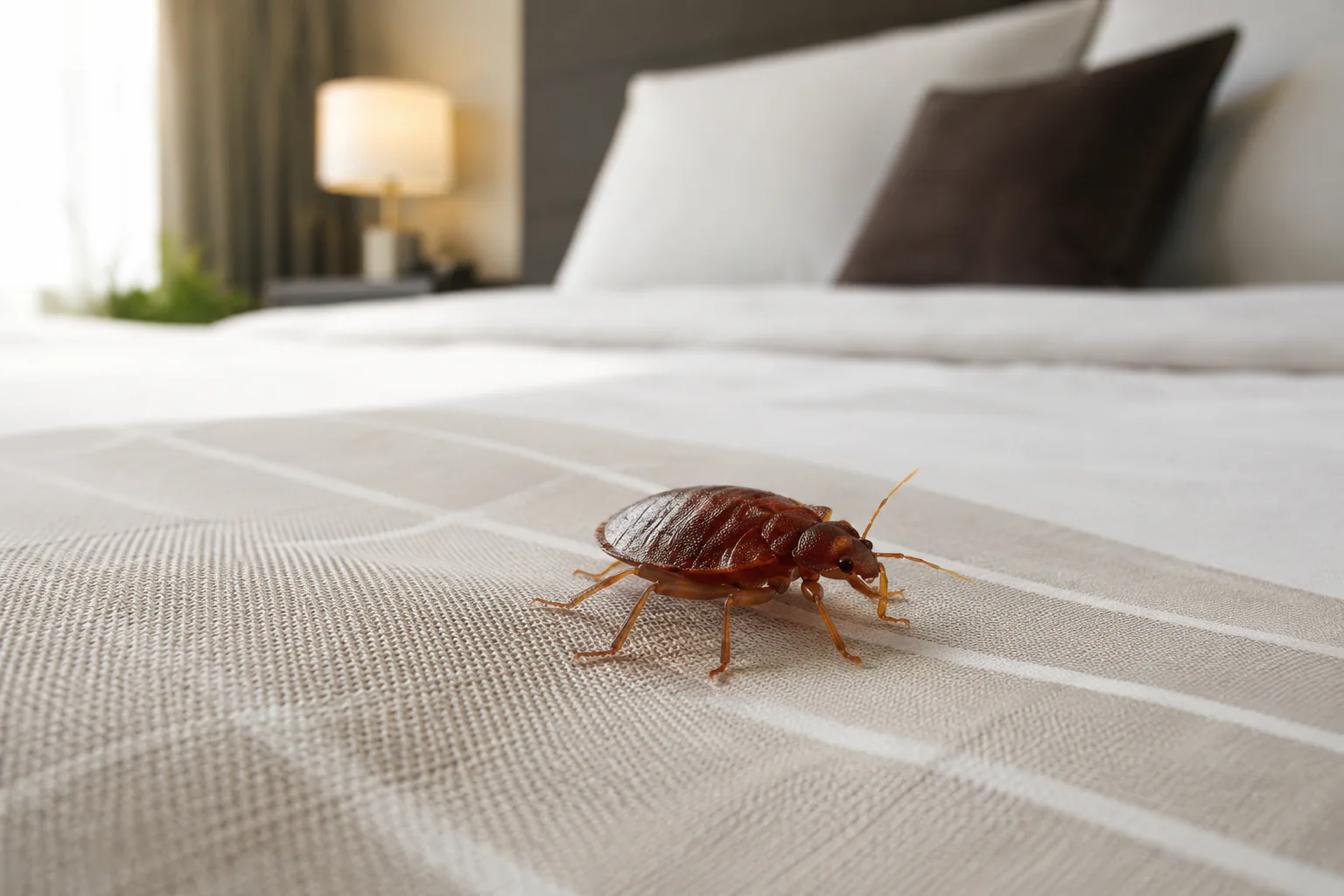
Bed bugs hide deep within mattresses, furniture and small crevices, emerging at night to feed. LBS Group provides discreet professional bed bug control for homes, hotels and commercial accommodation across Malaysia.
Bed bugs are expert hitchhikers that can spread through luggage, clothing, bedding and furniture. Once introduced, they hide in mattress seams, bed frames, headboards, furniture and narrow cracks near sleeping areas before emerging to feed at night. Because bed bugs and their eggs can remain hidden in very small spaces, an infestation may continue even when activity appears to have stopped. Early detection, thorough treatment and follow-up monitoring are important for achieving effective control.
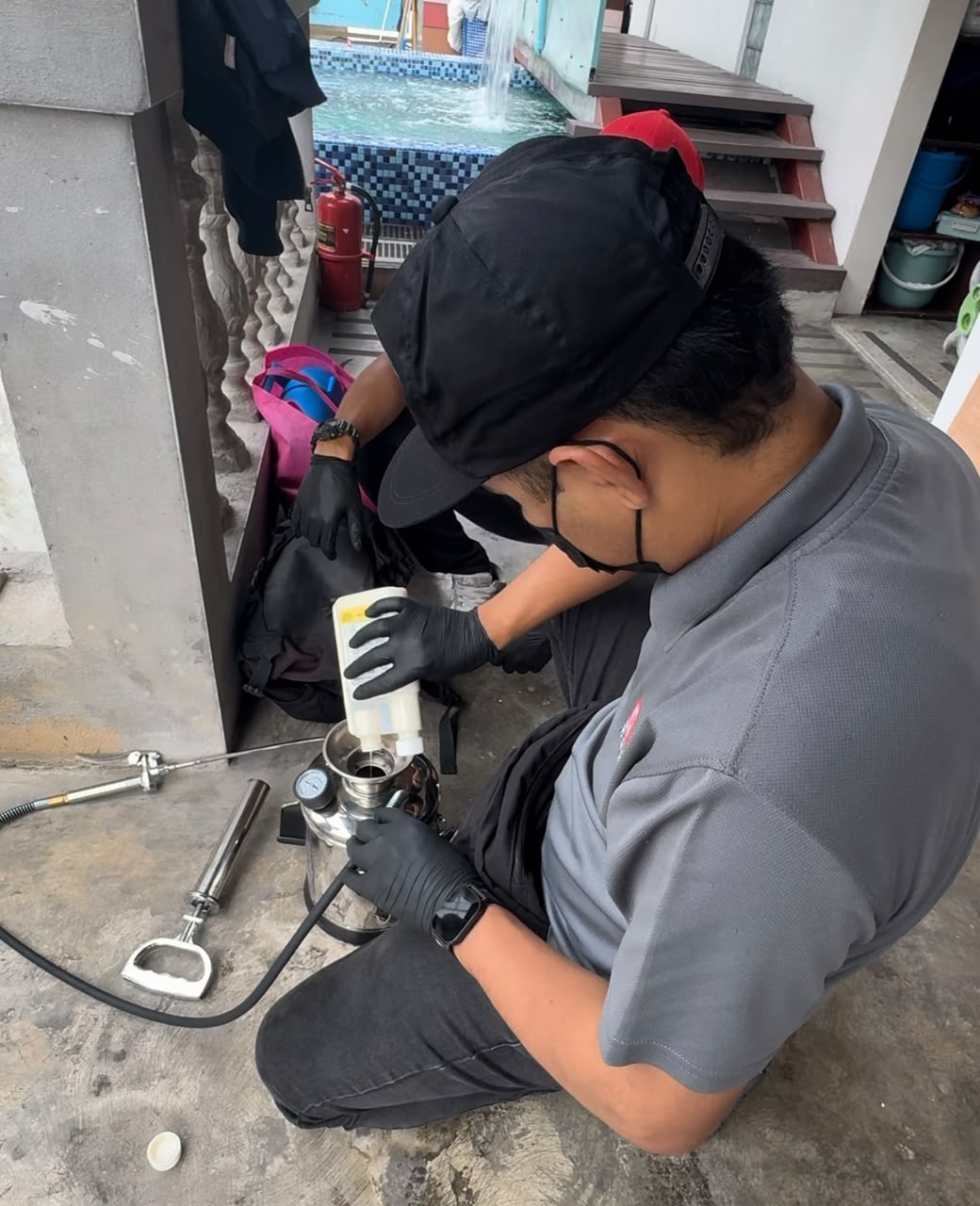
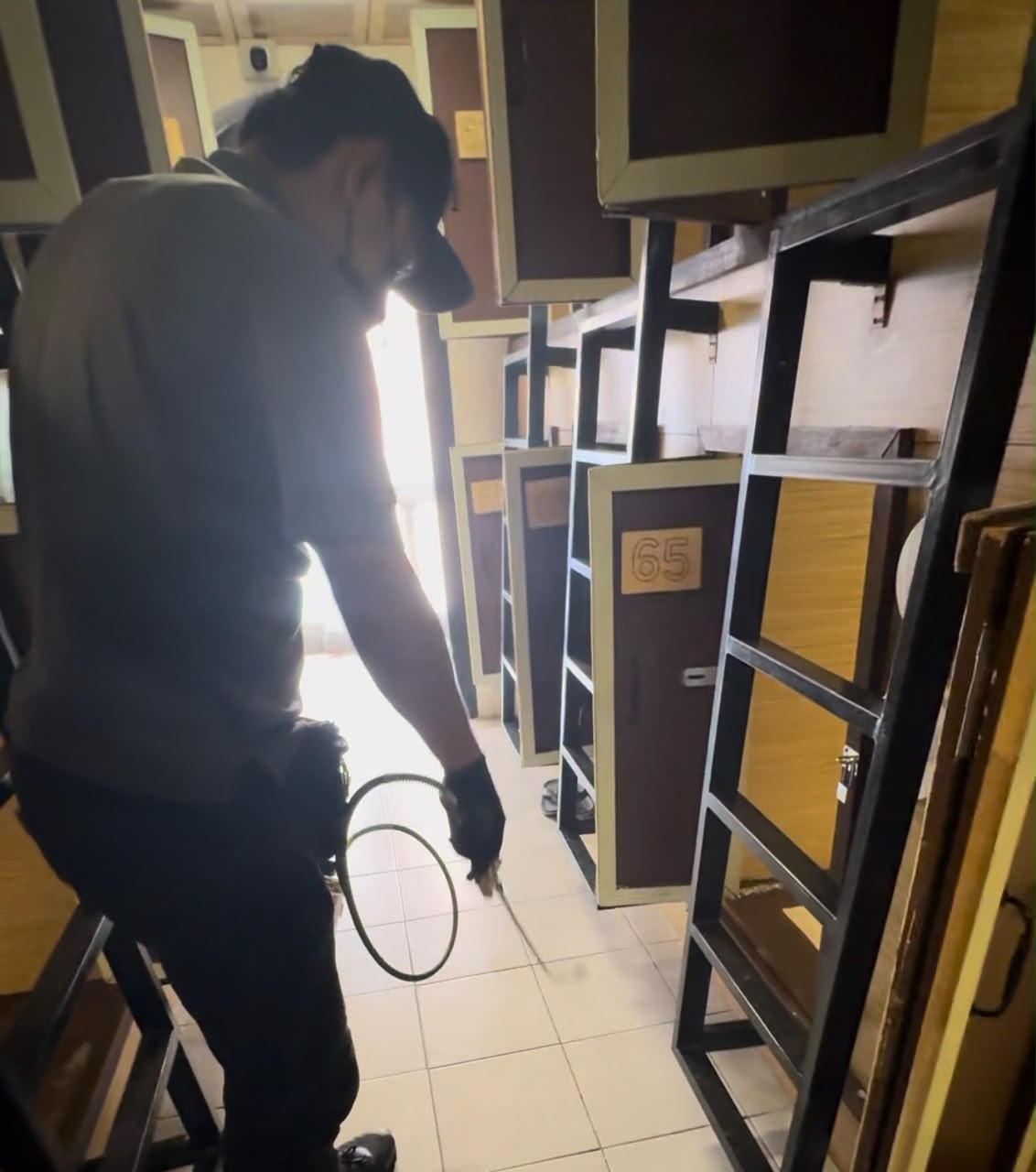
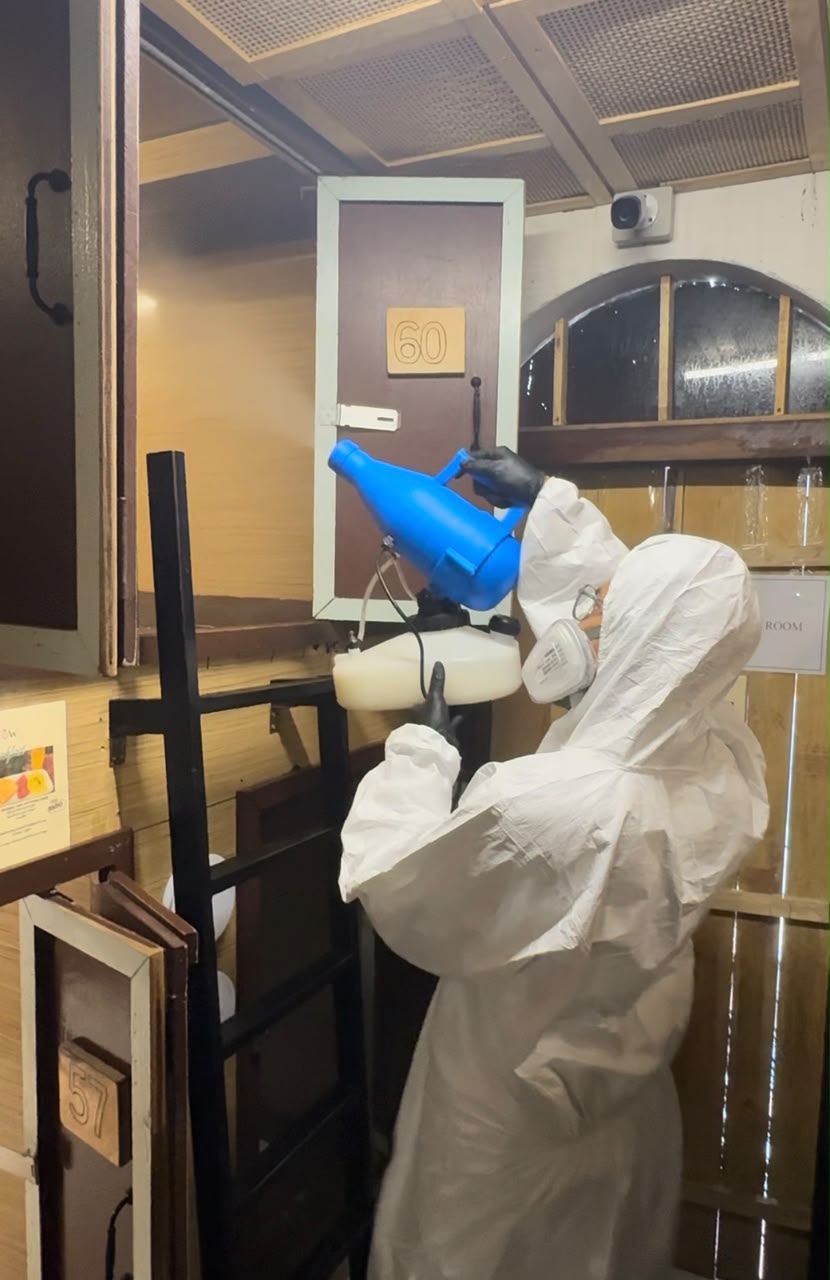
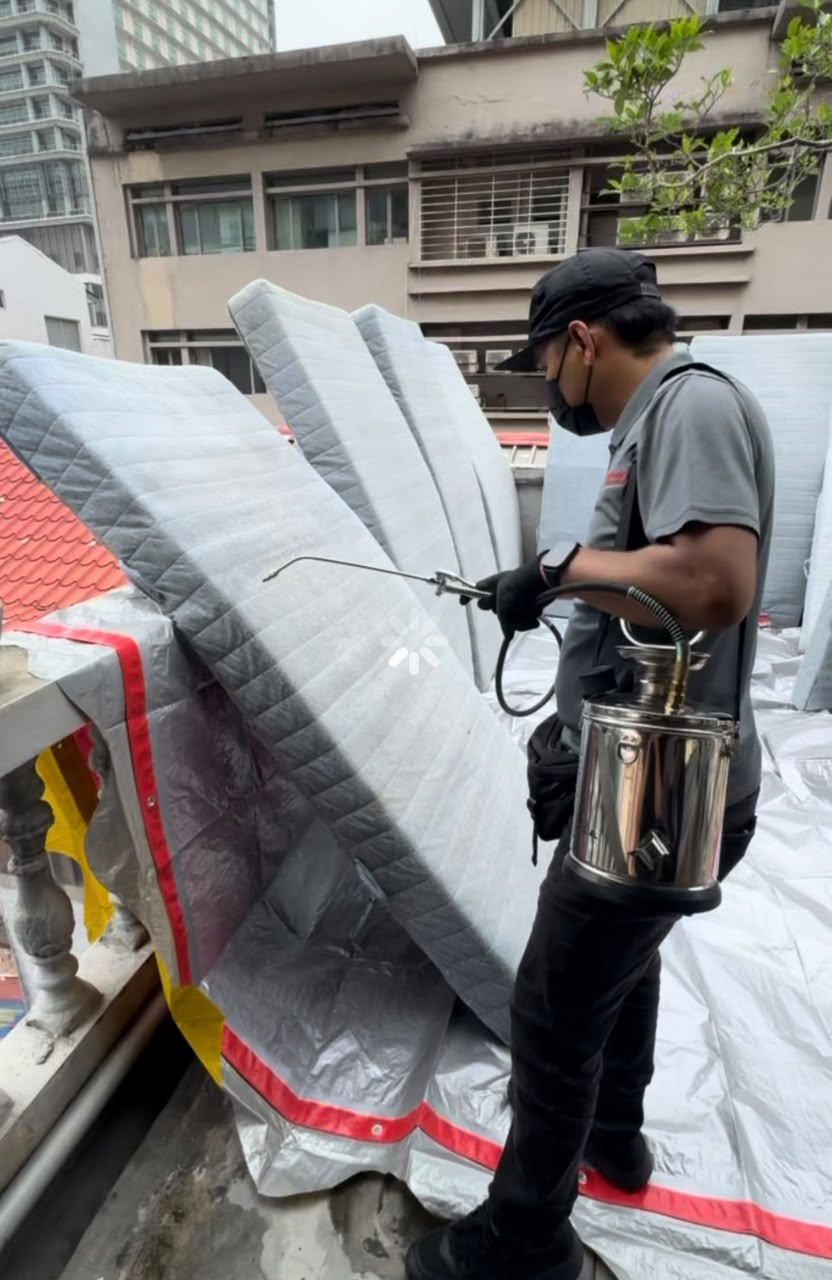
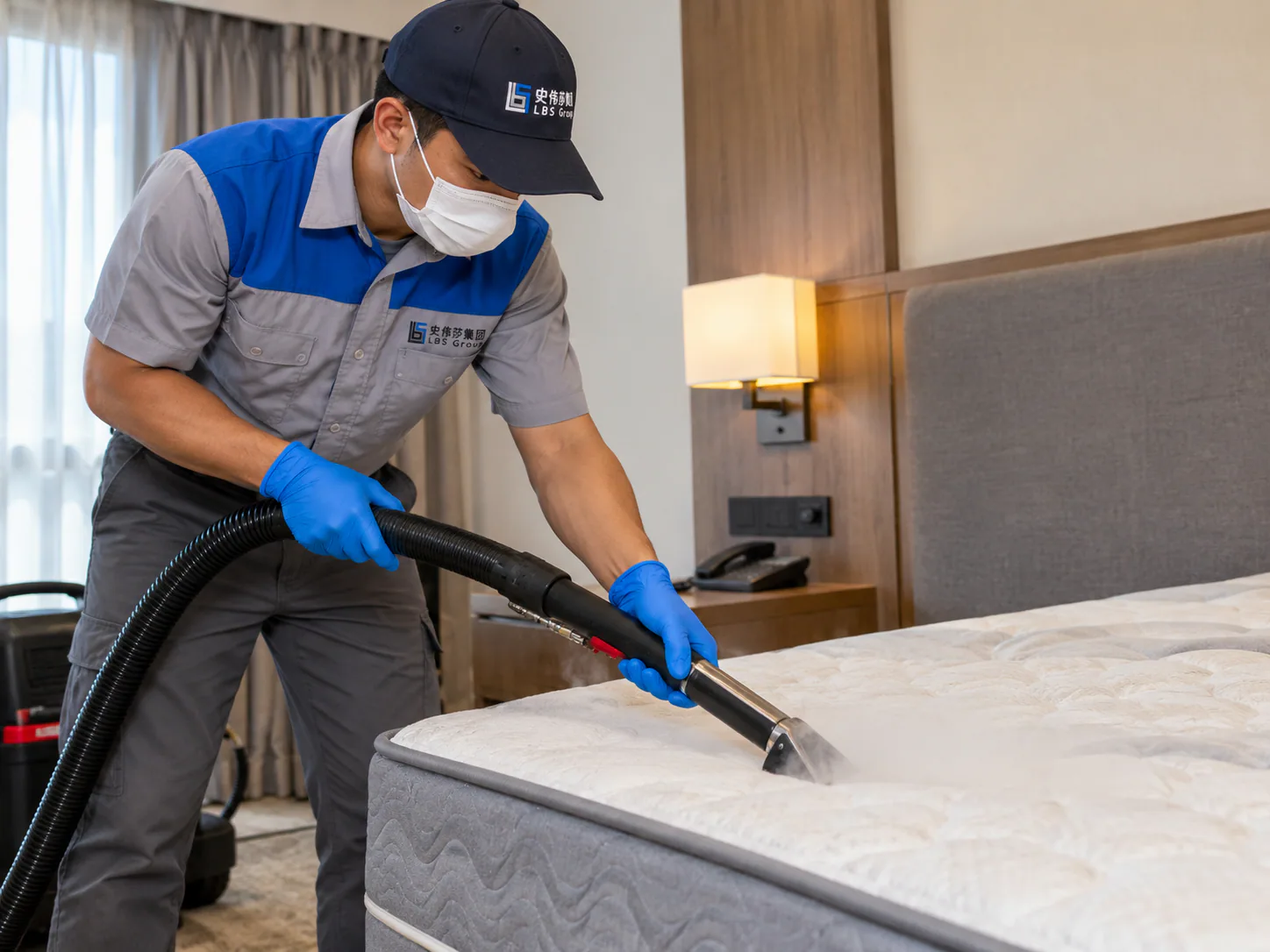
Targeted residual insecticide is applied to suitable cracks, crevices and bed bug harbourage areas to control active bed bugs and provide continued protection on treated surfaces.
A fine insecticidal mist may be used as part of the treatment programme to provide broader coverage within affected rooms and surrounding areas where appropriate.
Controlled heat treatment raises temperatures within the affected area to levels capable of eliminating bed bugs across different life stages, including eggs.
Bed bug treatment may require multiple visits because eggs can survive some insecticide treatments and hatch afterwards. Follow-up inspections help identify newly hatched bed bugs and determine whether further treatment is required.
A structured service journey that keeps every treatment, observation and follow-up action clear.
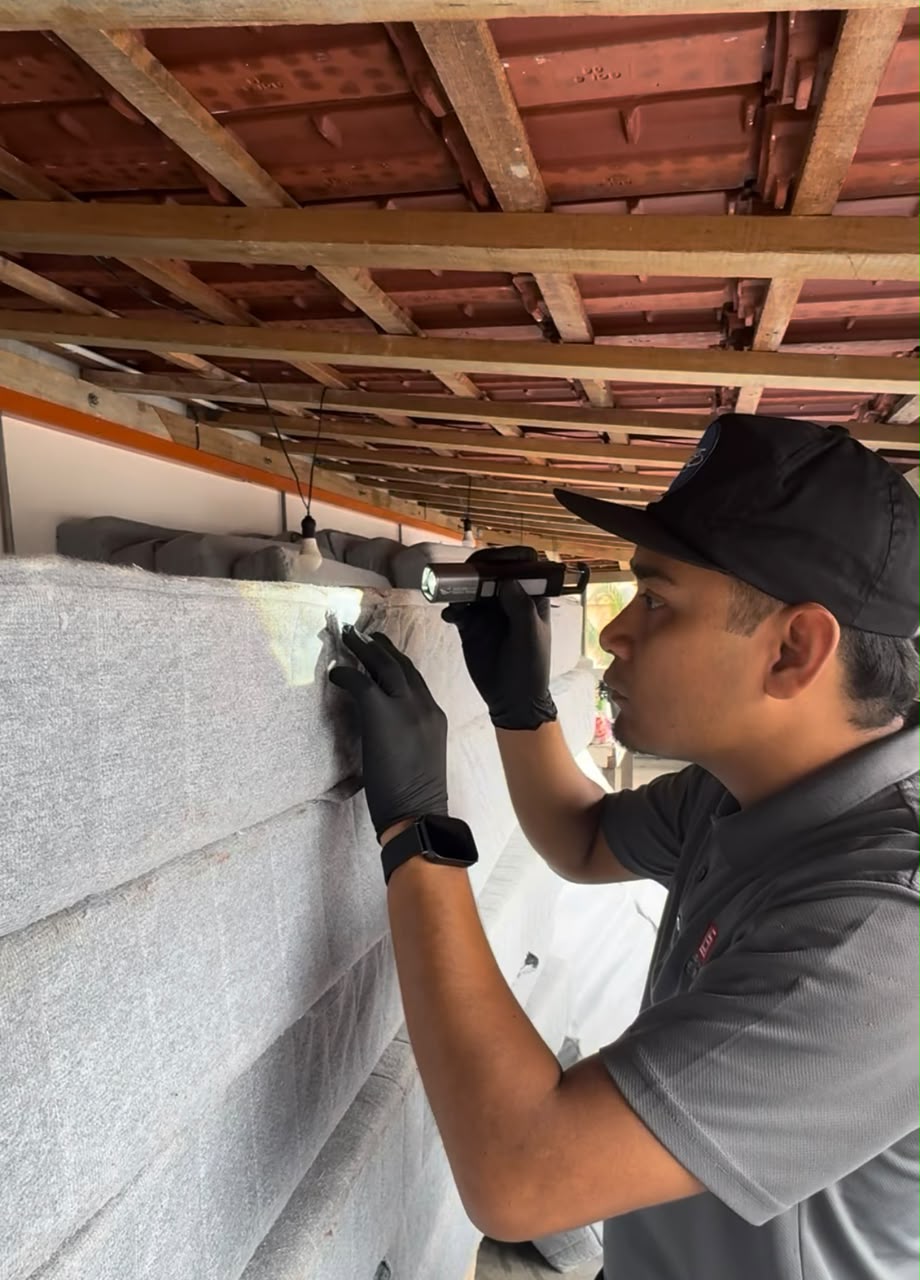
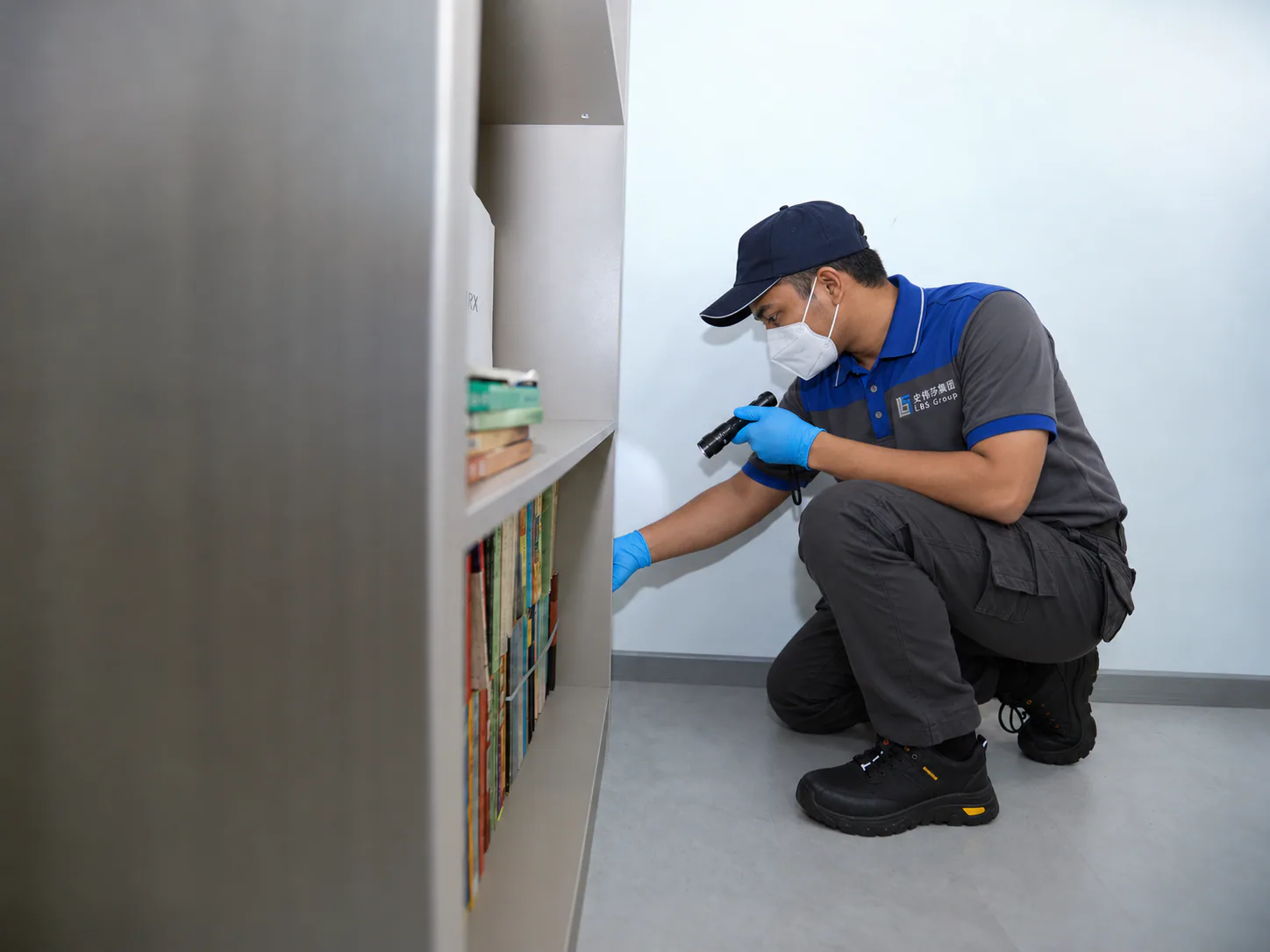
Technicians inspect mattresses, bed frames, headboards, furniture and surrounding harbourage areas for live bed bugs, eggs and signs of activity.
The extent of the infestation and affected areas are assessed before selecting the appropriate combination of treatment methods for the property.
Residual insecticide is applied to identified bed bug harbourage areas, cracks, crevices and other suitable treatment surfaces to provide targeted control.
ULV misting may be used where appropriate as part of the treatment programme, helping provide broader treatment coverage within affected areas.
Bed bug control may require more than one visit. Follow-up inspections identify remaining activity and newly hatched bed bugs, with additional targeted treatment carried out where required.
Stay informed with digital service reports that provide a clear record of completed work, observations and recommended follow-up actions. Our reporting helps businesses maintain organised pest management and hygiene records across their premises.
Keep pest control and hygiene service records, findings and follow-up actions together in one place.
View completed service activities, treatment areas and work carried out during each visit.
Record pest activity, hygiene findings and other conditions identified during the service inspection.
Recommended actions are clearly documented so issues can be addressed and responsibilities followed up.
Maintain an organised record of previous visits, observations and actions for easier tracking and future reference.
Professional pest management and hygiene solutions backed by decades of experience, broad service coverage and a team focused on consistent service and long-term customer support.
Serving residential and commercial customers since 1998.
Supporting customers across multiple regions with coordinated service coverage.
Businesses and households supported through professional pest management and hygiene solutions.
Common signs of bed bugs include live bugs around mattress seams and bed frames, dark spotting, shed skins, small eggs and unexplained bites after sleeping. Bites alone cannot confirm an infestation, so a detailed inspection is recommended to identify bed bug activity and hiding areas.
Bed bug control often requires more than one treatment. Some insecticide treatments may not reliably eliminate bed bug eggs, allowing newly hatched bugs to appear after the initial service. Follow-up inspections and additional treatment are therefore scheduled where required to break the infestation cycle.
Yes. Bed bugs can be carried between rooms on luggage, clothing, bedding and furniture, and infestations may extend beyond the room where they were first discovered. In hotels and accommodation properties, surrounding rooms may also need to be inspected to determine whether the infestation has spread.
The cost of bed bug treatment depends on factors such as the number of affected rooms, severity and spread of the infestation, property type, treatment method and number of follow-up visits required. An inspection helps determine the appropriate treatment programme and scope before quotation.
Not necessarily. A mattress does not automatically need to be discarded because bed bugs are present. The infestation level, condition of the mattress and location of bed bug activity should first be assessed to determine whether treatment is suitable or replacement is necessary.
Tell us what your premises need and our team will recommend the appropriate pest management or hygiene solution.