Service Details
View completed service activities, treatment areas and work carried out during each visit.
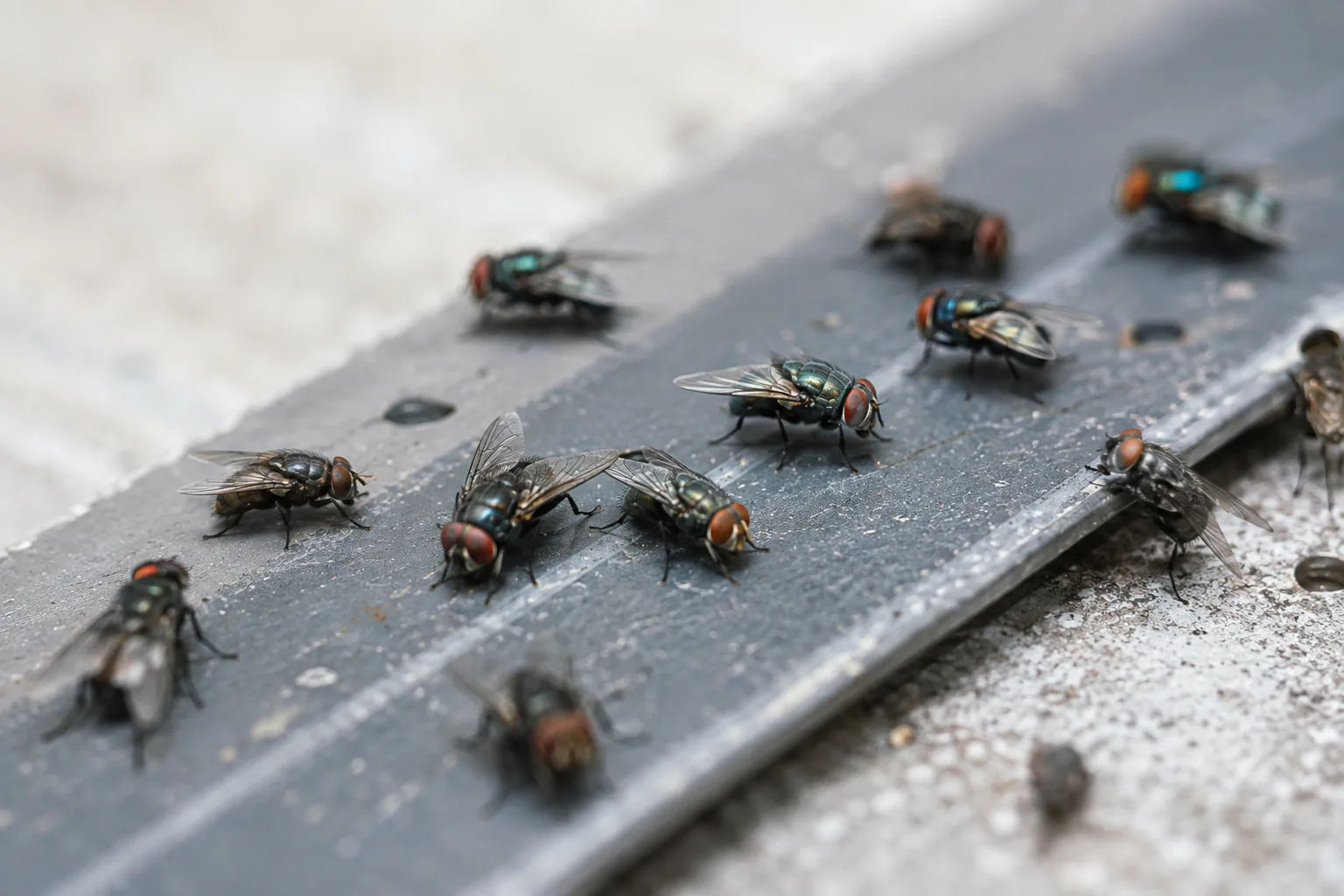
Flies can contaminate food and preparation surfaces while breeding rapidly around waste, drains and organic matter. LBS Group provides professional fly control for homes and businesses across Malaysia.
Flies breed rapidly around waste, drains, decaying organic matter and other moist breeding sources. As they move between contaminated material, food and preparation areas, they can transfer microorganisms onto food-contact surfaces. Persistent fly activity can create significant hygiene and food-safety concerns for restaurants, commercial kitchens and other food-handling premises.
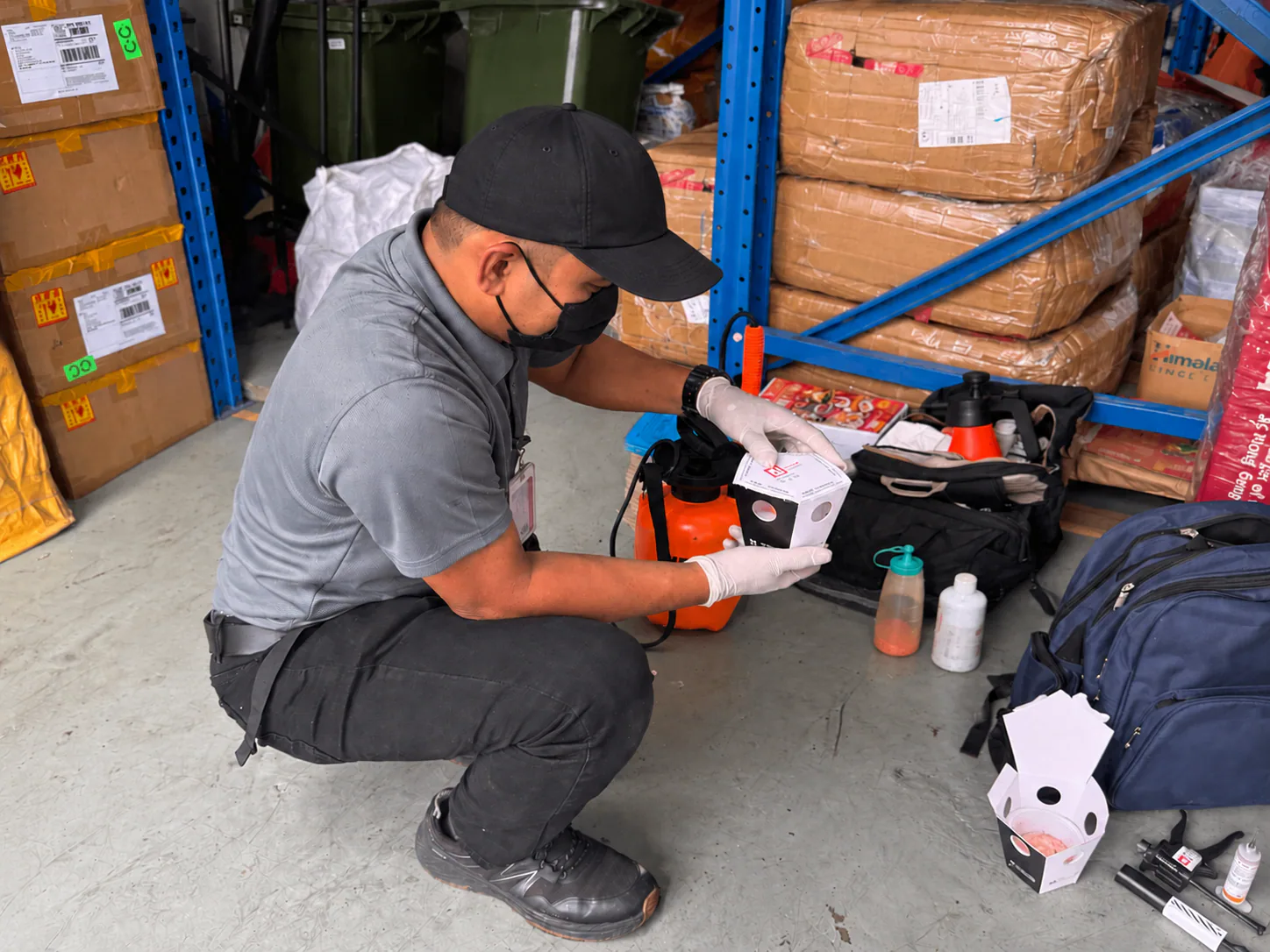
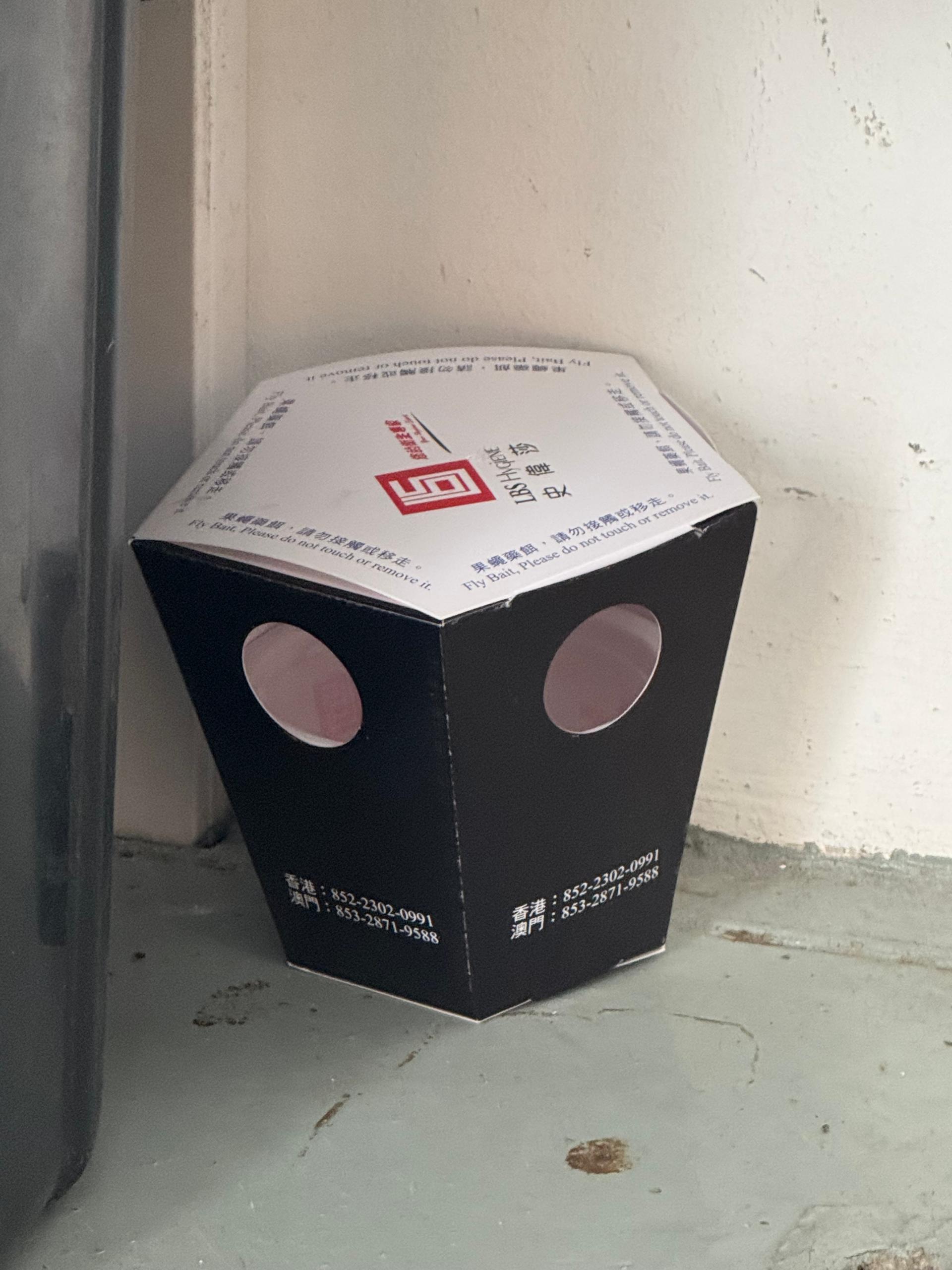
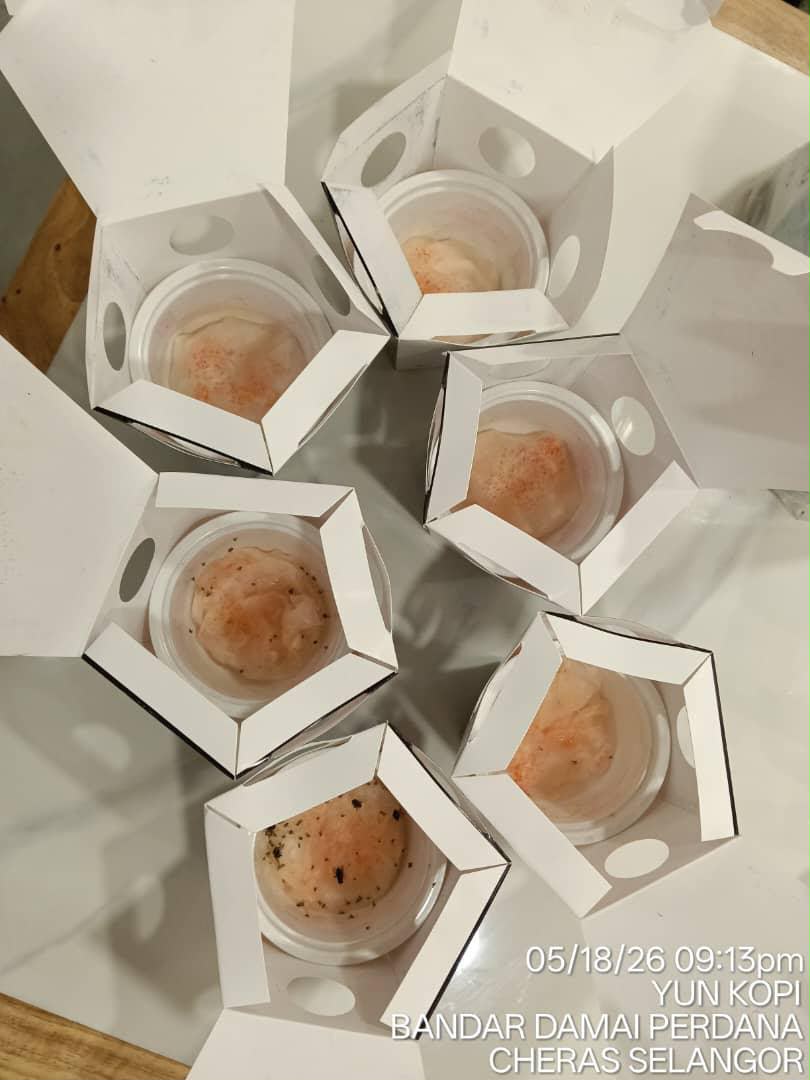
Monitoring cups are positioned in suitable areas to detect and capture small flies such as fruit flies and drain flies, helping identify activity hotspots and possible breeding sources.
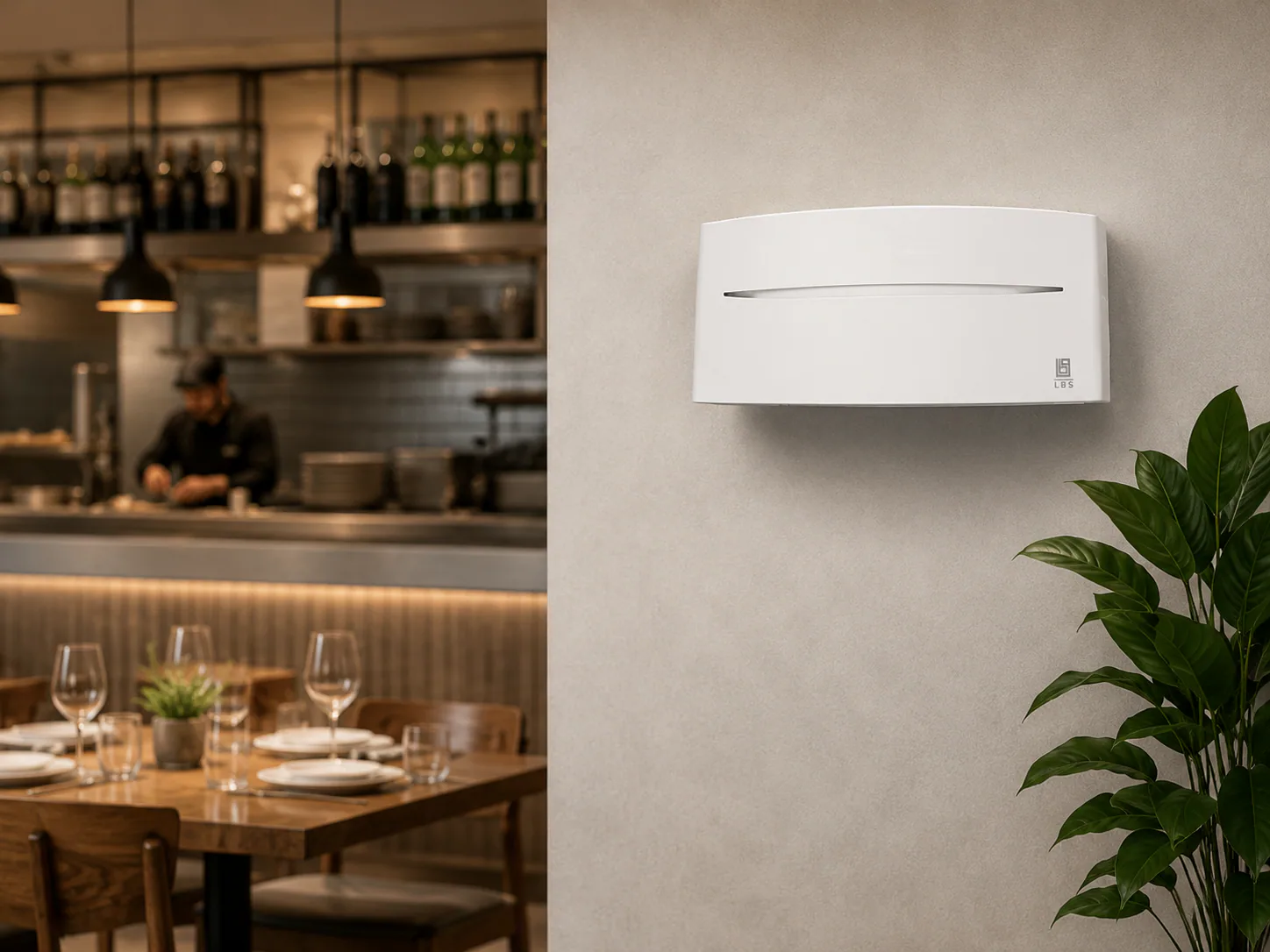
UV fly trap units are strategically positioned based on fly movement, entry points and sensitive areas to attract and capture adult flying insects indoors.
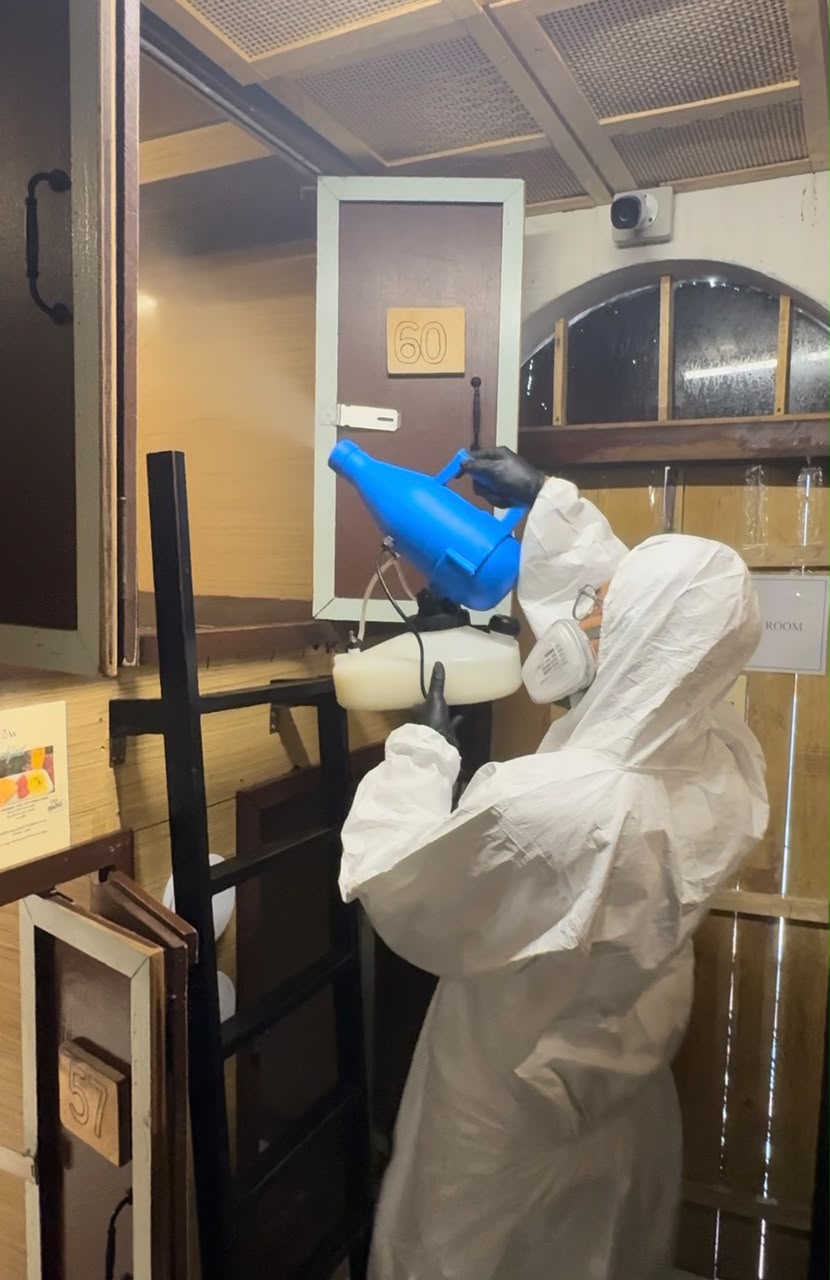
For heavier fly activity, targeted misting may be used where appropriate to rapidly reduce adult fly populations within affected areas as part of the wider treatment programme.
Catch levels from fly monitoring cups and UV fly traps are recorded by location and compared over time to identify recurring hotspots, evaluate treatment effectiveness and guide further corrective action.
A structured service journey that keeps every treatment, observation and follow-up action clear.
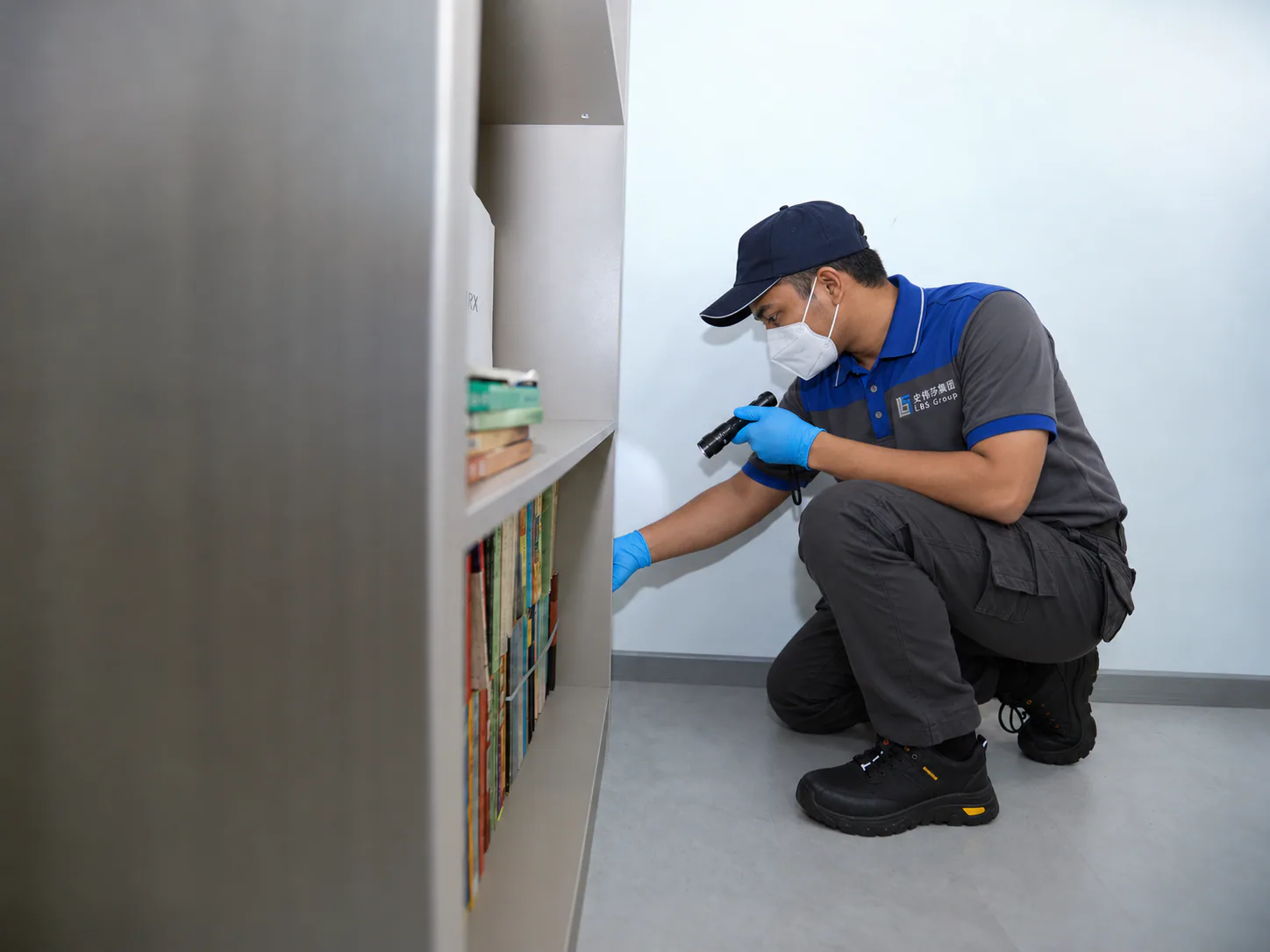
Technicians inspect waste areas, drains, food-handling zones, entry points and other likely breeding or resting areas for signs of fly activity.
The fly species, activity level, breeding sources and affected areas are assessed before selecting the appropriate combination of control methods for the property.
Fly monitoring cups, UV fly traps and targeted treatment are deployed where appropriate to control adult fly activity and address identified hotspots.
For heavier fly activity, targeted misting may be applied where appropriate to rapidly reduce adult fly populations within affected areas as part of the wider control programme.
Catch data from monitoring cups and UV fly traps are reviewed over time to identify recurring hotspots, measure changes in activity and determine whether further corrective action is required.
Stay informed with digital service reports that provide a clear record of completed work, observations and recommended follow-up actions. Our reporting helps businesses maintain organised pest management and hygiene records across their premises.
Keep pest control and hygiene service records, findings and follow-up actions together in one place.
View completed service activities, treatment areas and work carried out during each visit.
Record pest activity, hygiene findings and other conditions identified during the service inspection.
Recommended actions are clearly documented so issues can be addressed and responsibilities followed up.
Maintain an organised record of previous visits, observations and actions for easier tracking and future reference.
Professional pest management and hygiene solutions backed by decades of experience, broad service coverage and a team focused on consistent service and long-term customer support.
Serving residential and commercial customers since 1998.
Supporting customers across multiple regions with coordinated service coverage.
Businesses and households supported through professional pest management and hygiene solutions.
Fly infestations are commonly associated with accessible food, waste, moisture and decaying organic matter. Breeding sources may include rubbish areas, drains, food residues and other damp locations where flies can feed or reproduce. Identifying and removing these sources is an important part of long-term fly control.
House flies are larger and commonly associated with waste and food-handling areas, while fruit flies are small flies attracted to fermenting fruits and organic material. Drain flies are usually found around drains and other moist areas containing organic buildup. Correct identification helps determine where to inspect and which control methods are most appropriate.
UV fly traps can help capture and monitor adult flying insects indoors, but they may not eliminate the breeding source responsible for the infestation. Effective fly control usually combines trapping with inspection, source reduction, exclusion and targeted treatment where required.
Fly activity can return when breeding material, moisture, food sources or entry points remain available. Monitoring trap catches over time helps identify recurring hotspots and determine whether further source reduction, treatment or exclusion measures are needed.
Fly control cost depends on factors such as the fly species, size and type of property, activity level, number of affected areas, required trapping or monitoring equipment and whether recurring service is needed. A site assessment helps determine the appropriate control programme before quotation.
Tell us what your premises need and our team will recommend the appropriate pest management or hygiene solution.