Service Details
View completed service activities, treatment areas and work carried out during each visit.

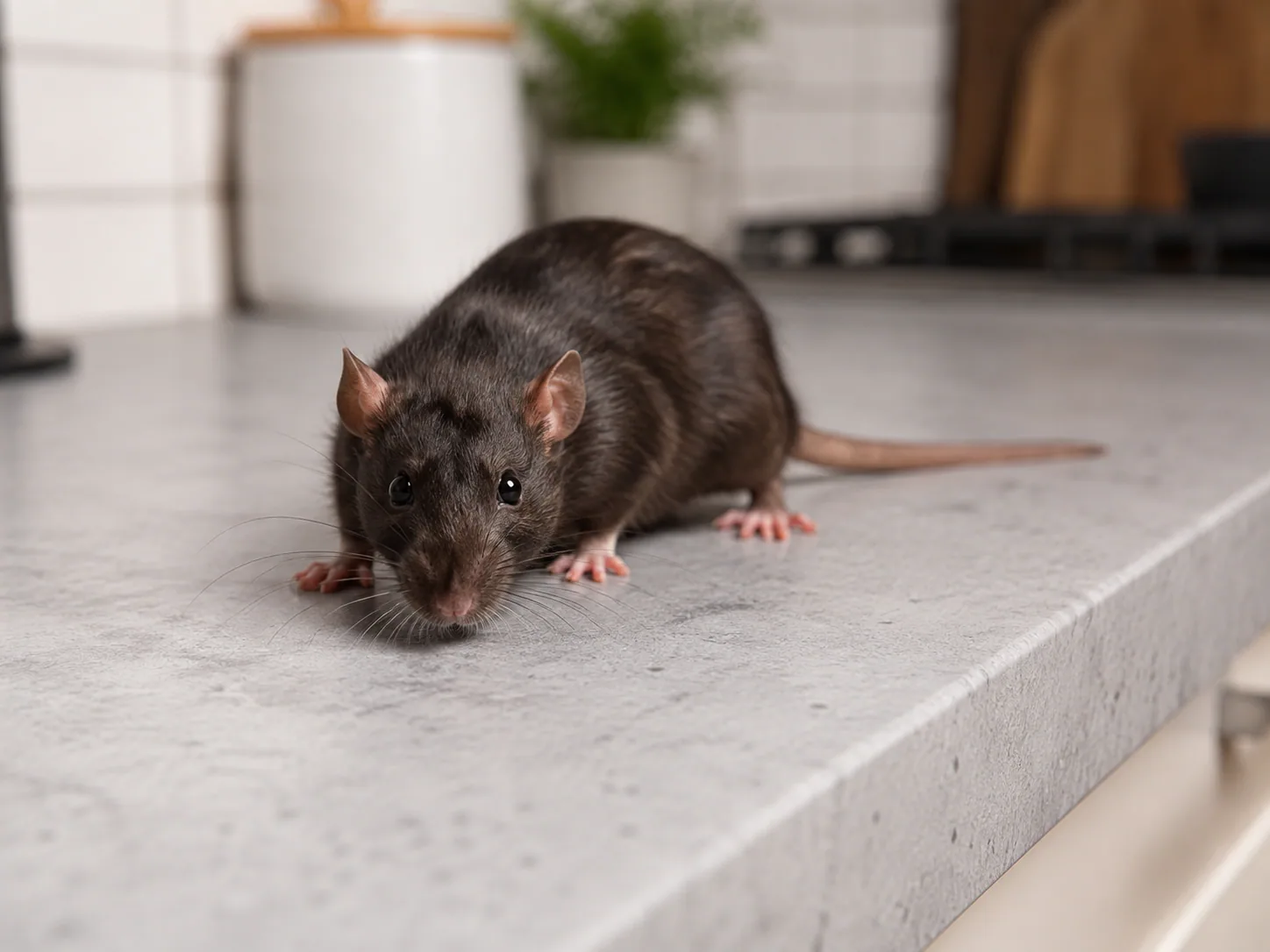
Rodents can contaminate food and surfaces, damage property and remain hidden within buildings. LBS Group combines professional rodent control with IoT monitoring for homes and businesses across Malaysia.
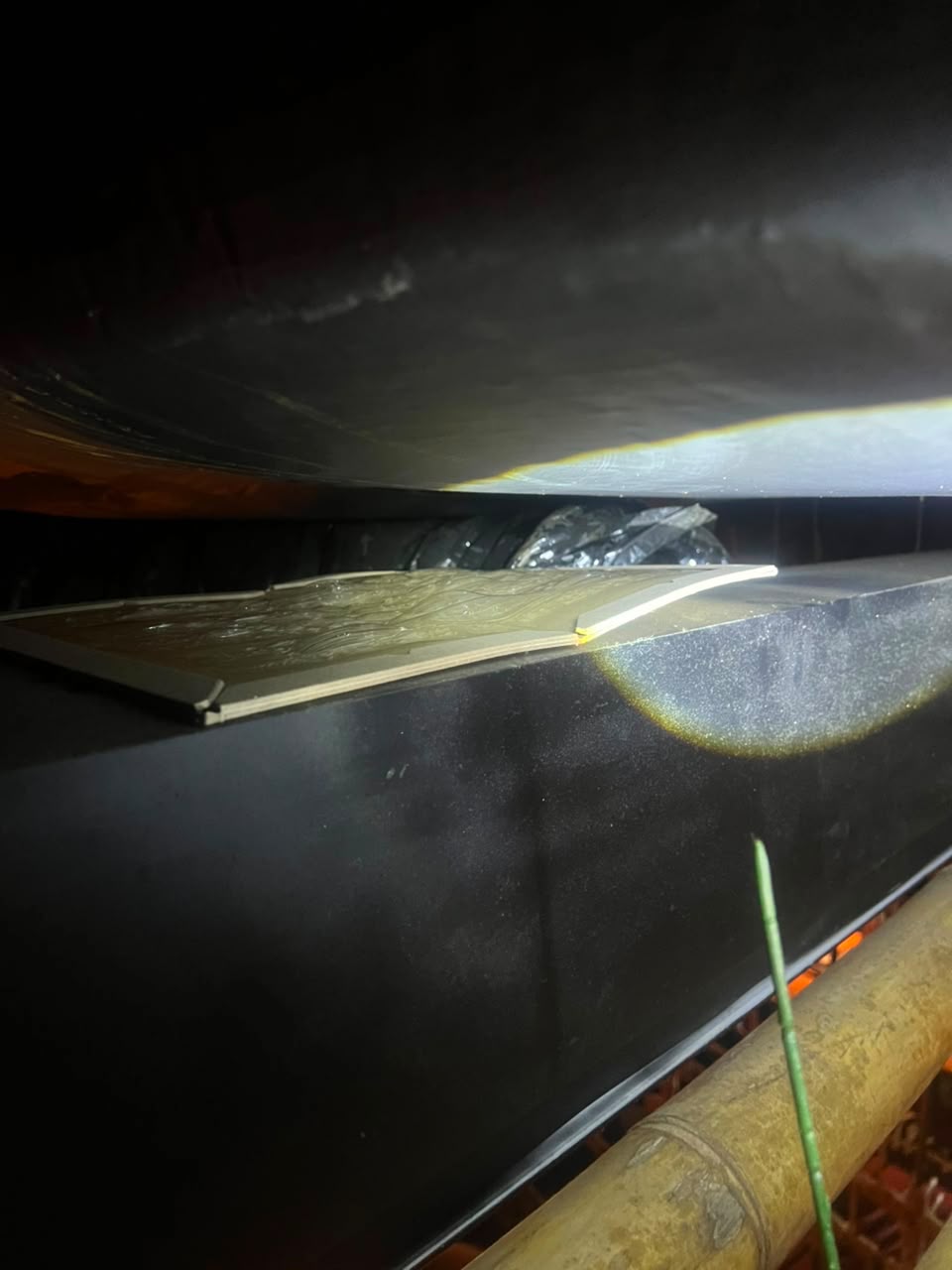
Rats and mice can contaminate food and surfaces through their droppings, urine and saliva while damaging packaging, fixtures and building materials through constant gnawing. They often move through hidden spaces and enter through small structural gaps, allowing an infestation to develop before rodents are frequently seen. For food and commercial premises, rodent activity can also create serious hygiene and pest-management concerns.
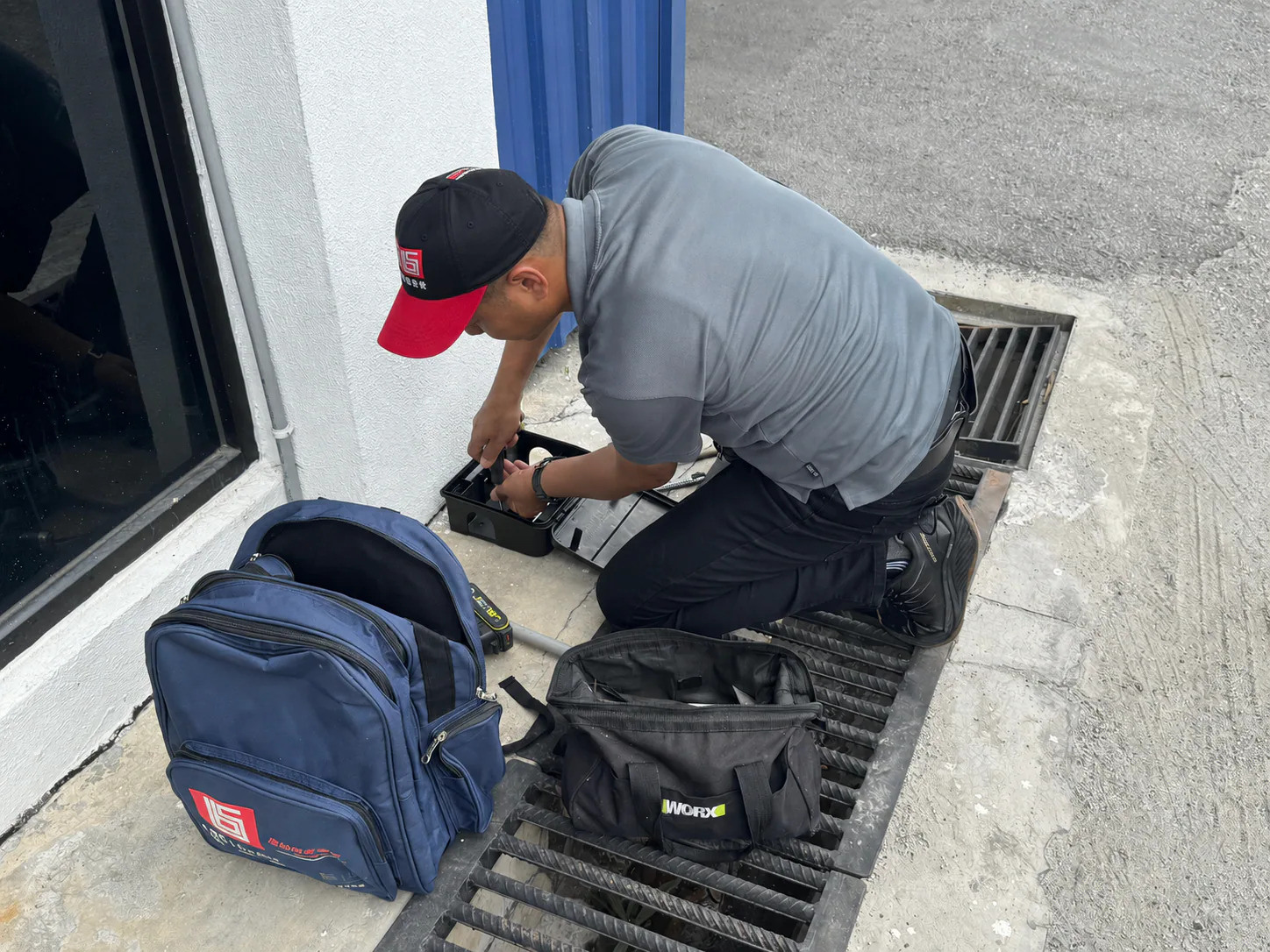
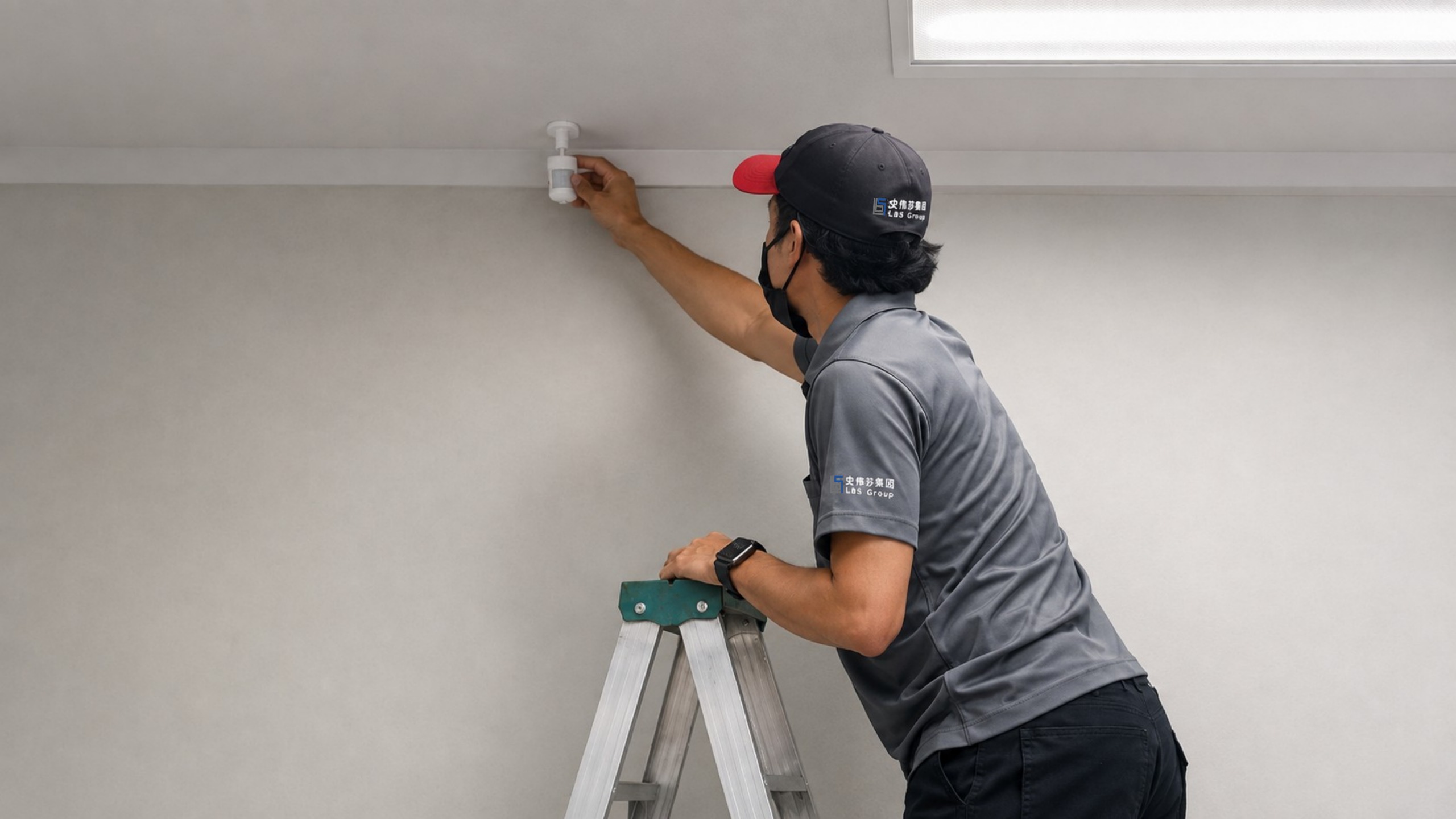
Connected sensors, smart traps and frequency-based deterrent devices are used together to monitor rodent movement, detect activity and provide alerts when trap events occur. Activity data is reviewed over time to identify recurring hotspots, track trends and guide corrective action.
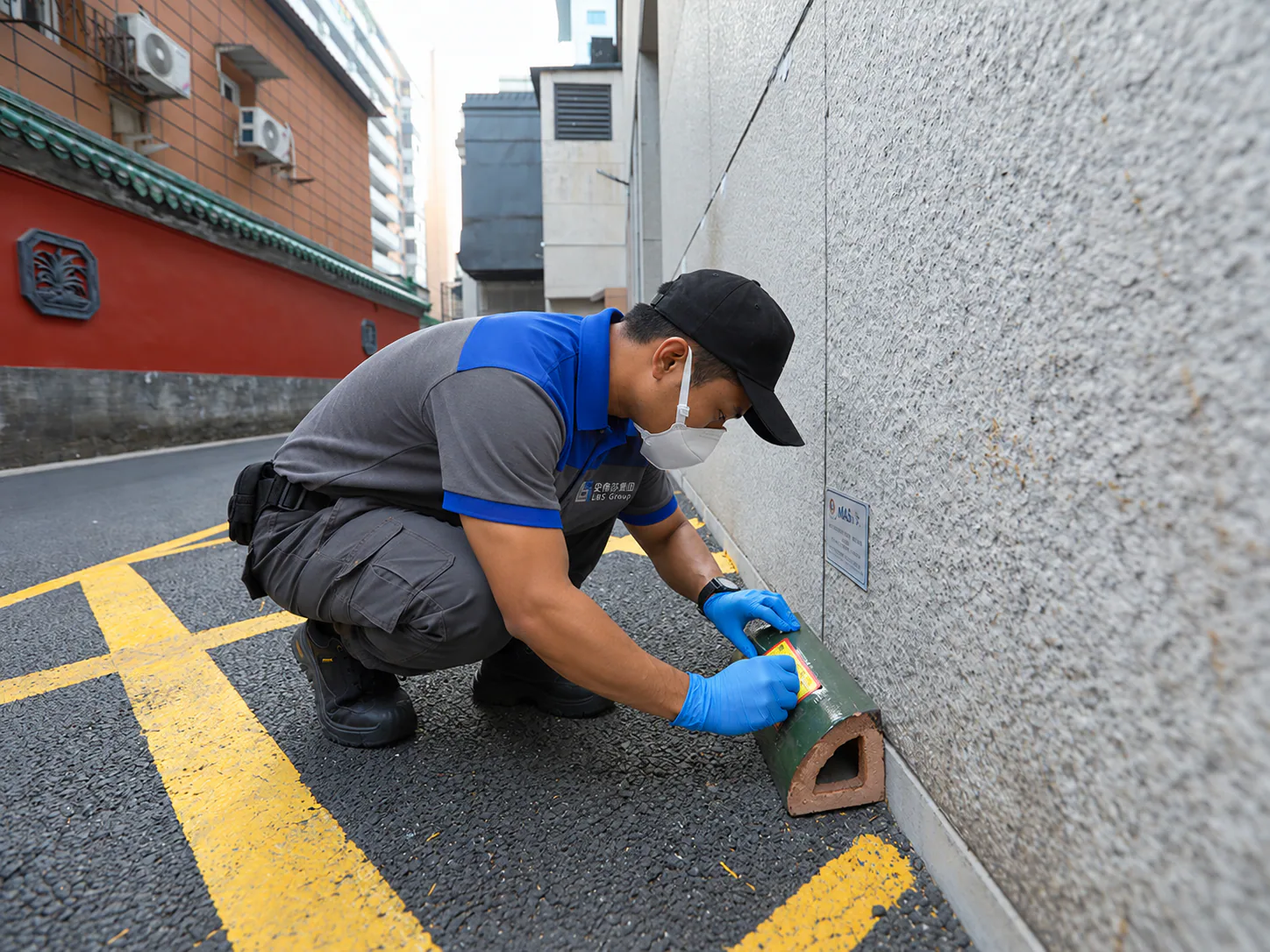
Secure bait stations are strategically positioned around identified rodent activity zones, travel routes and suitable perimeter locations to support targeted rodent control.
Glue traps may be placed in controlled locations where appropriate to capture rodents and help confirm activity along selected internal routes and harbourage areas.
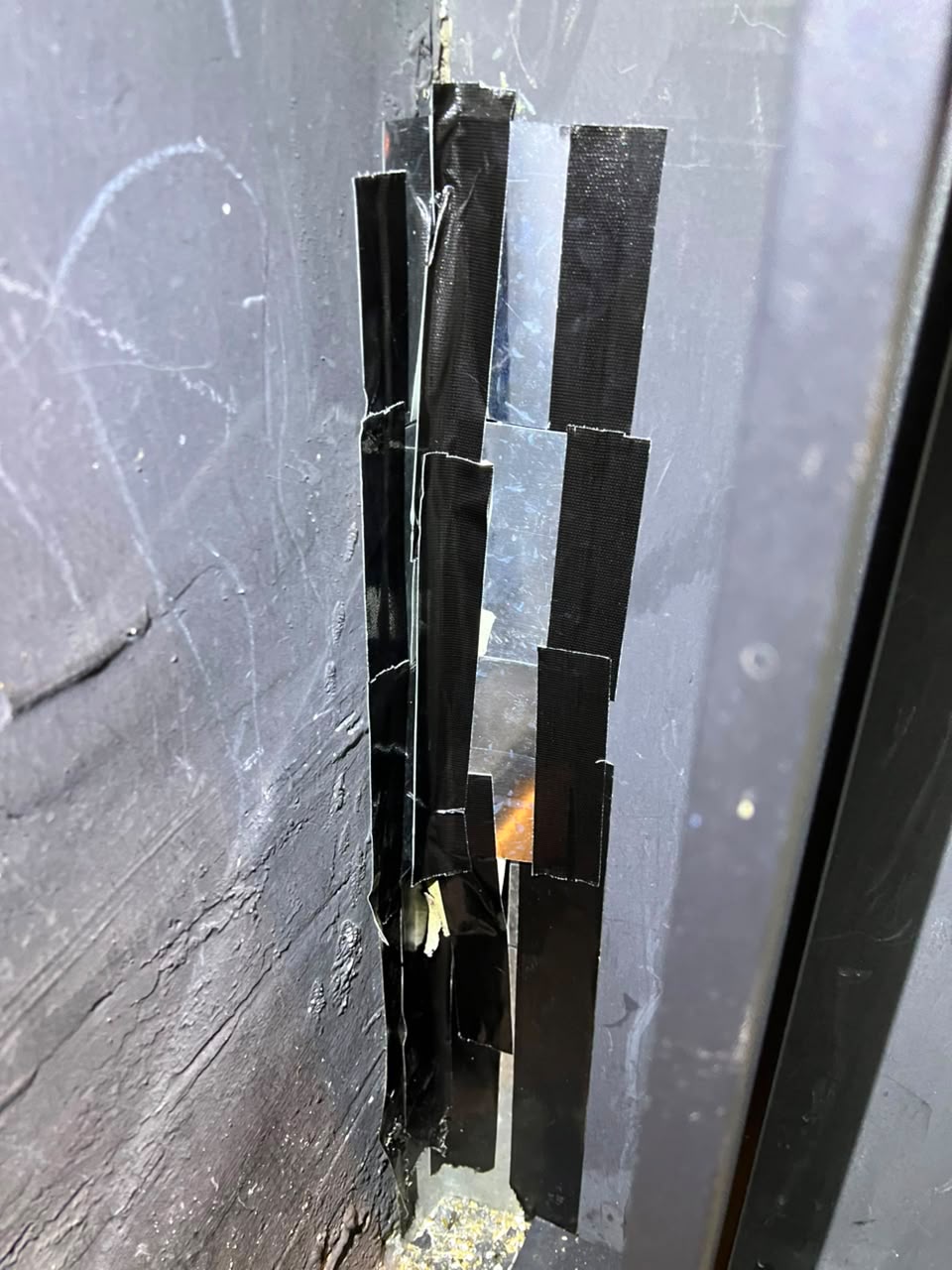
Potential rodent entry points are identified and sealed where practical to help prevent rats and mice from re-entering the premises through structural gaps and openings.
A structured service journey that keeps every treatment, observation and follow-up action clear.
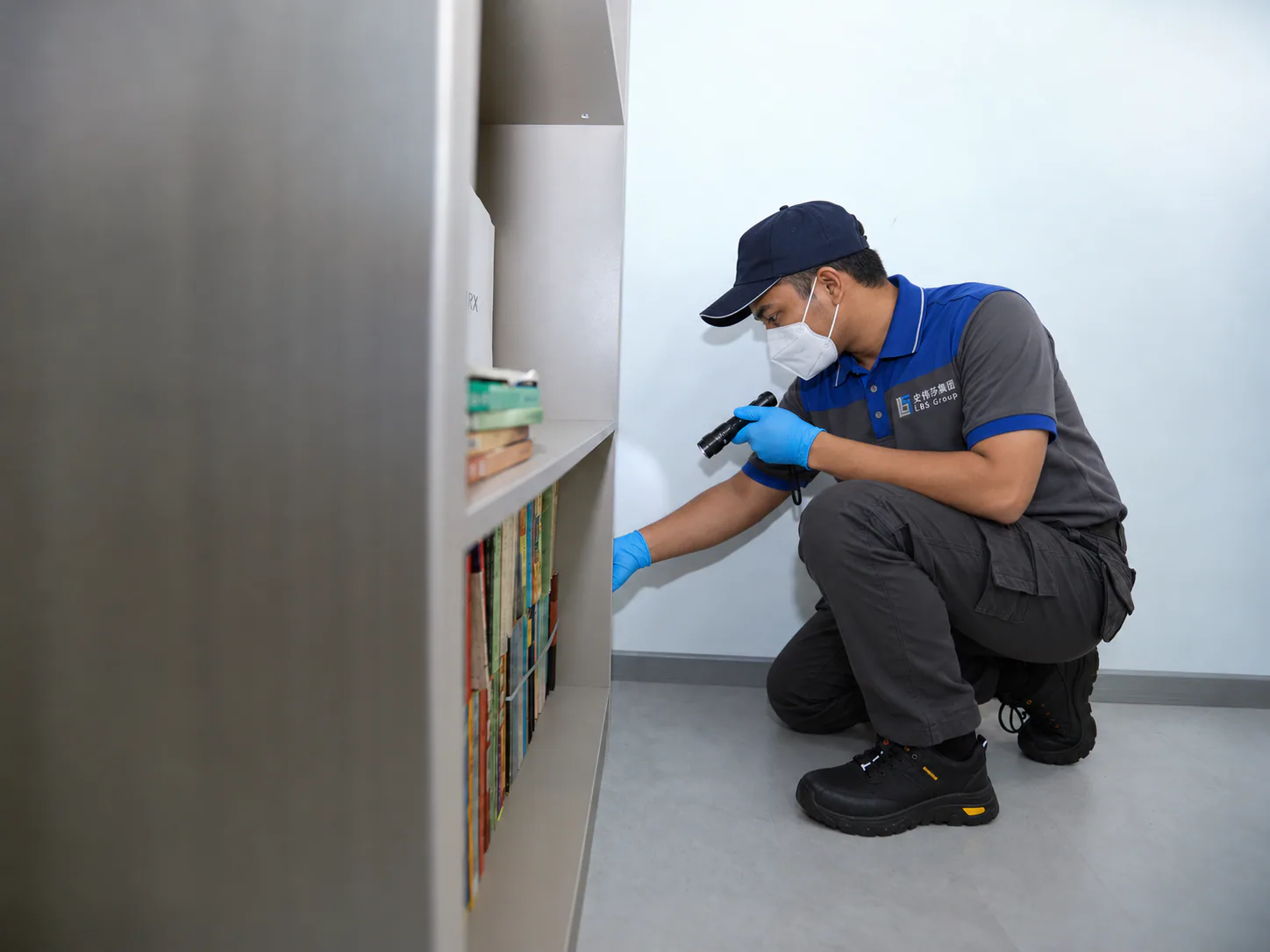
Technicians inspect droppings, gnaw marks, nesting areas, food sources, structural gaps and likely rodent travel routes to identify activity and potential entry points.
The rodent activity level, affected areas, entry points and site conditions are assessed before selecting the appropriate combination of monitoring, trapping, baiting and proofing measures.
Connected sensors, smart traps and frequency-based deterrent devices are positioned in selected areas to detect activity, provide trap alerts and monitor rodent movement. Activity trends are reviewed over time to identify recurring hotspots and guide corrective action.
Rodent bait stations and glue traps are strategically positioned where appropriate along identified travel routes, harbourage areas and other activity zones to provide targeted control.
Identified gaps and openings are sealed where practical to reduce rodent re-entry, while follow-up inspections review remaining activity and determine whether further corrective action is required.
Stay informed with digital service reports that provide a clear record of completed work, observations and recommended follow-up actions. Our reporting helps businesses maintain organised pest management and hygiene records across their premises.
Keep pest control and hygiene service records, findings and follow-up actions together in one place.
View completed service activities, treatment areas and work carried out during each visit.
Record pest activity, hygiene findings and other conditions identified during the service inspection.
Recommended actions are clearly documented so issues can be addressed and responsibilities followed up.
Maintain an organised record of previous visits, observations and actions for easier tracking and future reference.
Professional pest management and hygiene solutions backed by decades of experience, broad service coverage and a team focused on consistent service and long-term customer support.
Serving residential and commercial customers since 1998.
Supporting customers across multiple regions with coordinated service coverage.
Businesses and households supported through professional pest management and hygiene solutions.
Common signs include droppings, gnaw marks, scratching noises, damaged packaging, nesting material and grease marks along frequently travelled routes. Rats and mice are often most active when premises are quiet, so these signs may appear before rodents are regularly seen.
Rodent activity can return when food, water, shelter or entry points remain available. Effective rodent management combines trapping or baiting with monitoring and entry-point sealing to help identify recurring activity and reduce opportunities for rodents to return.
IoT rodent management combines connected sensors, smart traps and activity monitoring to detect rodent movement and provide alerts when trap events occur. Frequency-based deterrent devices may also be used as a supplementary measure in selected areas. Activity data is reviewed over time to identify hotspots, track trends and guide corrective action.
Yes. During inspection, potential rodent entry points such as gaps, openings and service penetrations can be identified and sealed where practical. Proofing works alongside monitoring, baiting and trapping to reduce opportunities for rodents to re-enter the premises.
Rodent control cost depends on factors such as property size, infestation level, number of activity areas, entry points, required bait stations or traps, IoT monitoring requirements and whether ongoing service is needed. A site survey helps determine the appropriate rodent management programme before quotation.
Tell us what your premises need and our team will recommend the appropriate pest management or hygiene solution.