
Dengue Prevention for Commercial Premises: Managing Mosquito Breeding Grounds During the Monsoon Season
2 November 2026
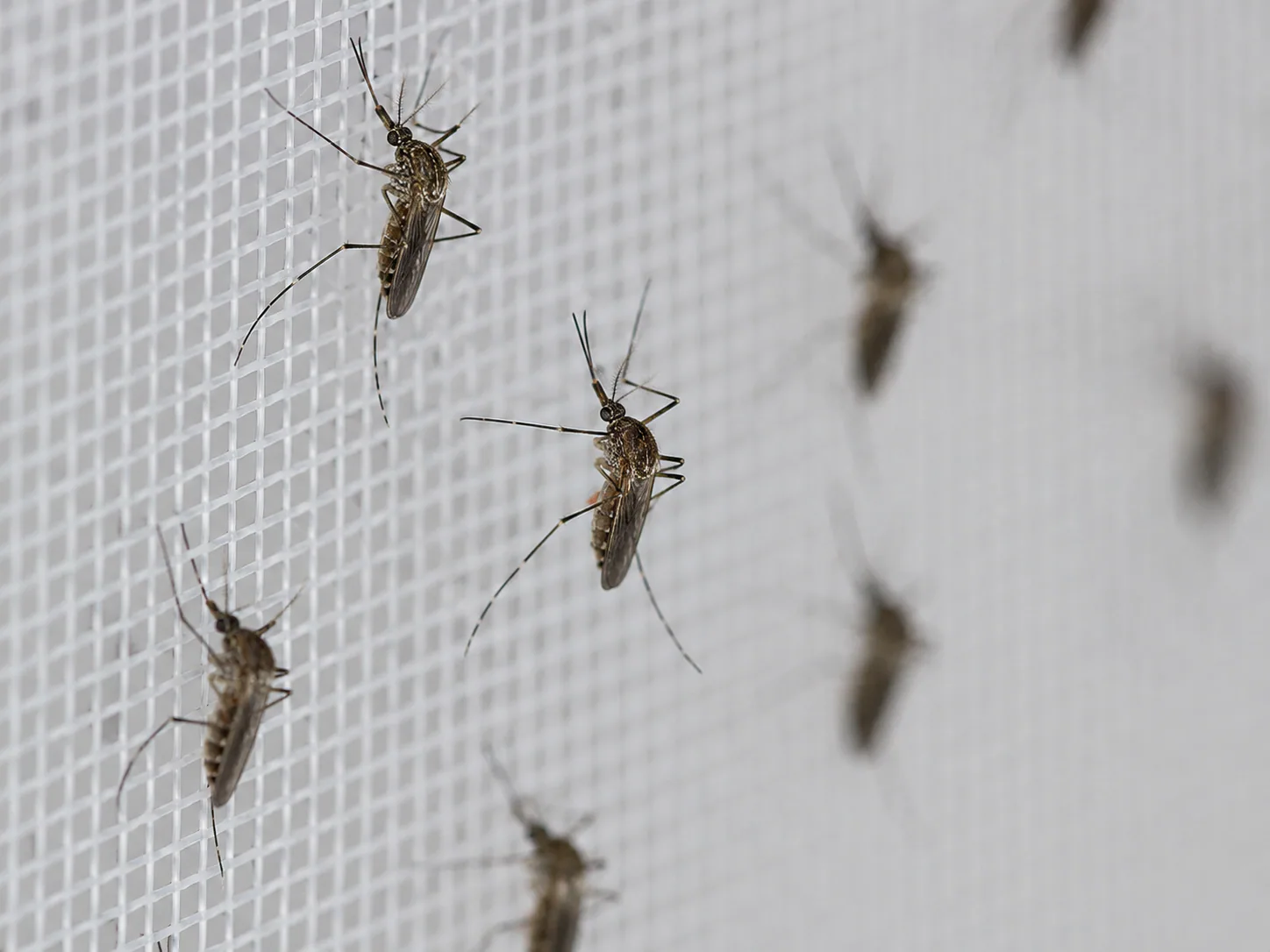
Commercial premises can effectively prevent dengue during Malaysia’s monsoon season by eliminating standing water within 48 hours, conducting routine perimeter audits, and deploying targeted larviciding alongside scheduled adult mosquito treatments. Because Aedes mosquitoes breed in clean, stagnant water collected in spaces as small as a bottle cap, managing hidden water-pooling zones across industrial yards, roof gutters, and drainage systems is essential to protect workforce health and prevent disruptive operational shutdowns.
Malaysia experiences recurring monsoon surges that bring prolonged rainfall and localized flooding. While the seasonal rain is predictable, the resulting spike in mosquito populations often catches facility managers off guard. Industrial compounds, logistics hubs, and commercial complexes cover vast surface areas where rainwater easily accumulates undetected. Taking a structured, proactive approach to mosquito vector management during these rainy months is critical for regulatory compliance, employee safety, and continuous business operations.
The Monsoon Mosquito Threat in Commercial and Industrial Facilities
The onset of the monsoon significantly accelerates the breeding cycle of Aedes aegypti and Aedes albopictus mosquitoes, the primary vectors of the dengue virus. Under warm and humid tropical conditions, the transition from an egg to an adult mosquito can take as little as seven to ten days. Crucially, female Aedes mosquitoes lay their eggs on the damp inner walls of containers just above the water line. These eggs can withstand desiccation for months, remaining viable until monsoon rains submerge them, triggering rapid hatching.
Unlike nuisance mosquitoes that breed in foul, heavily polluted ponds, Aedes mosquitoes prefer relatively clean, undisturbed water. Commercial premises frequently present an abundance of such micro-habitats. A blocked roof downpipe, an uneven concrete apron, or water trapped inside an outdoor machinery cover provides an ideal nursery.
For industrial and commercial operators, the implications of a site-based dengue cluster are severe:
- Workforce Disruption: Dengue fever causes high fever, severe joint and muscle pain, and prolonged fatigue, often resulting in two or more weeks of medical leave per affected worker. Multiple infections within a department can severely cripple production schedules.
- Regulatory Scrutiny: Health authorities conduct regular and surprise inspections of commercial premises during active dengue periods. Finding active breeding sites on your premises can lead to substantial compound fines or temporary stop-work orders until vector eradication is certified.
- Reputational Damage: Outbreaks linked to commercial facilities, particularly in food manufacturing or hospitality, compromise brand standing among clients, partners, and the surrounding community.
High-Risk Water-Pooling Hotspots Across Facility Grounds
To manage mosquito risks effectively, facility maintenance teams must look beyond general compound cleanliness and examine structural and logistical areas prone to water retention.
Industrial Yards and Storage Compounds
Outdoor storage areas in warehousing and logistics hubs or manufacturing plants are primary danger zones. Stored raw materials, shipping wooden pallets stacked outdoors, unused IBC tanks, discarded vehicle tyres, and folded heavy-duty tarpaulins collect rainwater in folds and crevices. Even slight indentations on top of oil drums or plastic wrap around pallets can hold sufficient water for mosquito larvae to develop.
Roofs, Box Gutters, and Downpipes
High-volume monsoon downpours quickly overwhelm commercial gutter systems, particularly when gutters are partially obstructed by windblown leaves, dirt, and industrial debris. When water ponds in horizontal box gutters or cannot clear through blocked downpipes, it creates elevated breeding sites that ground-level maintenance inspections completely miss.
Perimeter Drains and Sump Pits
While fast-flowing water prevents mosquito breeding, perimeter monsoon drains often suffer from structural defects such as sunken culverts, cracked bases, or poor slope gradients. During the rainy season, debris accumulation creates small natural dams within drainage channels. The residual standing water trapped behind these blockages becomes an immediate breeding hotspot within days of a storm.
HVAC Systems and Mechanical Rooms
Cooling towers, air-handling unit (AHU) condensate trays, and equipment bases located on rooftops or service mezzanines discharge water continuously. If drain trays are unlevel or discharge pipes are disconnected, persistent pooling creates sheltered, perennial breeding sites shielded from direct wind and predatory insects.
Monsoon-Ready Inspection Checklist for Facility Teams
A systematic inspection protocol ensures potential breeding sites are identified and cleared before mosquito larvae reach adulthood. Facility managers should task maintenance teams with completing the following routine checks throughout the rainy months.
| Area to Inspect | Vulnerability to Check | Corrective Action Frequency |
|---|---|---|
| Roof Gutters & Downpipes | Accumulated silt, leaf litter, and sagging gutter troughs causing standing water. | Fortnightly inspection; clear obstructions immediately after heavy storms. |
| Monsoon Drains & Grates | Trapped rubbish, broken concrete baffles, and slow-moving stagnant water. | Weekly cleaning; restore smooth water flow and clear debris dams. |
| Outdoor Pallets & Tarpaulins | Water pooling in plastic wrapping folds, pallet hollows, and sagging canvas sheets. | Twice weekly; shake out tarpaulins, invert hollow items, or store pallets under shelter. |
| Machinery & Equipment Yards | Recesses in idle plant equipment, generator bases, and open pipe ends. | Weekly audit; cap open pipes and drill drainage holes in non-critical catch basins. |
| Drainage Sump Pits & Gullies | Submerged pump pits that retain stagnant water between pumping cycles. | Weekly application of appropriate larvicide to standing water reservoirs. |
| Canteen & Refuse Storage Areas | Uncapped bin centres, discarded drink containers, and grease trap overflow sumps. | Daily clearance; keep all rubbish bins tightly covered and waste cleared. |
Larviciding Versus Fogging: Establishing an Integrated Protocol
Many facility operators rely almost entirely on outdoor thermal fogging when mosquitoes are noticed on-site. However, thermal fogging is an adulticide measure—it only eliminates flying mosquitoes present at the exact moment of dispersion. Fogging does not penetrate hidden water reservoirs where hundreds of mosquito larvae and pupae remain unharmed. An integrated approach combines source reduction, larviciding, and targeted adult control.
Source Reduction (Environmental Control)
Source reduction is the most sustainable defence. By systematically designing out or clearing standing water, the facility denies mosquitoes the physical medium required to complete their life cycle. This includes leveling uneven yard surfaces, maintaining correct drainage gradients, and storing all operational materials under rainproof canopies.
Targeted Larviciding (Preventing Emergence)
Where standing water cannot be physically eliminated—such as in perimeter sump pits, fire-fighting water storage, or subterranean lift pits—larviciding is necessary. Larvicides break the mosquito life cycle before the insects develop into biting, virus-transmitting adults. Applying larvicides directly into known water bodies provides weeks of persistent control, significantly lowering overall mosquito pressure even during continuous rain.
Strategic Adulticiding (Misting and Fogging)
Thermal fogging and Ultra-Low Volume (ULV) cold misting should be reserved for managing active adult mosquito surges or responding rapidly when a dengue case is reported nearby. To be effective, adulticiding must be timed to coincide with peak Aedes activity periods, which typically occur during the early morning and late afternoon hours. Applying fog during midday heat is largely ineffective, as thermal currents disperse the droplets upward away from ground-level resting vegetation.
Sector-Specific Mosquito Management Considerations
Different commercial facilities encounter distinct vector risks depending on their layouts, operational traffic, and human occupancy levels.
Factories and Industrial Kitchens
In factories and central kitchens, hygiene compliance is critical. Chemical adulticiding must be carefully coordinated to avoid introducing airborne residues into food processing zones or sensitive electronics assembly lines. Mosquito prevention here focuses heavily on exterior perimeter defence, air curtains at loading docks to exclude flying insects, and meticulous drain maintenance.
Warehouses and Logistics Hubs
Due to extensive footprint areas, logistics sites struggle with high truck traffic that can displace outdoor drains, compress unpaved yard areas into water-collecting ruts, and move wet pallets across vast complexes. Establishing a designated internal sweep team to inspect outdoor loading aprons after every major rainfall event prevents minor puddles from becoming chronic hazards.
Commercial Offices and Corporate Parks
Corporate premises typically feature decorative landscaping, water features, basement car park sumps, and perimeter planting. Sub-surface drains buried beneath decorative gravel beds frequently conceal standing water. Maintenance teams must ensure decorative ponds are properly aerated or treated, and that subterranean drainage networks receive regular larvicide applications.
Implementing a Professional Vector Control Strategy
Internal facilities teams play an invaluable role in daily site hygiene, but managing complex industrial mosquito vectors requires technical expertise and specialized equipment. Professional pest management provides systematic surveillance, precise chemical application, and comprehensive documentation required by regulatory bodies.
When choosing a service partner, look for integrated solutions that combine:
- Detailed Site Risk Assessments: Identifying both obvious and structural breeding risks unique to your property layout.
- Targeted Environmental and Chemical Controls: Deploying approved larvicides in stagnant water reservoirs alongside correctly timed outdoor misting or fogging programmes.
- Digital Reporting and Trend Monitoring: Modern pest management relies on transparency. With digital service reports, facility managers receive prompt records of areas inspected, chemical treatments administered, and unresolved structural risks that require internal engineering repair.
LBS Group has delivered professional pest management since 1998, expanding from Hong Kong across more than 30 cities in Asia. In Malaysia, the integration of Perfection Pest Management enhanced LBS Group’s capacity to deliver structured, high-standard mosquito control and hygiene solutions to factories, logistics hubs, corporate campuses, and hospitality venues.
Safeguard Your Facility This Monsoon Season
Do not wait for a dengue cluster to disrupt your operations or jeopardize your staff. Proactive site audits, routine drain management, and integrated mosquito vector control protocols provide the only reliable protection against seasonal outbreaks.
LBS Group operates across Malaysia with branch offices in Kuala Lumpur, Penang, Ipoh (Perak), Melaka, Johor, and Pahang. Contact our technical team today to arrange a comprehensive perimeter assessment and customized vector control programme for your site.
Get in touch with our team via our contact page or message us directly on WhatsApp at 0122950573 to schedule an on-site facility inspection.