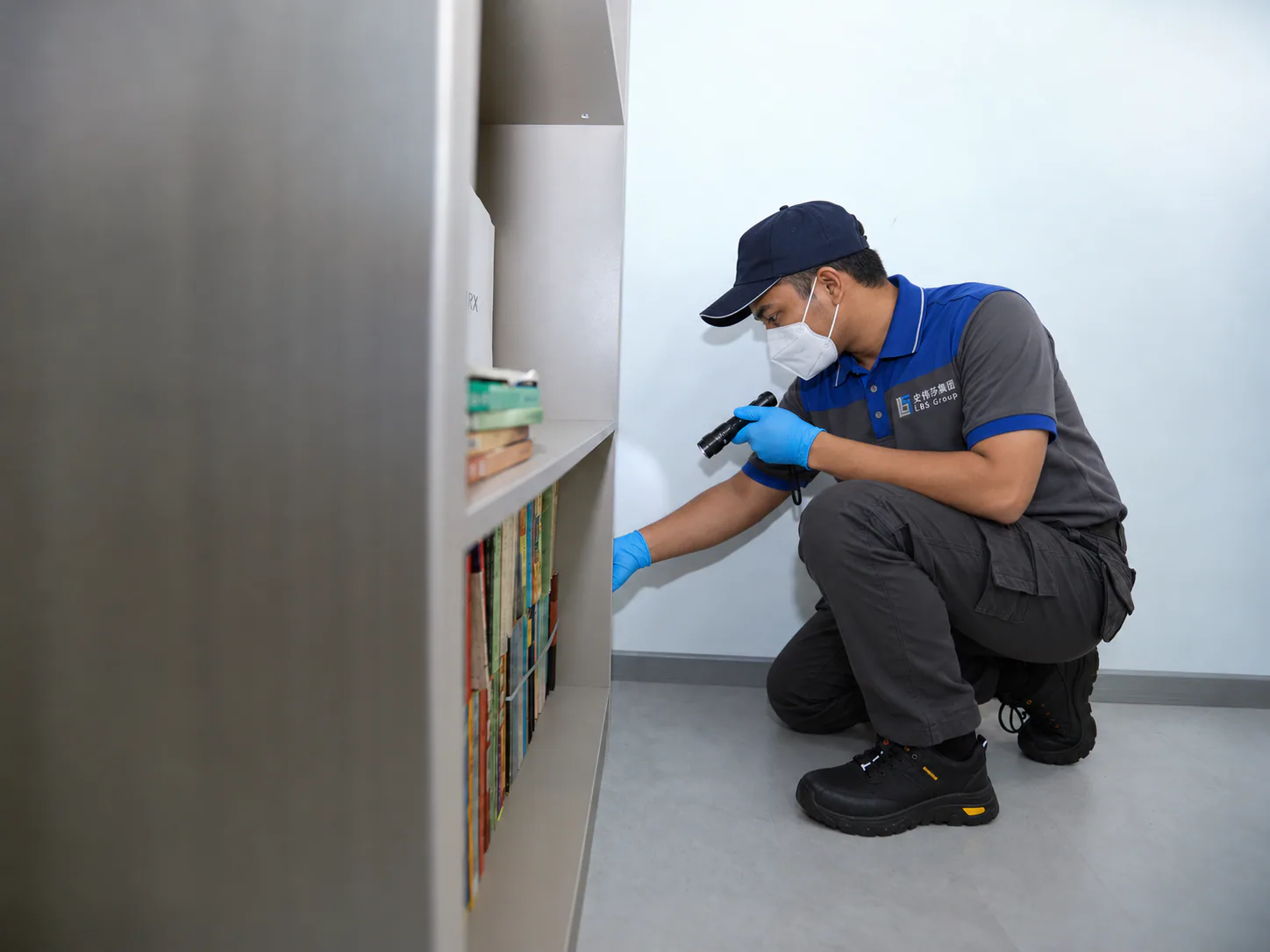
Integrated Pest Management for Food Processing Plants in Malaysia
5 November 2026

Integrated Pest Management (IPM) in a food processing plant combines monitoring, prevention, and control methods to keep pest activity below economic thresholds while protecting product safety and complying with Malaysian regulations. It is a systematic, data‑driven approach that reduces reliance on chemicals and integrates hygiene, structural, and biological tactics.
What is Integrated Pest Management in food processing?
Integrated Pest Management (IPM) is a coordinated strategy that uses regular monitoring, accurate identification, and a hierarchy of control actions to manage pests in food processing environments. The goal is to prevent infestations before they affect production, maintain compliance with the Food Act 1983 and Food Regulations 1985, and protect consumer health.
- Monitoring – Routine visual inspections and trap data collection.
- Identification – Confirm species to apply the most effective control.
- Thresholds – Set action levels based on regulatory limits and product risk.
- Control tactics – Prioritise preventive measures, then mechanical, biological, and finally chemical options.
- Documentation – Record every activity in a digital service report for traceability.
Which pests pose the greatest risk to Malaysian food processing plants?
The most common pests that threaten food safety in Malaysian processing facilities are rodents, flies, cockroaches, stored‑product insects and beetles. Each can contaminate raw material, finished goods, or processing lines, leading to product recalls and fines under the Ministry of Health’s food safety standards.
| Pest | Typical entry points | Potential contamination | Control focus |
|---|---|---|---|
| Rodents | Gaps around doors, utility shafts, loading docks | Droppings, urine, gnaw marks | Structural sealing, IoT rodent monitoring, bait stations |
| Flies | Open waste bins, unscreened vents | Mechanical transmission of bacteria | Exclusion screens, UV traps, regular waste removal |
| Cockroaches | Cracks, pipe penetrations, damp areas | Pathogen carriers on legs and bodies | Moisture control, sticky traps, targeted gel baits |
| Stored‑product insects (e.g., grain beetles) | Bulk storage silos, dry ingredient bins | Direct infestation of food stocks | Sanitary grain handling, temperature control, pheromone traps |
| Beetles (e.g., flour beetles) | Flour mills, mixing rooms | Contamination of powders | Regular cleaning, sealed containers |
Core components of an IPM programme for food processing facilities
A robust IPM programme follows a clear, repeatable cycle. Facility managers can implement the steps below to achieve consistent pest‑free operations.
Step 1 – Facility audit
- Conduct a baseline inspection using LBS Group’s digital service report template.
- Map all potential harborage sites, entry points and high‑risk zones (e.g., dry storage, waste areas).
- Verify compliance with the Malaysian Food Act and the Good Manufacturing Practice (GMP) guidelines available on the Ministry of Health Malaysia website.
Step 2 – Monitoring plan
- Install species‑specific traps (e.g., infrared rodent sensors, sticky fly traps) at identified hotspots.
- Use LBS Group’s IoT Rodent Management Series for real‑time alerts and activity reports.
- Record trap counts weekly in the digital service report.
Step 3 – Threshold setting
- Define action thresholds based on regulatory limits (e.g., <1 rodent sighting per 100 m² per month) and product risk assessments.
- Adjust thresholds seasonally, recognising Malaysia’s monsoon‑driven pest surges.
Step 4 – Preventive actions
- Seal gaps ≤2 mm, install door sweeps, and maintain positive air pressure in clean zones.
- Implement strict waste management: sealed containers, daily removal, and routine cleaning of loading docks.
- Apply Kitchen Hygiene protocols, including sanitising surfaces and equipment after each shift.
Step 5 – Mechanical/biological control
- Deploy mechanical traps (e.g., snap traps, UV light traps) before resorting to chemicals.
- Use biological agents such as Bacillus thuringiensis for stored‑product insects where permitted.
Step 6 – Chemical intervention (last resort)
- Select EPA‑registered pesticides approved for food‑contact areas.
- Apply only by trained personnel, record dosage, and schedule re‑inspection after 48 hours.
Step 7 – Review and continuous improvement
- Analyse monthly digital service reports for trend patterns.
- Conduct quarterly reviews with the pest‑management team to refine thresholds and preventive measures.
How technology enhances IPM: IoT rodent monitoring and digital reporting
LBS Group’s IoT Rodent Management Series combines smart infrared sensors, automated traps, and frequency‑based repellent devices to deliver real‑time data on rodent activity. When a sensor detects movement, a notification is sent to the facility’s manager and the LBS service team, enabling rapid response before an infestation spreads.
- Real‑time alerts – Immediate SMS/WhatsApp messages via the LBS platform.
- Digital activity logs – All detections are stored in a cloud‑based dashboard, supporting audit trails required by the Food Act.
- Frequency‑based repellents – Emit ultrasonic waves to deter rodents without chemicals.
- Integrated service reports – Every visit, trap check, and corrective action is recorded in a digital service report, ensuring traceability for HACCP and ISO 22000 audits.
By coupling IoT data with routine visual inspections, facilities can shift from reactive pest control to proactive management, reducing pesticide use.
Maintaining compliance with Malaysian food safety regulations
Malaysian food processing plants must adhere to the Food Act 1983, Food Regulations 1985, and the Food Hygiene Regulations 2009, all enforced by the Ministry of Health (MOH). Key compliance points include:
- Pest‑control records – Must be retained for at least two years and be available for MOH inspection.
- Sanitary design – Buildings must be constructed to minimise pest harborage (e.g., smooth walls, sealed ceilings).
- HACCP documentation – Pest monitoring is a critical control point in most HACCP plans.
- Training – Staff handling food must receive regular training on pest‑prevention practices.
Facility managers should also consult the WHO Food Safety Manual for international best practices.
Why choose LBS Group as your IPM partner?
Since 1998, LBS Group has evolved from a specialist pest‑management firm in Hong Kong into an integrated solutions provider across Asia, with a strong presence in Malaysia following the acquisition of Perfection Pest Management. The group’s portfolio now includes pest control, hygiene solutions, air purification and ambient scenting, all delivered by a single trusted partner.
- One‑stop service – Combine rodent monitoring, fly control, and kitchen hygiene under one contract.
- Digital transparency – Every service visit is logged in a digital report, giving you real‑time visibility.
- Local expertise – Branches in Kuala Lumpur, Penang, Ipoh, Melaka, Johor and Pahang ensure rapid response times.
- Proven track record – LBS has supported major events such as the Beijing Olympic Games and Shanghai World Expo, demonstrating capability at scale.
For food processors, this means fewer vendor contracts, consistent documentation, and a partner that understands both the technical and regulatory landscape of Malaysian food safety.
Ready to strengthen your plant’s pest‑free assurance?
Contact LBS Group today for a free, no‑obligation inspection. Call us on WhatsApp 0122950573, email admin@lbsgroup.com.my, or use our online form to request a visit. Let our experts design an IPM programme that protects your product, your brand, and your bottom line.