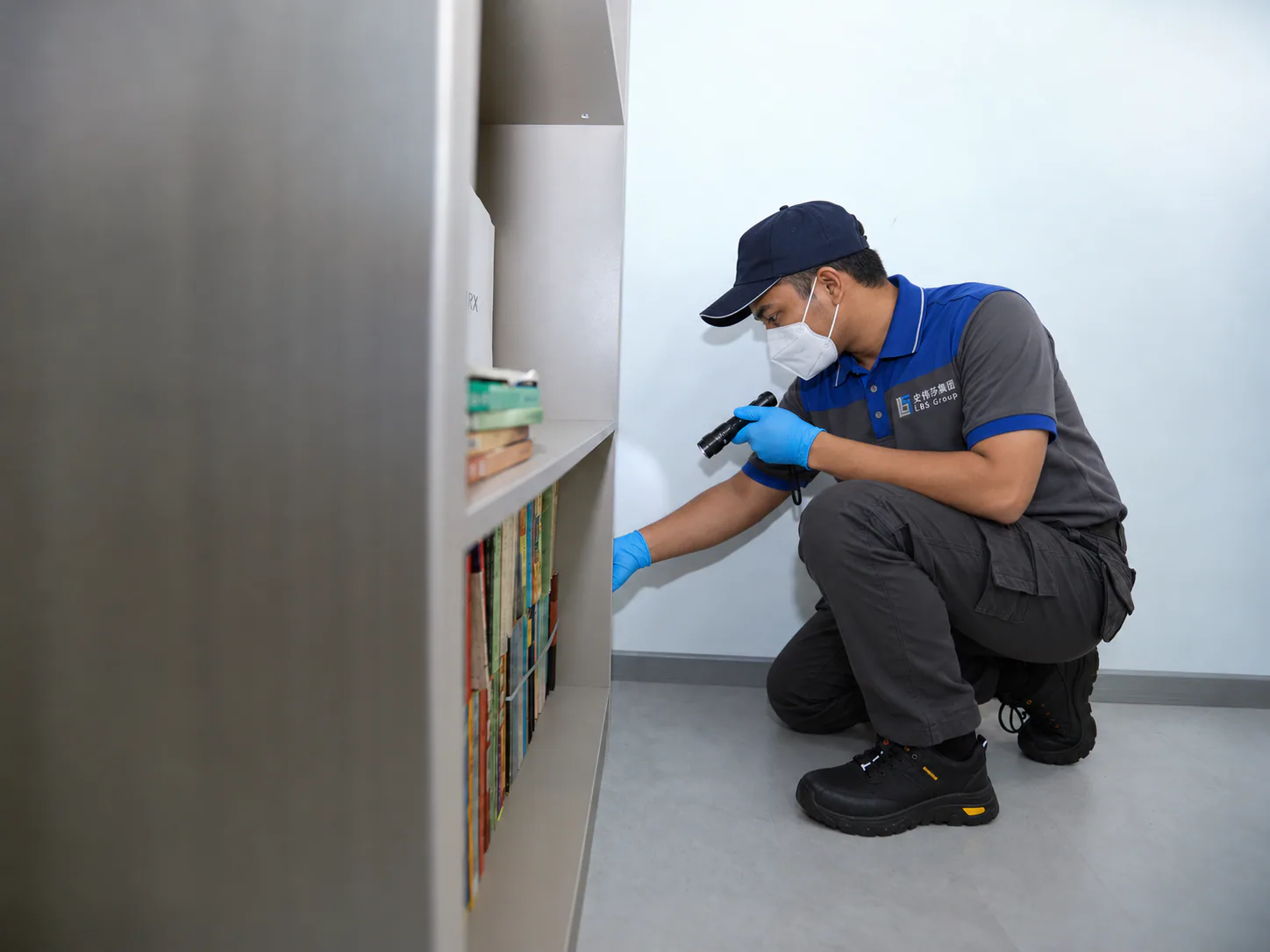
Smart IoT Rodent Control in Malaysia: How Connected Monitoring Works
5 November 2026
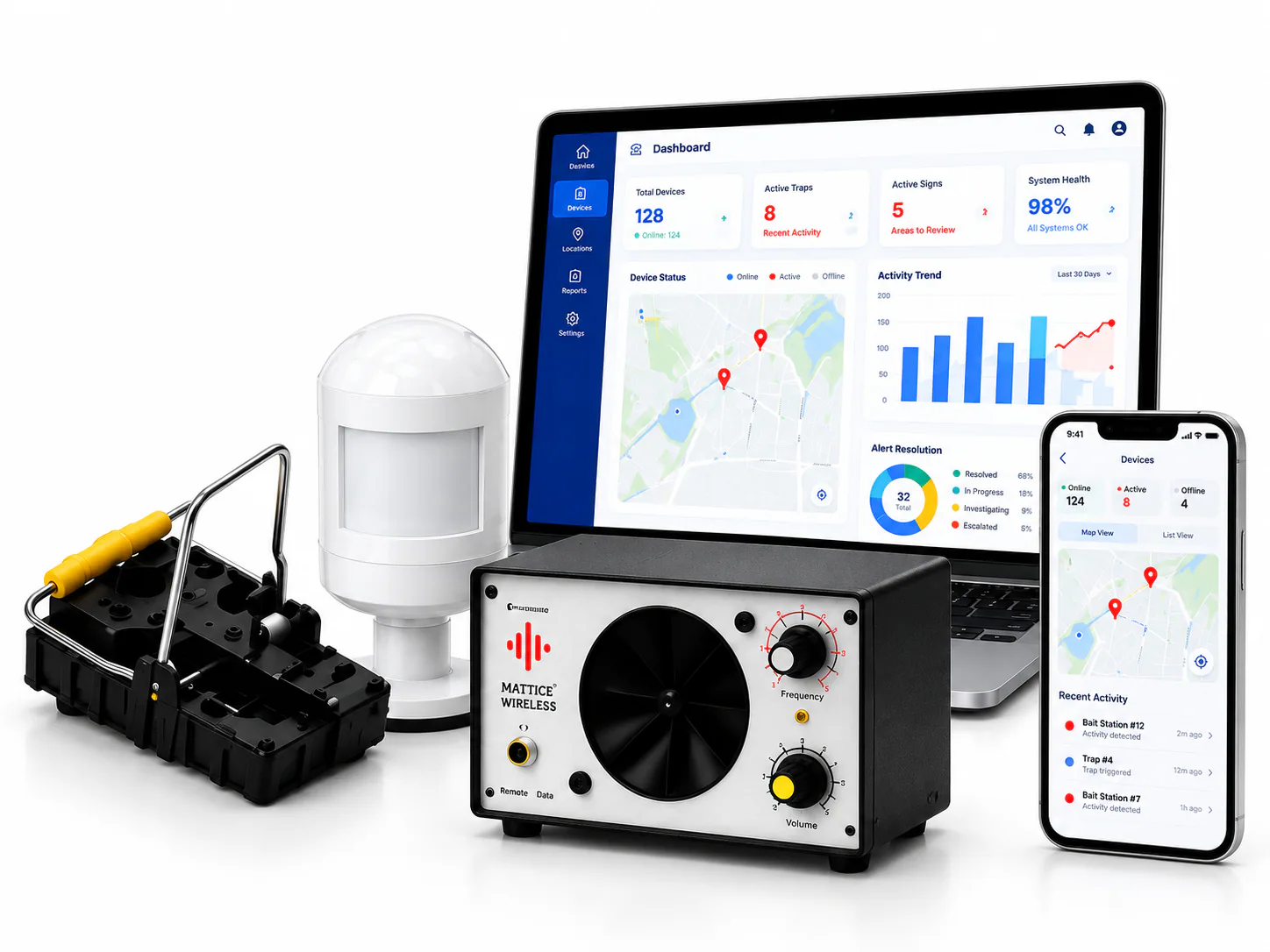
IoT rodent control uses connected sensors, smart traps and digital reporting to detect rodent activity continuously, not only when a technician is on site. For Malaysian factories, food businesses and hotels, it turns occasional sightings into clear activity records, so treatment, proofing and hygiene work can be targeted where rodents are actually moving.
What Is IoT Rodent Control?
IoT rodent control is professional rodent management supported by internet-connected devices. Activity sensors and smart traps report what happens between service visits, and the data is reviewed over time to identify hotspots and trends. It does not replace inspection, baiting or proofing; it shows where those measures are needed most.
LBS Group’s IoT Rodent Management Series combines four elements:
- Smart infrared sensors for continuous activity tracking
- Smart rodent traps that send real-time notifications when activity or a capture is detected
- Frequency-based repellent devices as a supplementary measure in selected areas
- Activity trends and digital reporting so decisions are based on data
How Connected Rodent Monitoring Works
The system follows a simple cycle:
- Detect: Sensors placed along likely routes record rodent movement around the clock.
- Alert: Smart traps notify the service team when they are triggered, so captures and activity are not left unnoticed until the next visit.
- Review: Activity data is compared over days and weeks to reveal recurring hotspots and quiet areas.
- Act: Bait stations, traps, exclusion work and hygiene improvements are adjusted to the areas the data points to, and the next readings show whether activity is falling.
IoT Monitoring vs Traditional Inspection-Only Control
| Inspection-only control | IoT-supported control | |
|---|---|---|
| When activity is seen | Mainly during scheduled visits | Continuously, between visits |
| Trap checks | Manual, at each visit | Alerts when a smart trap is triggered |
| Finding hotspots | Based on signs found on the day | Based on activity trends over time |
| Records | Visit notes and service reports | Digital activity data plus service reports |
| Best suited to | Lower-risk sites with occasional activity | High-risk or large sites that need close monitoring |
Where IoT Rodent Monitoring Helps Most
Continuous monitoring is most valuable where rodent activity is costly and difficult to watch around the clock:
- Factories and central kitchens, where production areas and stored ingredients must stay protected
- Food and beverage outlets, where kitchens, stores and waste areas are busy after closing
- Hotels and hospitality, where back-of-house areas need discreet control
- Warehouses and logistics facilities, where large storage areas are hard to inspect fully
- Offices and corporate buildings with pantries, ceilings and service risers
Monitoring Still Needs Proofing and Hygiene
Connected devices show where rodents are, but lasting control still depends on the basics. The US Environmental Protection Agency’s guide to identifying and preventing rodent infestations lists droppings and chewed holes as key signs and recommends sealing holes inside and outside buildings to keep rodents out.
That is why an IoT programme works alongside:
- Removing food and water sources and improving waste management
- Sealing entry points such as gaps, pipe penetrations and door edges
- Bait stations and trapping placed according to the activity data
- Regular review of the digital reports with the site team
To spot the signs yourself, see our guide to the signs of rats and mice.
How LBS Group Sets Up an IoT Rodent Programme
- Detailed site survey: The team inspects activity, entry points, food sources and the areas that matter most to the business.
- Treatment plan: Device placement is planned together with baiting, trapping and proofing.
- Installation and monitoring: Sensors and smart traps are installed and begin recording activity.
- Reporting and follow-up: Activity trends and digital service reports are reviewed, and the plan is adjusted until activity is under control.
LBS Group has provided professional pest management since 1998 and supports homes and businesses through branches across Malaysia. Learn more about our rodent control service.
Need Smarter Rodent Control?
If rodents keep returning or you need clearer records for audits, request a free inspection and our team will assess whether IoT rodent monitoring suits your premises.