Drain Flies vs Fruit Flies: How to Identify and Eliminate Them in Commercial Kitchens
8 November 2026
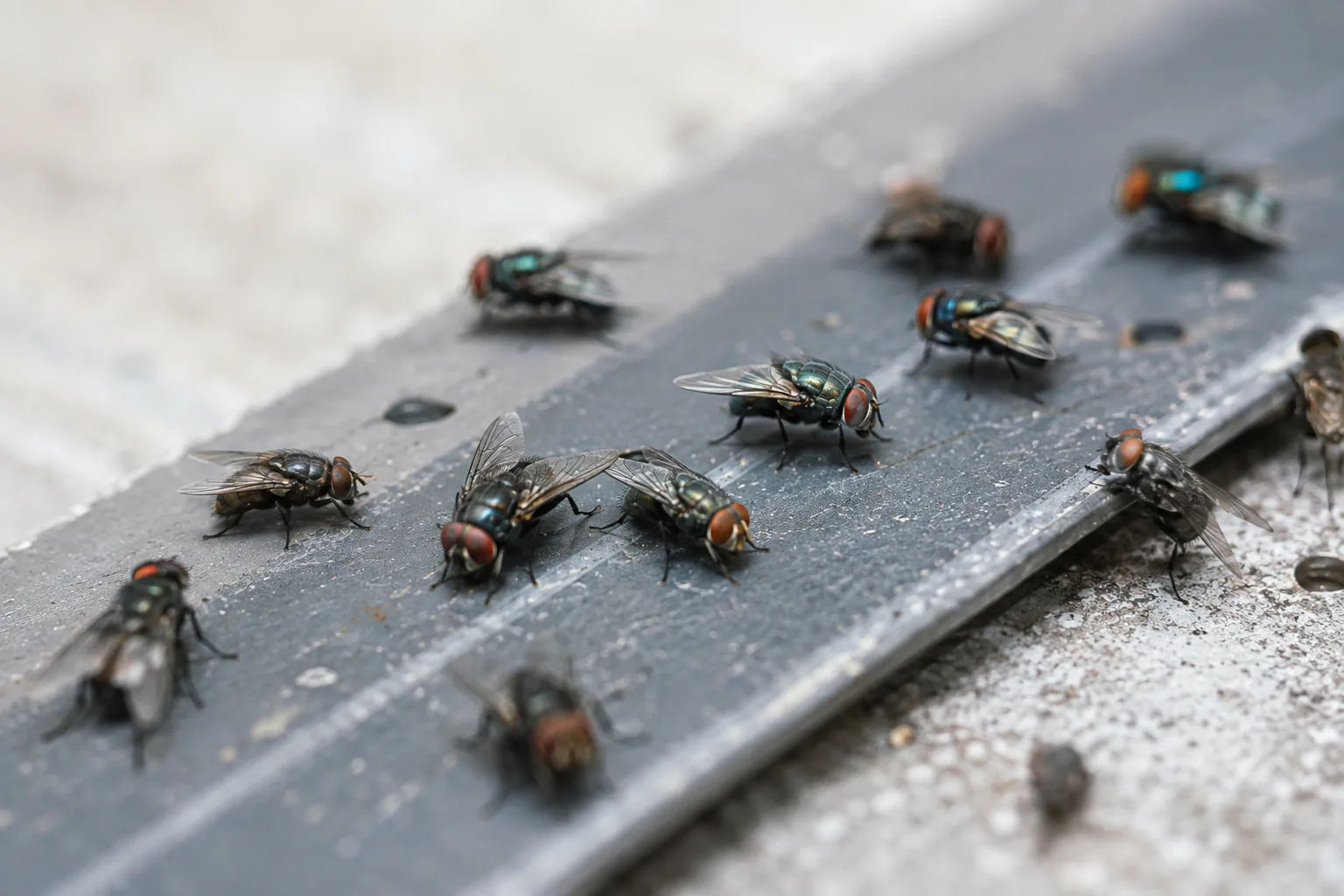
To distinguish drain flies from fruit flies in a commercial kitchen, examine their appearance and breeding sites. Drain flies resemble tiny, moth-like insects with fuzzy wings that breed inside gelatinous organic slime lining floor drains. Fruit flies have smooth, tan bodies, prominent eyes, and breed around fermenting food, overripe produce, and beverage dispensing stations.
Key Differences Between Drain Flies and Fruit Flies
Drain flies (Psychodidae) and fruit flies (Drosophila melanogaster) look distinctly different in both anatomy and flight behaviour. Drain flies are dark grey or black, measure 2 to 5 mm, have rounded hairy wings, and hop or fly weakly. Fruit flies are tan or yellowish, measure 3 to 4 mm, possess clear wings, and hover actively near food.
Misidentifying these pests leads to ineffective control measures. Pouring bleach down a drain will not eradicate fruit flies feeding on discarded fruit peelings behind a preparation table. Similarly, installing vinegar traps will fail to resolve a severe drain fly infestation originating inside a grease trap or floor waste trap. The table below outlines their primary differences:
| Feature | Drain Fly (Psychodidae) | Fruit Fly (Drosophila melanogaster) |
|---|---|---|
| Appearance | Moth-like, fuzzy body, broad hairy wings | Sleek, tan to brown body, smooth wings |
| Eye Colour | Dark, inconspicuous eyes | Distinctive bright red or dark compound eyes |
| Flight Pattern | Weak, erratic hopping; stays close to breeding sites | Agile hovering; circles around food and waste |
| Primary Breeding Sites | Organic sludge inside drains, sewer pipes, grease traps | Ripe or fermenting fruits, vegetable waste, beverage spillage |
| Larval Food Source | Decomposing organic matter, bacterial biofilms, algae | Fermenting sugars, yeast, decaying plant tissue |
| Egg-to-Adult Cycle | Approximately 7 to 28 days depending on temperature | Approximately 8 to 10 days in warm climates |
Examining resting surfaces provides immediate clues. Drain flies rest flat on vertical walls, tiles, and fixtures near sinks or floor gullies with their wings folded roof-like over their bodies. Fruit flies rest directly on kitchen surfaces, produce crates, beer tap trays, or uncovered waste bins.
Common Breeding Hotspots in Commercial Kitchens
Commercial kitchens offer abundant micro-environments where moisture, warmth, and organic debris accumulate to create ideal breeding habitats. Drain flies require thick bacterial slime layers found in slow-draining pipes, whilst fruit flies seek fermenting liquid residues, rotting produce, and sugary dregs across preparation stations, dry stores, and bar service areas.
To locate the root source of an infestation, inspection teams must examine these specific high-risk zones:
Drain Fly Breeding Hotspots
- Floor Gullies and Sump Pits: Slime builds up on the underside of drainage grates, trap walls, and drain baskets, providing harborage for larvae.
- Grease Traps and Interceptors: Poorly maintained grease recovery units allow crusts of fats, oils, and grease to coat the airspace above the water line.
- Dishwasher Drainage Overflows: Constant heat and starch-rich discharge create accelerated biofilm layers along the discharge pipework.
- Cracked Floor Tiles and Sub-floor Voids: Grouting failures allow wash water and organic matter to pool beneath floor tiles, creating hidden breeding reservoirs.
Fruit Fly Breeding Hotspots
- Beverage Dispensing Units and Bar Taps: Drip trays, soda nozzles, and syrup lines collect sweet liquids that ferment within hours in tropical ambient temperatures.
- Under-Counter Storage and Refrigeration Seals: Liquid runoff from produce boxes collects beneath heavy equipment and inside perished door gaskets.
- Rubbish Bins and Compactor Rooms: Unwashed bins and recycling receptacles containing unrinsed beverage containers harbour thousands of eggs.
- Mop Buckets and Cleaning Sinks: Damp, organic-laden string mops and dirty utility troughs support rapid secondary larval development.
Health Risks and Regulatory Compliance in Malaysia
Small flies present serious contamination hazards in commercial food premises because they transfer pathogenic microorganisms directly onto food-contact surfaces, equipment, and ready-to-eat meals. Both species visit unsanitary substrates—such as raw sewage, rotting waste, and biofilms—before landing on cutting boards, cooking utensils, and serving plates.
Mechanical transmission of bacteria poses measurable food safety hazards. The World Health Organization highlights foodborne illnesses as a substantial global health concern, noting that contamination can occur at any stage of food preparation. In commercial environments, flies can carry bacteria such as Escherichia coli, Salmonella enterica, and Campylobacter species on their bodies, tarsi, and mouthparts.
In Malaysia, food premises must adhere to stringent cleanliness standards governed by the Food Act 1983 and the Food Hygiene Regulations 2009 under the purview of the Ministry of Health Malaysia. Enforcement officers conducting premises inspections deduct demerit points for observable pest activity, unhygienic drainage, and improper food waste management. Infractions can result in compound fines or mandatory temporary closure notices under Section 11 of the Food Act 1983. Maintaining strict vector control is therefore vital for both consumer safety and regulatory compliance.
Step-by-Step Eradication Protocol for Commercial Facilities
Eliminating persistent fly infestations requires an integrated management approach that combines mechanical exclusion, sanitation, biological breakdown of biofilms, and targeted professional treatments. Adult fly eradication alone will fail unless you simultaneously destroy the larval breeding medium.
Following a systematic eradication workflow ensures that both surface populations and hidden larval deposits are eliminated:
Step 1: Detect and Map Breeding Locations
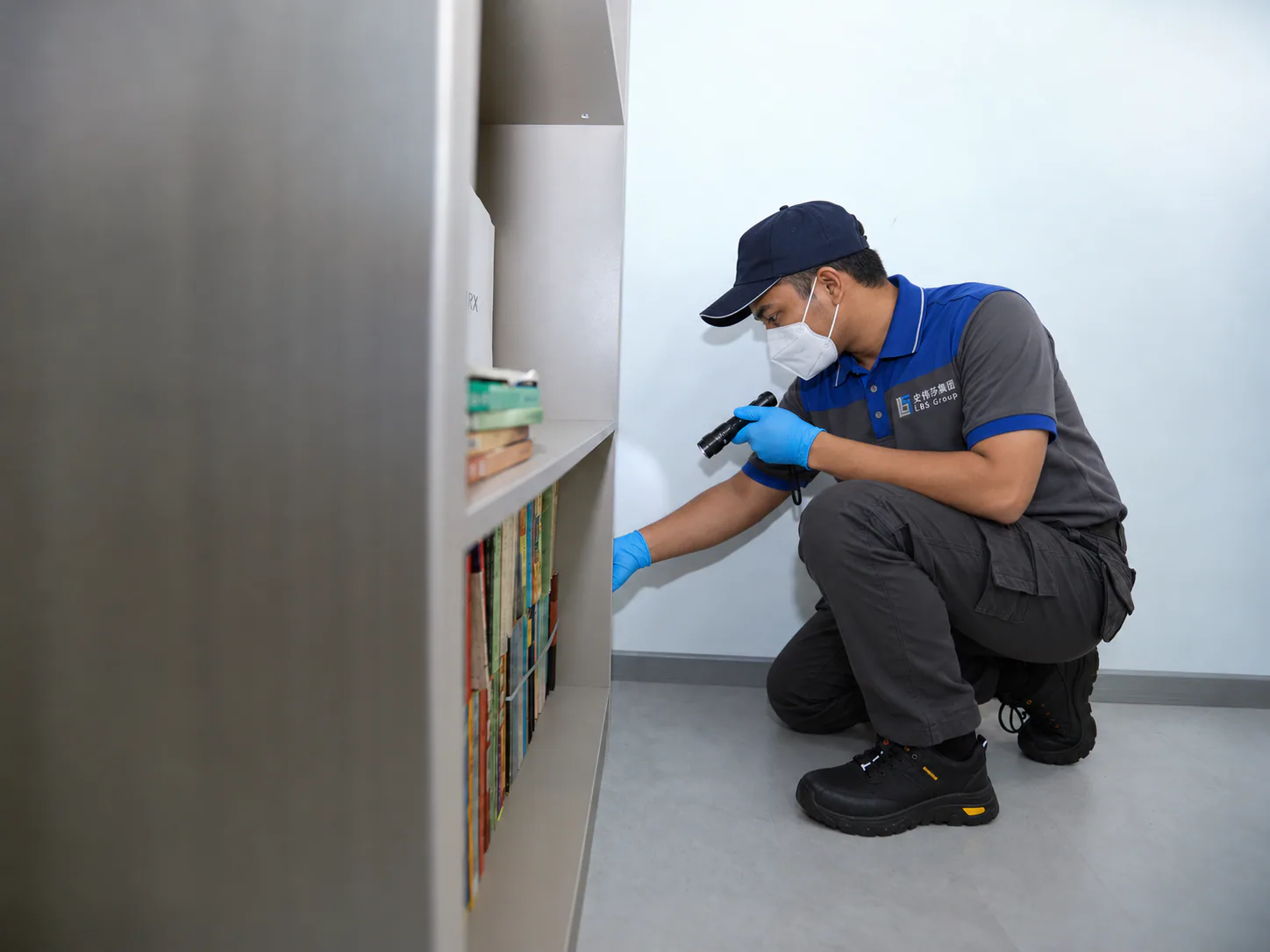
Place clear plastic cups coated internally with petroleum jelly over suspect drains, or secure clear tape across opening grates overnight. If adult flies emerge into the cup or stick to the tape, the drain is an active breeding site. Concurrently inspect food waste zones, bar speed rails, and produce storage areas with an inspection torch.
Step 2: Mechanical and Deep Sanitation
Remove all drain covers and physically scrape off gelatinous biofilm using a stiff drain brush. Pouring hot water or bleach down the pipe is insufficient; the thick organic lining protects larvae beneath the surface. For fruit flies, conduct a comprehensive deep clean: pull out all rolling prep tables, scrub floor-wall junctions, empty and sanitise all bin interiors, and flush soda drain lines.
Step 3: Bio-Enzymatic Drain Treatments
Apply commercial-grade bio-enzymatic drain cleaners rather than harsh corrosive chemicals. Enzymatic foam formulations expand to fill the full circumference of the pipe, digesting the fats, starches, and proteins that form the biofilm matrix. Apply the treatment during closing hours when drains are not in active use, allowing the active microbes sufficient contact time to dissolve the slime.
Step 4: Adult Fly Management
Install professional insect light traps featuring shatterproof ultraviolet tubes positioned away from food-contact surfaces. Targeted applications of residual or misting formulations should be executed only by licensed pest management professionals in strict compliance with food safety parameters to address lingering adult populations without risking chemical contamination.
For facilities experiencing persistent issues, engaging a specialised service provider like LBS Group ensures that deep sanitation and professional fly control protocols are applied safely and systematically.
Preventive Maintenance and Sanitation Best Practices
Long-term exclusion of drain flies and fruit flies requires daily operational discipline supported by structural maintenance. Addressing moisture accumulation, sealing structural entry points, and managing organic food waste prevents new fly generations from establishing breeding colonies in your kitchen.
Implement the following preventive schedule across all kitchen and bar operations:
- Daily Drain Flushing: Flush floor drains with hot water and maintain water seals inside P-traps to stop dry-pipe access from the main sewer line.
- Enzymatic Maintenance Schedules: Dose heavily used kitchen gullies with bio-cleaning solutions weekly to deter the re-formation of bacterial sludge layers.
- Strict Fruit and Produce Protocols: Store all fresh produce in covered plastic containers or cold rooms; avoid keeping bananas, tomatoes, or onions exposed on ambient prep shelves overnight.
- Empty Waste Continuously: Empty kitchen waste bins into exterior closed dumpsters before nightfall. Wash and invert waste bins daily to prevent sugar and grease sediments from pooling at the base.
- Bar Tap and Drain Maintenance: Run hot water and sanitising solution through draught beer lines, soda drip trays, and bar sink overflows every evening during closing procedures.
- Structural Repairs: Replace broken tiles, repair missing epoxy grout, and ensure silicone caulking around dishwashing stations and prep sinks remains watertight to prevent sub-surface moisture traps.
Combining physical exclusion with robust commercial kitchen hygiene practices protects kitchen margins, preserves food quality, and keeps hygiene audit scores intact.
Professional Pest Control and Integrated Hygiene Solutions
Whilst daily kitchen cleaning remains the foundation of pest prevention, chronic fly infestations often stem from hidden infrastructure faults, grease traps, or structural drainage defects that require professional intervention. Addressing complex infestations demands comprehensive pest management coupled with institutional hygiene practices.
Since 1998, LBS Group has grown from a specialist hygiene service provider into an integrated solutions group, bringing pest management, hygiene solutions, air purification, and ambient scenting together under one trusted partner. LBS Group began in Hong Kong in 1998 with a focus on professional pest management and subsequently expanded into China, Macau, Taiwan, and other Asian markets, growing its service network across more than 30 cities and key regions. In Malaysia, the acquisition of Perfection Pest Management strengthened LBS Group’s integrated service capabilities, delivering reliable vector control and sanitation programmes tailored specifically for food and beverage operators and central production kitchens.
Every LBS Group service visit is documented in a digital service report detailing service activities, site observations, corrective actions, and historical pest trends. With branches located across Kuala Lumpur, Penang, Ipoh (Perak), Melaka, Johor, and Pahang, our teams provide prompt, technical support to keep commercial food handling spaces compliant, hygienic, and free of small fly infestations.
To identify breeding sources or resolve a recurring fly issue in your kitchen, request a free inspection or contact us directly on WhatsApp at 0122950573.