Effective Rodent Prevention Strategies for Malaysian Factories During the Monsoon
6 November 2026
During Malaysia’s monsoon season, factories face heightened rodent activity as floods create new shelters and food sources; the most effective defence combines sealed structures, strict hygiene, and real‑time IoT monitoring to detect and act on incursions before damage occurs.
Understanding the Monsoon‑Driven Rodent Risk
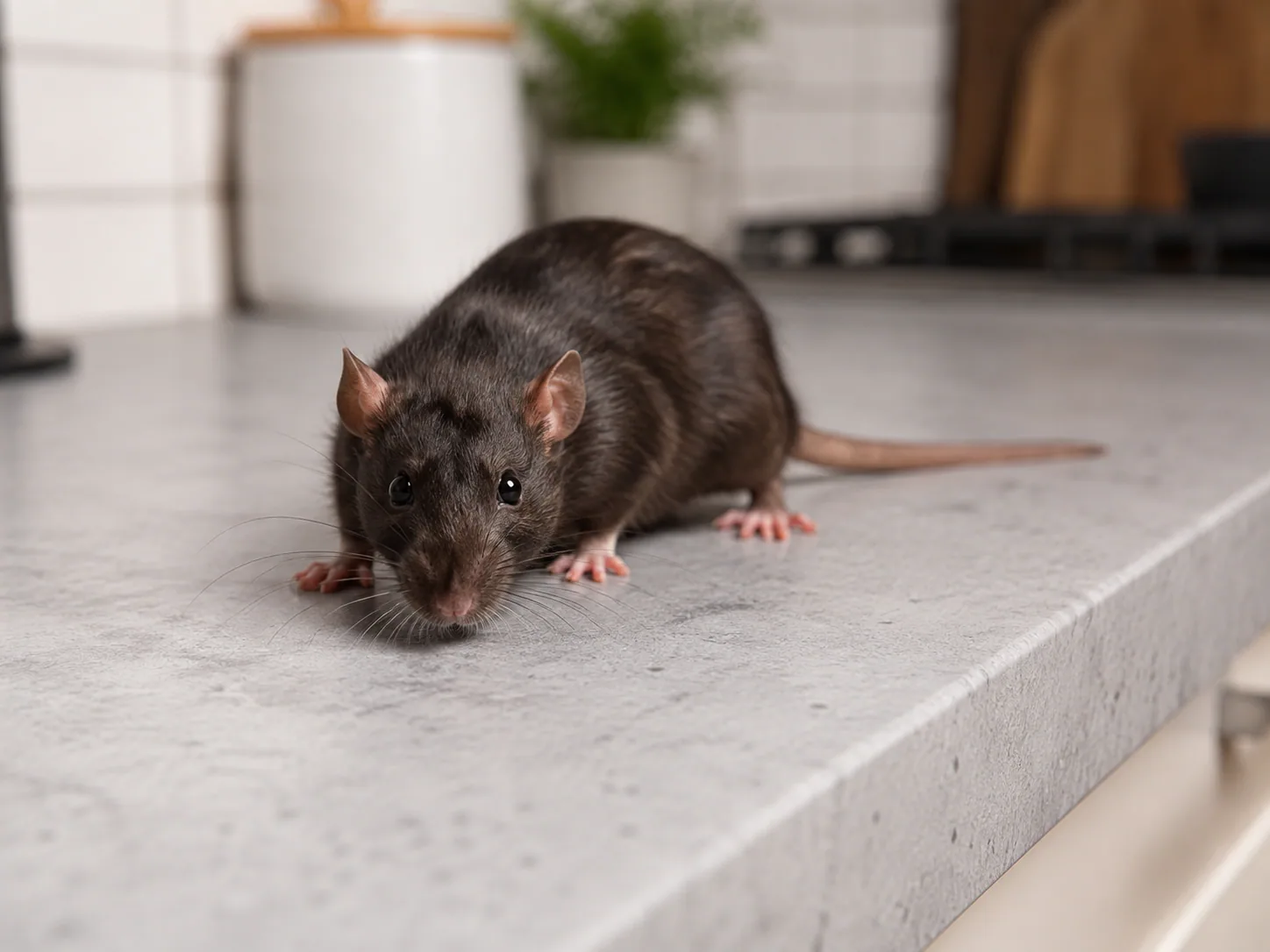
Rodent populations surge when heavy rain raises water levels, forcing rats and mice to seek dry refuge in industrial buildings. The moisture also softens building materials, making it easier for rodents to gnaw through walls and floorboards. According to the Malaysian Department of Veterinary Services, flood‑related rodent infestations rise by up to 30 % during the monsoon months (https://www.dvs.gov.my).
Key risk factors include:
- Open drainage or standing water near loading bays.
- Cracks in concrete floors or walls that become wider with moisture.
- Unsealed storage of raw materials and waste.
- Inadequate waste collection leading to food scraps.
Addressing these factors early reduces the likelihood of a full‑blown infestation that can halt production and breach food‑safety regulations.
Structural and Environmental Controls
A solid physical barrier is the first line of defence. Implement the following measures before the first heavy rains arrive:
- Seal all entry points – Use stainless‑steel mesh, concrete sealants, and metal flashing to close gaps larger than 6 mm. Prioritise door thresholds, utility penetrations, and vent openings.
- Elevate and protect utilities – Raise electrical panels, control cabinets and pipework above typical flood levels; install waterproof covers where elevation is not possible.
- Improve drainage – Ensure that floor gradients direct water to designated drains, and keep drains clear of debris. Install backflow valves to prevent sewer surge.
- Maintain perimeter landscaping – Trim vegetation within 2 m of the building to eliminate climbing routes. Remove any stored pallets or containers that sit directly on the ground.
- Secure waste handling – Use sealed, rat‑proof bins with tight‑fitting lids; schedule daily removal to a locked collection area.
| Control | Typical Action | Benefit |
|---|---|---|
| Physical sealing | Mesh, sealants, metal flashing | Blocks entry routes |
| Drainage optimisation | Graded floors, backflow valves | Reduces water accumulation |
| Waste management | Rat‑proof containers, daily pick‑up | Removes food attractants |
| Landscaping | Trim trees, clear ground clutter | Eliminates climbing paths |
These steps are part of an Integrated Pest Management (IPM) approach and align with the Malaysian Food Act requirements for factory hygiene.
Monitoring and Early Detection with IoT
LBS Group’s IoT Rodent Management Series adds a digital layer to traditional controls. The system combines:
- Smart infrared sensors that detect movement along walls and in concealed spaces.
- Smart rodent traps that send real‑time capture notifications to a mobile app.
- Frequency‑based repellent devices that emit ultrasonic waves to deter rodents without chemicals.
- Digital activity reporting that logs each detection, enabling trend analysis.
When a sensor registers activity, the LBS field team receives an instant alert, schedules a targeted inspection, and updates the digital service report that records observations, corrective actions and service history. This rapid feedback loop shortens response time from days to minutes, crucial during the monsoon when populations can double within 48 hours.
For factories already using LBS services, the IoT platform integrates with existing maintenance schedules, ensuring that rodent checks are part of routine plant audits.
Integrated Pest Management (IPM) Practices for Factories
IPM blends preventive, mechanical, biological and chemical tactics. Follow this three‑phase plan each monsoon cycle:
Phase 1 – Pre‑Monsoon Audit (4–6 weeks before heavy rain)
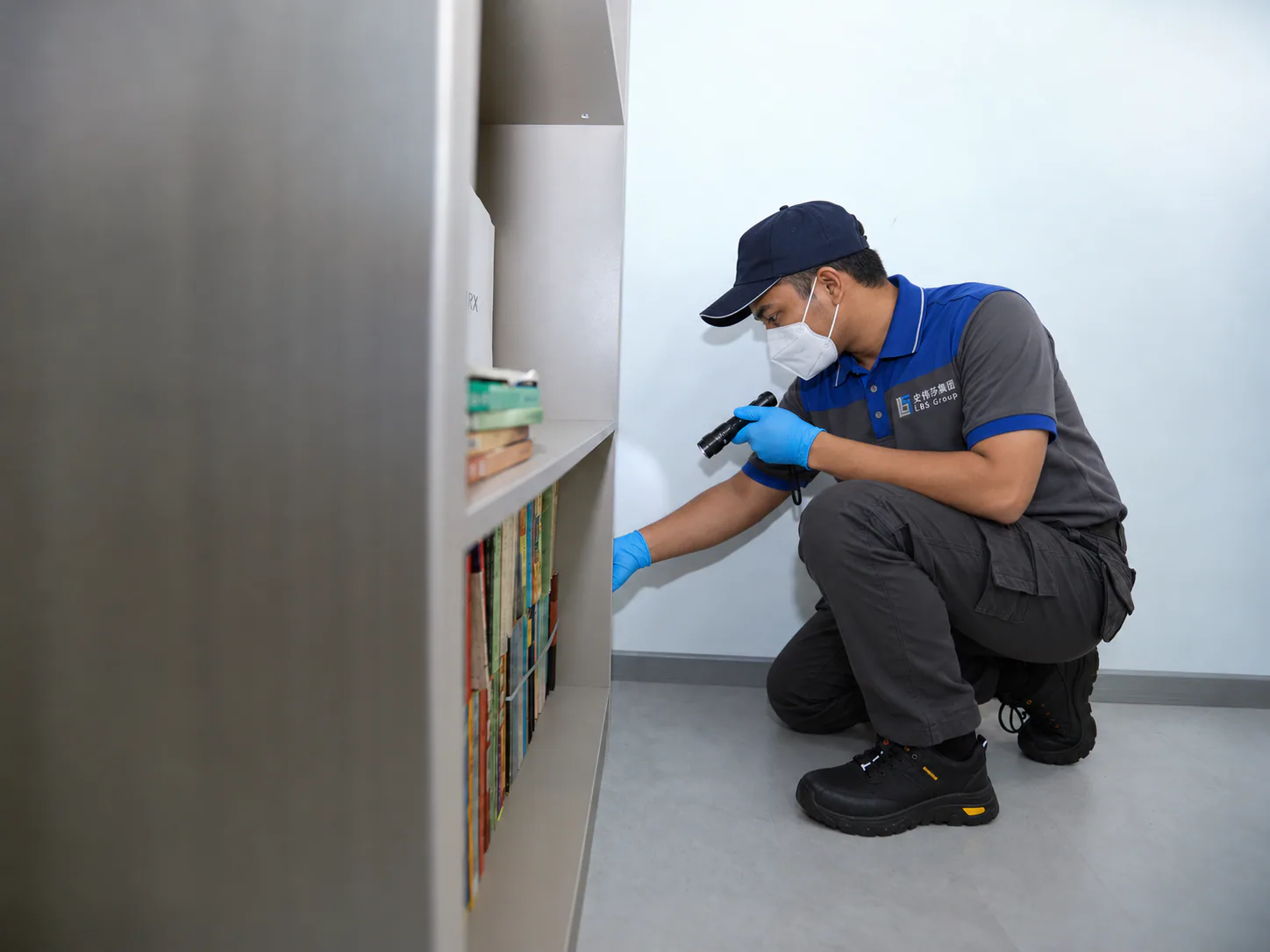
- Conduct a comprehensive structural inspection using the LBS digital service report template.
- Map all potential harbourages and rank them by risk.
- Install or upgrade IoT sensors in high‑risk zones identified during the audit.
Phase 2 – Active Monitoring (During the monsoon)
- Review IoT alerts daily; dispatch a technician within 2 hours of a detection.
- Deploy smart traps in hotspots; replace bait only when capture data shows low activity to avoid attracting new rodents.
- Apply frequency‑based repellents in areas where chemical use is restricted, such as food‑processing zones.
Phase 3 – Post‑Monsoon Review (1–2 weeks after rains subside)
- Analyse the IoT activity log to identify any persistent entry points.
- Perform a deep cleaning of all floors, walls and equipment using LBS’s periodic cleaning services.
- Update the structural sealant plan based on wear observed during the season.
By cycling through these phases, factories maintain a proactive stance rather than reacting to visible damage.
Sources and Further Reading
- US EPA: Identify and prevent rodent infestations
- US EPA: Integrated pest management (IPM) principles
Maintaining Hygiene and Food Safety Standards
Rodent control is inseparable from overall hygiene. LBS Group’s Kitchen Hygiene and Periodic Cleaning services support factories that handle food ingredients. Key practices include:
- Sanitising work surfaces after each shift to remove crumbs that attract rodents.
- Regular pest‑proof waste chutes that prevent rodents from climbing up from collection rooms.
- Air‑purification units to reduce dust that can conceal droppings, improving visual inspections.
Adhering to the Malaysian Food Act and the WHO guidelines on rodent‑borne diseases (https://www.who.int/news-room/fact-sheets/detail/rodents) protects both product integrity and worker health.
If you need a customised rodent‑proofing plan or want to see the IoT system in action, request a free inspection or message us on WhatsApp at 0122950573.