Fogging vs Larviciding: Which Dengue Control Methods Work Around Business Premises in Malaysia?
17 November 2026
Fogging alone is not enough. It kills adult mosquitoes that are flying when the area is treated, but it does not affect eggs or larvae, so a new generation can soon emerge. Around business premises, the approach that works has three parts. First, remove breeding sites. Second, use larvicide in water you cannot remove. Third, use fogging only when adult numbers or a dengue case call for it.
Why dengue control is back on the facilities agenda
The Ministry of Health Malaysia has linked rising dengue cases to several factors. These include a shift in the dominant virus serotype from DENV-2 to DENV-3, urbanisation, the weather and mosquito breeding sites that keep coming back. Building owners can directly control only the last factor: breeding sites on their own property.
There are four dengue serotypes. According to the World Health Organization, recovering from one serotype gives lasting immunity to that serotype only. A later infection with a different serotype raises the risk of severe dengue. When a new serotype becomes dominant, many people who have had dengue before can still be infected.
Why this matters for workplaces:
- Aedes aegypti and Aedes albopictus, the main dengue mosquitoes, bite mostly during the day. That means during working and trading hours.
- They breed in small amounts of clean, still water. Commercial buildings have many hidden places where this collects.
- The authorities respond with targeted fogging, outdoor residual spraying in persistent hotspots and community programmes such as Komuniti Bebas Denggi (KomBeD). Public fogging, however, does not reach the gutter, sump or plant saucer on your premises.
How does fogging work, and what are its limits?
Fogging, also called space spraying, releases a fine mist of insecticide into the air. It kills adult mosquitoes that come into contact with the droplets. It acts fast on mosquitoes flying at that moment, but leaves little lasting residue. It does nothing to eggs or larvae in water.
Thermal fogging and ULV (cold) fogging
- Thermal fogging uses heat to turn an insecticide mixed with a carrier into vapour. This produces the visible white cloud most people associate with dengue control.
- Ultra-low volume (ULV) or cold fogging breaks the insecticide into very small droplets without heat. It produces little visible smoke and is often preferred for indoor or sensitive areas.
Where fogging falls short
- No effect on the next generation. Eggs and larvae keep developing, so adult mosquitoes return once the mist has settled.
- Poor reach into hiding places. Droplets do not get far into closed rooms, cupboards, dense planting or the spaces under stacked goods. These are the places where Aedes mosquitoes like to rest.
- Timing matters. Treatment works best when mosquitoes are active, usually early in the morning and late in the afternoon.
- Resistance. Researchers have reported insecticide resistance in Aedes mosquitoes in Malaysia. Repeated fogging with the same chemical may therefore work less well over time.
- Disruption. People and exposed food must be cleared from treated areas, and in some cases sensitive equipment too.
When fogging makes sense
Fogging is a useful emergency tool in three situations:
- A confirmed dengue case is linked to your premises.
- Adult mosquito activity is high.
- The district health office instructs you to fog.
It should always be combined with breeding-site work, never used instead of it.
What is larviciding and where does it work best?
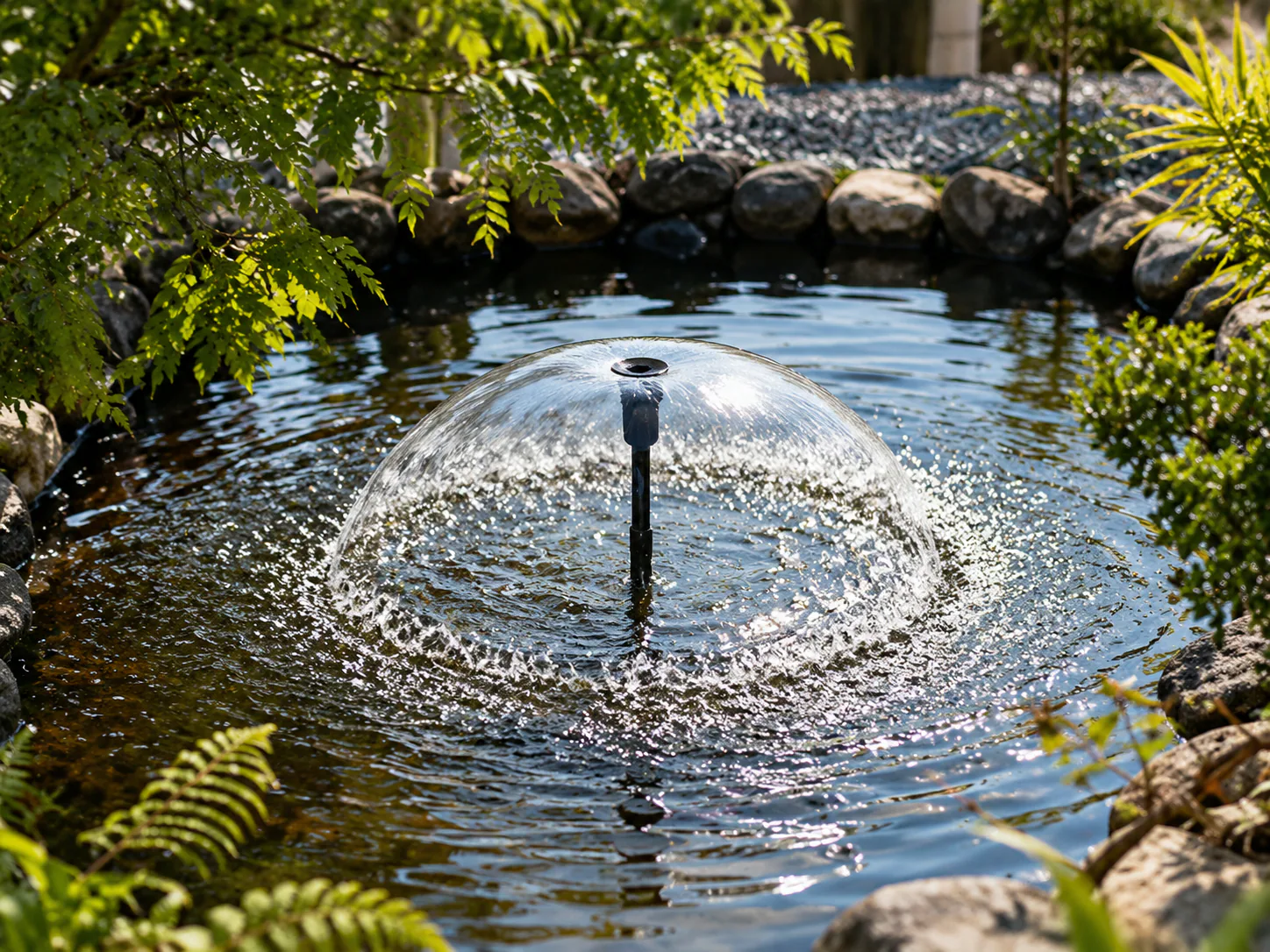
Larviciding means treating standing water with a product that kills mosquito larvae before they become biting adults. It suits water that cannot be drained, covered or removed, such as sumps, drains and water features. It stops mosquitoes at the source, but only in the containers that are actually found and treated.
Products used in dengue control include:
- Temephos sand granules (often known by the trade name Abate), an organophosphate larvicide
- Bti (Bacillus thuringiensis israelensis), a bacterial larvicide that targets mosquito larvae
Places on business premises where larviciding is often useful:
- Basement sumps, lift pits and drainage pits that hold water
- Blocked or slow-draining roof gutters and box gutters that are waiting for repair
- Decorative ponds and water features with no fish or moving water
- Fire-fighting water reserves and holding tanks that cannot be sealed
- Standing water, open concrete pits and service trenches on construction areas
Limitations to plan for:
- Larvicides lose their effect over time, after heavy rain and when the water is changed. They need to be re-applied on a schedule.
- Containers that nobody finds are never treated. A thorough site survey matters more than the choice of product.
- Never add larvicide to drinking water unless the label specifically approves that use, and follow the label exactly. Ask your pest control provider first.
Source reduction: the method that does the heavy lifting
Source reduction means finding and getting rid of the water where mosquitoes breed. You empty, scrub, cover or drain containers, or throw them away. It is the only method that removes breeding sites for good, and it is what health inspectors look for. Larviciding and fogging work far better when this is done first.
Aedes eggs stick to the inside walls of containers, just above the waterline, and can survive dry spells. Tipping out the water is not enough. Scrub the inside of containers before refilling them.
Checklist by area
Rooftops and exterior
- Clear leaves and debris from gutters, box gutters and downpipes
- Check flat roofs and podium decks for standing water after rain
- Make sure water tank lids fit tightly and overflow pipes are screened
Inside the building
- Empty and clean air-conditioning condensate trays
- Remove water from plant saucers and indoor planters
- Flush toilets and run taps in unused rooms, floors or units every week
Loading bays, yards and warehouses
- Store tyres, drums and buckets under cover or upside down
- Drain water that collects on pallets, tarpaulins and stacked goods
- Clear away scrap, packaging and discarded containers promptly
F&B outlets and hotels
- Check outdoor seating areas, umbrella bases and decorative containers
- Inspect back-of-house areas, bin stores and empty crates after rain
- Include vacant guest rooms in weekly water checks
In warm Malaysian weather, larvae can become adults in about a week, so a weekly inspection works well. Give each zone to a named person and keep a simple log.
Fogging vs larviciding vs source reduction: side-by-side comparison
Each method targets a different stage of the mosquito life cycle, so none of them works fully on its own. Source reduction removes breeding sites for good. Larviciding protects water that must stay. Fogging kills adult mosquitoes in an emergency. Using all three together is the reliable approach.
| Method | Stage targeted | How long the effect lasts | Best used for | Main limitation |
|---|---|---|---|---|
| Fogging (thermal or ULV) | Flying adults | Short; little residue | Confirmed cases, high adult activity, instructions from the authorities | Does not stop new adults emerging |
| Larviciding | Larvae in water | Weeks, depending on product and conditions | Water that cannot be removed or covered | Only works where containers are found and re-treated |
| Source reduction | Eggs, larvae and future breeding | Permanent for each site removed | Every premises, every week | Needs a steady routine and staff involvement |
How the methods fit together
- Step 1: Survey. Map every place on the property where water can collect, including roofs, basements and yards.
- Step 2: Remove. Get rid of, empty, scrub or cover every site you can.
- Step 3: Treat. Apply larvicide to the sites that must hold water, and schedule re-treatment.
- Step 4: Control adults when needed. Use fogging or targeted spraying for confirmed cases or high mosquito activity.
- Step 5: Monitor and record. Inspect again, note what you find and track areas where problems keep returning.
When should you call in a professional pest control service?
Call a professional in any of these situations:
- Breeding sites keep coming back.
- The site is too large or complex for staff to check properly.
- A dengue case is linked to your premises.
- You receive a notice from health officers.
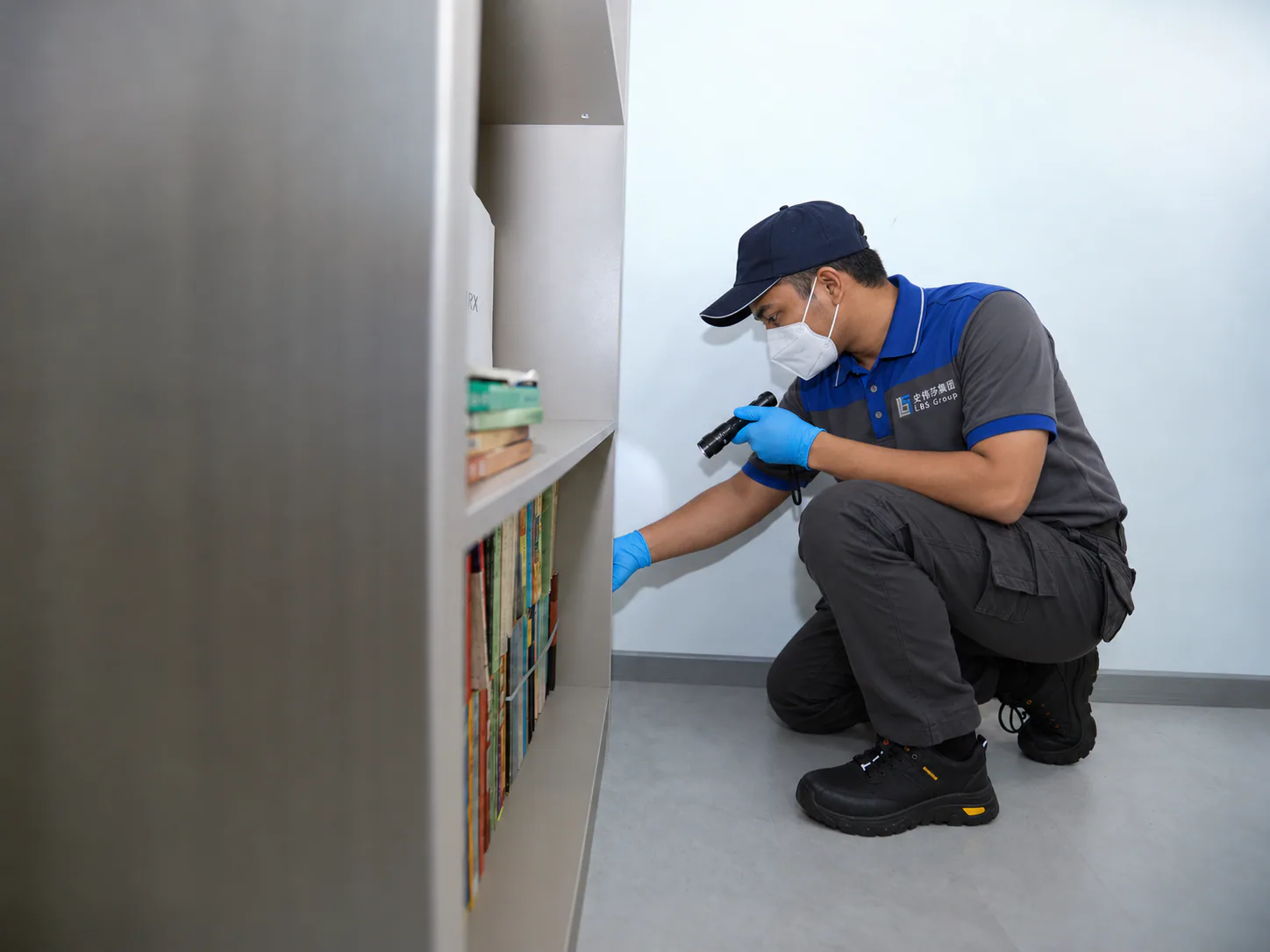
A professional service adds a structured survey, correct use of products and written records.
Under the Destruction of Disease-Bearing Insects Act 1975, health officers can inspect premises. Owners or occupiers where Aedes breeding is found may face enforcement action. Check the current requirements with your district health office.
Signs that you need help:
- Larvae are found at more than one inspection
- Staff, guests or tenants often report mosquito bites during the day
- Your site has roofs, basements, construction areas or yards that are hard to inspect
- A staff member or occupant has been diagnosed with dengue
- You need written records for audits, tenants or head office
What to expect from a good provider:
- Pesticides applied by licensed operators. Pesticide use in Malaysia is regulated under the Pesticides Act 1974, so check the current licensing requirements.
- A site survey that finds breeding sites, not just a fogging visit
- Clear advice on building repairs, such as gutters or drainage
- Written records of every visit, with findings and actions taken
LBS Group’s mosquito control service follows this approach. Every service visit is recorded in a digital service report covering service details, site observations, corrective actions and service history. These records help office and property managers and warehouse and logistics operators show what was found and fixed at each visit.
Protect your premises before the next wet spell
The best time to tackle dengue mosquitoes is before a case appears, while there is still time to fix gutters and drains and to change how you store things. LBS Group has branches in Kuala Lumpur, Penang, Ipoh (Perak), Melaka, Johor and Pahang. It serves homes and businesses, including hotels, F&B outlets and factories.
Request a free inspection or contact us on WhatsApp at 0122950573. We are open Monday to Friday, 9:00 AM–6:00 PM, and Saturday, 9:00 AM–1:30 PM. You can also email admin@lbsgroup.com.my.