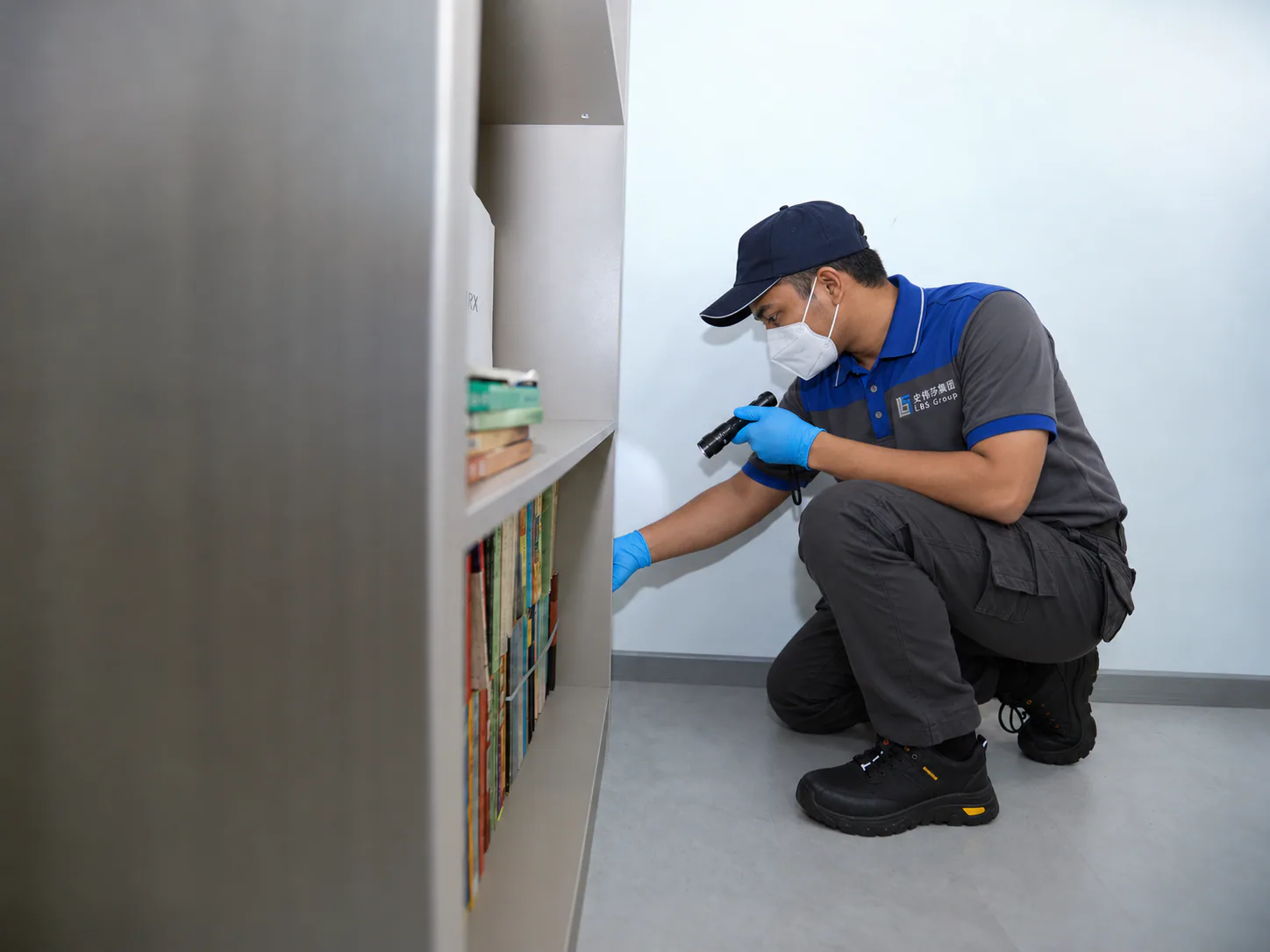
Insect Light Traps for Food Factories and Commercial Kitchens: Placement, Maintenance and Common Mistakes
17 November 2026
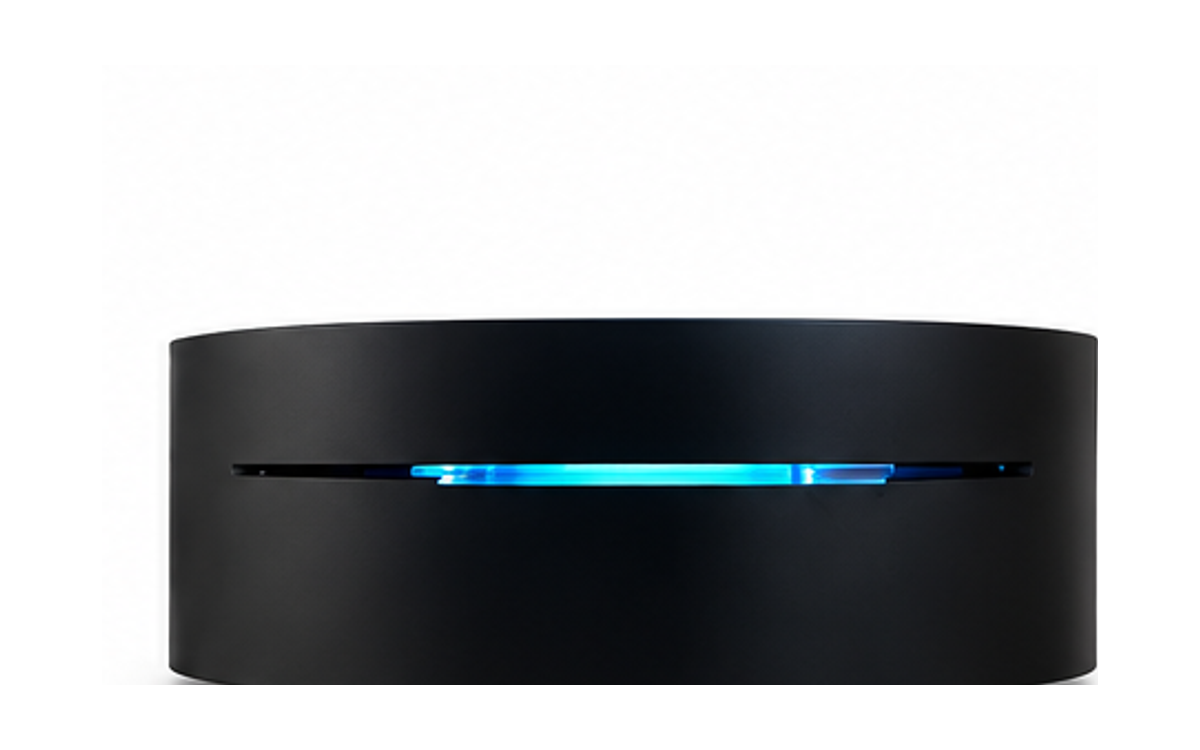
Install insect light traps inside the building, near entry points but not visible from outside, and away from exposed food, packaging lines and competing light. In food areas, use glue-board units with shatterproof tubes. Replace glue boards on a set schedule, change UV tubes at least yearly or as the manufacturer advises, and keep catch records for auditors.
What insect light traps do and which type to choose
An insect light trap (ILT), also called a fly control unit, uses ultraviolet (UV-A) light to attract flying insects. It then catches them on a glue board or kills them on an electrified grid. Glue-board units are generally preferred in food production and preparation areas because they hold insects intact rather than scattering fragments.
The two main types suit different areas:
| Feature | Glue-board units | Electric grid units |
|---|---|---|
| How insects are caught | Stick to a replaceable adhesive board | Killed on a charged grid, then fall into a tray |
| Risk of insect fragments | Low, because insects stay on the board | Higher, because insects can break apart on contact |
| Suitability near food | Preferred for production, prep and packing areas | Better kept to areas with no exposed food or packaging |
| Catch monitoring | Easy to count and identify insects on the board | Harder, because the tray contents are often damaged |
| Noise | Silent | Audible crackle on contact |
| Typical locations | Factory floors, central kitchens, back-of-house | Loading bays, waste areas, external corridors |
Other points to consider:
- Shatterproof tubes or sleeves: Most food safety programmes include a glass and brittle plastic policy, so tubes in food areas should be coated or sleeved.
- Front-of-house units: Discreet wall-mounted designs are available for dining areas, but they still need the same servicing as back-of-house units.
- Fluorescent or LED: Both are available. Check the manufacturer’s guidance on effective life and replacement intervals.
- Wet areas: In wash-down zones, choose units with a suitable ingress protection (IP) rating, and have a qualified electrician confirm the installation is safe.
Where to install insect light traps
The right location intercepts flies soon after they enter, without drawing more in from outside or putting food at risk. Install units inside, close to doors, loading bays and other entry routes. Keep them out of sight lines from outside. Never mount them over exposed product, prep surfaces or open packaging.
Good locations
- Inside goods-in areas, airlocks and corridors that lead from external doors into production.
- Near the back door of a commercial kitchen, positioned so the light faces inward.
- Close to waste holding rooms and bin stores, where flies gather.
- In darker, sheltered spots where the UV light does not compete with daylight or bright overhead lighting.
- At a low-to-mid wall height, because many flies rest and fly at lower levels. Follow the manufacturer’s recommended mounting height.
Locations to avoid
- Directly above or beside exposed food, conveyors, filling lines, chopping boards or packaging materials.
- Facing windows, glass doors or open roller shutters. The light can attract insects from outside, particularly at night.
- Next to strong airflow from fans, air-conditioning outlets or air curtains, which can stop insects from reaching the unit.
- Over dishwashing areas or steam sources, where heat and moisture quickly spoil glue boards.
- Forklift and trolley routes, where units are likely to be knocked or damaged.
Step-by-step placement survey
- Step 1: Map the site. Mark doors, shutters, windows, drains, waste points and every area where food is exposed.
- Step 2: Identify fly pressure. Note where flies are seen, where produce is stored and where Malaysia’s heat and humidity make spoilage more likely.
- Step 3: Choose positions. Place units on entry routes and near attractants, keeping clear of exposed food and away from external sight lines.
- Step 4: Number every unit. Label each unit on the wall and on the site plan so that catch records match a specific location.
- Step 5: Review after trending. If catch data shows insects concentrating in one area, adjust unit positions or add units, and record the change.
How often to service insect light traps
Service intervals depend on your risk level, but every unit needs four things: a regular working check, scheduled glue-board inspection and replacement, UV tube replacement at least once a year or as the manufacturer advises, and dated records. A tube can still glow brightly after its UV output has dropped, so its appearance does not tell you whether it still works.
| Task | Suggested frequency | Why it matters |
|---|---|---|
| Check the unit is switched on and undamaged | Daily, by site staff | Units are often switched off by mistake or knocked out of position |
| Inspect the glue board and record the catch | At every scheduled pest management visit | Builds the trend data that auditors review |
| Replace the glue board | On the agreed schedule, or sooner if it is full, dusty or wet | A covered board stops catching insects |
| Clean the unit, grid and catch tray | At each service visit | Dead insects and dust can attract other pests |
| Check shatterproof sleeves and covers | At each service visit | Supports your glass and brittle plastic policy |
| Replace UV tubes | At least annually, or as the manufacturer advises | UV output declines before the tube visibly fails |
Agree the exact visit frequency with your pest management provider, based on your products, building condition and audit requirements.
Reading the catch
A glue board shows where insects are coming from:
- House flies: These usually point to waste handling, open doors or poor external hygiene.
- Fruit flies: These suggest over-ripe produce, sugary residues, drains or bins that need attention.
- Drain flies (moth flies): These indicate organic build-up in floor drains, gullies or under equipment.
- Small moths or beetles: These may signal a stored product issue in dry goods areas.
A sudden rise on one unit is a prompt to investigate nearby. It is not simply a sign that you need more traps.
What food safety auditors check
Auditors want evidence that flying insect control is planned, maintained and acted on. They usually walk the site with your pest control plan, check that units match the map, inspect a sample of units and review service records, catch trends and corrective actions.
Requirements vary by scheme and customer. In Malaysia, food premises must follow the Food Hygiene Regulations 2009 under the Food Act 1983. Many manufacturers also work under HACCP, MeSTI, ISO 22000, FSSC 22000 or customer-specific standards. Requirements are updated from time to time, so check the current official guidance from the Food Safety and Quality Division of the Ministry of Health Malaysia and the documents for your certification scheme.
Typical audit checks include:
- An up-to-date site plan showing every numbered insect light trap.
- Units installed where the plan says, working, and positioned away from exposed product.
- Shatterproof tubes or protective sleeves in food areas.
- Recorded dates for glue-board changes and UV tube replacement.
- Catch counts per unit, with insect types identified where possible.
- Trend analysis over time, with action levels defined in your pest management programme.
- Corrective actions recorded when catches rise, such as repairs to proofing, drain cleaning or changes to waste handling.
- Service reports from your pest management provider, with findings and recommendations.
Records are often where sites lose marks. Every LBS Group service visit is recorded in a digital service report covering service details, site observations, corrective actions and service history. This gives your team a clear trail to show auditors.
Common mistakes with insect light traps
Most insect light trap problems come from poor positioning, missed maintenance or treating the unit as the whole solution. These mistakes are common in busy factories and kitchens, and most cost little to fix once spotted.
- Mounting units over food or packing lines. Move them to entry routes and non-product zones.
- Placing units where they can be seen from outside. Reposition them so the light faces inward, away from doors and windows.
- Judging tubes by brightness. Replace tubes on a dated schedule, not when they look dim.
- Leaving glue boards until they are full. A board covered in insects or dust stops working and looks poor at audit.
- Switching units off at night or over weekends. Insect light traps should run continuously unless the manufacturer states otherwise.
- No numbering or site map. Without them, catch data cannot be linked to a location or trend.
- Using electric grid units in open-food areas. Use glue-board units wherever food or packaging is exposed.
- Recording catches but never acting on them. Each rise in catches should lead to an investigation and a recorded corrective action.
- Relying on traps alone. A trap catches flies that are already inside. It does not deal with the reasons they got in.
Insect light traps work best as part of wider fly control
Insect light traps are a monitoring and control tool, not a complete fly management programme. Long-term control comes from keeping flies out and removing what attracts them. That means proofing, sanitation, waste management and drain hygiene, with trap data showing where to focus.
Practical measures that support your units:
- Keep doors closed, and fit strip curtains, self-closing doors or insect screens where suitable.
- Empty and clean bins regularly, and keep waste areas well away from production entrances.
- Clean floor drains and gullies so that organic residues do not build up.
- Store produce correctly and remove spoiled stock promptly.
- Train staff to report fly activity and to leave units switched on.
The World Health Organization’s food safety guidance explains why good hygiene and pest prevention matter across the food chain.
LBS Group provides fly control for businesses including factories and F&B outlets. Its teams have branches in Kuala Lumpur, Penang, Ipoh, Melaka, Johor and Pahang. Find out more about how LBS Group supports food manufacturing and factory sites and food and beverage operators. You can also see how kitchen hygiene services help reduce the residues that attract flies.
Request a free inspection
If you are unsure whether your insect light traps are in the right places, or you have an audit coming up, ask for a site review. Request a free inspection, message us on WhatsApp at 0122950573, or email admin@lbsgroup.com.my. Our head office in Bandar Sri Damansara, Kuala Lumpur, is open Monday to Friday from 9:00 AM to 6:00 PM and on Saturday from 9:00 AM to 1:30 PM.