Leptospirosis After Floods: Rodent Control and Clean-Up Steps for Business Premises in Malaysia
18 November 2026
Leptospirosis is a bacterial infection spread mainly through the urine of infected rats, and floodwater can carry it into every corner of your premises. Before you reopen, protect your clean-up crew with waterproof gear, remove mud and spoiled stock, clean and then disinfect every surface, and close the gaps that let displaced rodents move back in.
Why floods raise leptospirosis risk on business premises
Floods drive rats out of drains, sewers and riverbanks and into buildings, while the water spreads urine-contaminated mud across floors, stock and equipment. The bacteria enter the body through cuts, scratches and the moist linings of the eyes, nose and mouth, so anyone wading, scrubbing or carrying debris is exposed.
Malaysian evidence backs this up. A 2021 Institute for Medical Research study of the Kelantan floods of December 2014 to January 2015 found that walking in floodwater and staying in flood relief centres were significant risk factors for leptospirosis, and its authors pointed to avoiding floodwater and keeping hygiene standards high. The World Health Organization’s leptospirosis outbreak toolbox also lists flooding as a typical exposure event.
On business premises, risk concentrates in predictable places:
- Low-lying areas such as basements, car parks, loading bays and sumps, where water and silt linger longest.
- Absorbent materials such as cardboard cartons, wooden pallets, sacks of dry goods and ceiling boards.
- Kitchen drainage, including floor traps and grease traps that may have backed up.
- Storerooms and warehouses, which offer displaced rats exactly what they want: dry shelter and food.
The North-east Monsoon often brings more than one surge, so premises can flood again before the first clean-up is finished. Plan for that.
Before anyone goes back in: protect your clean-up team
Treat everything the water touched as contaminated until it has been cleaned and disinfected. Confirm the building is structurally and electrically safe, give every worker waterproof gloves, boots and eye protection, cover all cuts, and set up a clean zone where people wash and change before breaks.
Safety checks first
- Have a qualified electrician isolate and inspect power before anyone works in wet areas.
- Check for gas smells, cracked walls, sagging ceilings and loose racking.
- Ventilate enclosed rooms before entry; mud and damp can produce strong odours and mould.
Personal protective equipment (PPE)
- Waterproof rubber or nitrile gloves, not fabric work gloves.
- Knee-high rubber boots; avoid open shoes and bare feet entirely.
- Waterproof coveralls or aprons.
- Goggles or a face shield whenever water could splash, especially when hosing down.
- A suitable mask when removing mouldy materials or dusty dried silt.
Hygiene rules on site
- No eating, drinking or smoking in the work area.
- Cover cuts and grazes with waterproof dressings before starting.
- Wash hands and face with soap and clean water before every break and at the end of the shift.
- Bag work clothes and wash them separately.
Watch for symptoms. Keep a list of who worked on the clean-up. The Ministry of Health advises people who develop fever, muscle pain, vomiting or diarrhoea after contact with floodwater to seek medical attention promptly. Staff should tell the doctor they were exposed to floodwater. This is general guidance only, not medical advice.
Employers’ duties under the Occupational Safety and Health Act 1994 continue during clean-up work, so check DOSH’s current guidance for your type of workplace.
Step-by-step clean-up for flooded premises
Work from dirty to clean and from top to bottom. Document the damage, drain and remove debris, discard anything porous or food-related that cannot be made safe, wash surfaces with detergent, then disinfect and dry. Disinfectant cannot work properly on surfaces still coated in mud, so cleaning must always come first.
Step 1: Record the damage. Photograph and video every area, including the waterline on walls, before you throw anything away. Insurers may ask for this, and the waterline shows exactly how high you need to clean.
Step 2: Remove standing water and mud. Pump out or squeegee water towards drains, then shovel out silt. Keep mud damp while you remove it; dry-sweeping or blasting dried silt with high-pressure jets throws contaminated dust and droplets into the air.
Step 3: Sort and discard. Throw away food, ingredients and packaging that touched floodwater. Discard porous items that stayed wet, such as cardboard, soft furnishings, insulation and ceiling boards. Bag and seal waste, and arrange collection quickly: debris piled against walls becomes rat shelter.
Step 4: Wash with detergent. Scrub floors, walls up to the waterline and above, shelves, racking and equipment with detergent and clean water. Rinse.
Step 5: Disinfect. Use a disinfectant suited to each surface, at the dilution and contact time on the label. Never mix bleach with ammonia-based or acidic cleaners.
Step 6: Dry and ventilate. Run fans and dehumidifiers and open doors and windows where safe. Recheck for damp and mould over the following days.
Step 7: Check water and drainage. Clear floor traps, grease traps and sumps. Have water tanks and filters inspected if floodwater may have entered the supply.
Once the initial clean-up is done, consider periodic cleaning to keep on top of areas that a rushed clean-up tends to miss, such as high-level surfaces and the spaces behind fixed equipment.
Extra steps for kitchens and food production areas
- Wash, rinse and sanitise every food-contact surface, utensil and container.
- Discard ice, replace water filters and clean ice machines and drink dispensers.
- If chillers or freezers lost power and you cannot confirm the temperature they held, discard the contents.
- Clean and sanitise behind and under heavy equipment, where silt collects unseen.
The Food Hygiene Regulations 2009 set out cleanliness and pest-control duties for food premises. Check the current requirements and any local authority instructions before reopening. Our kitchen hygiene services can support your team in food areas.
Rodent control after the water recedes
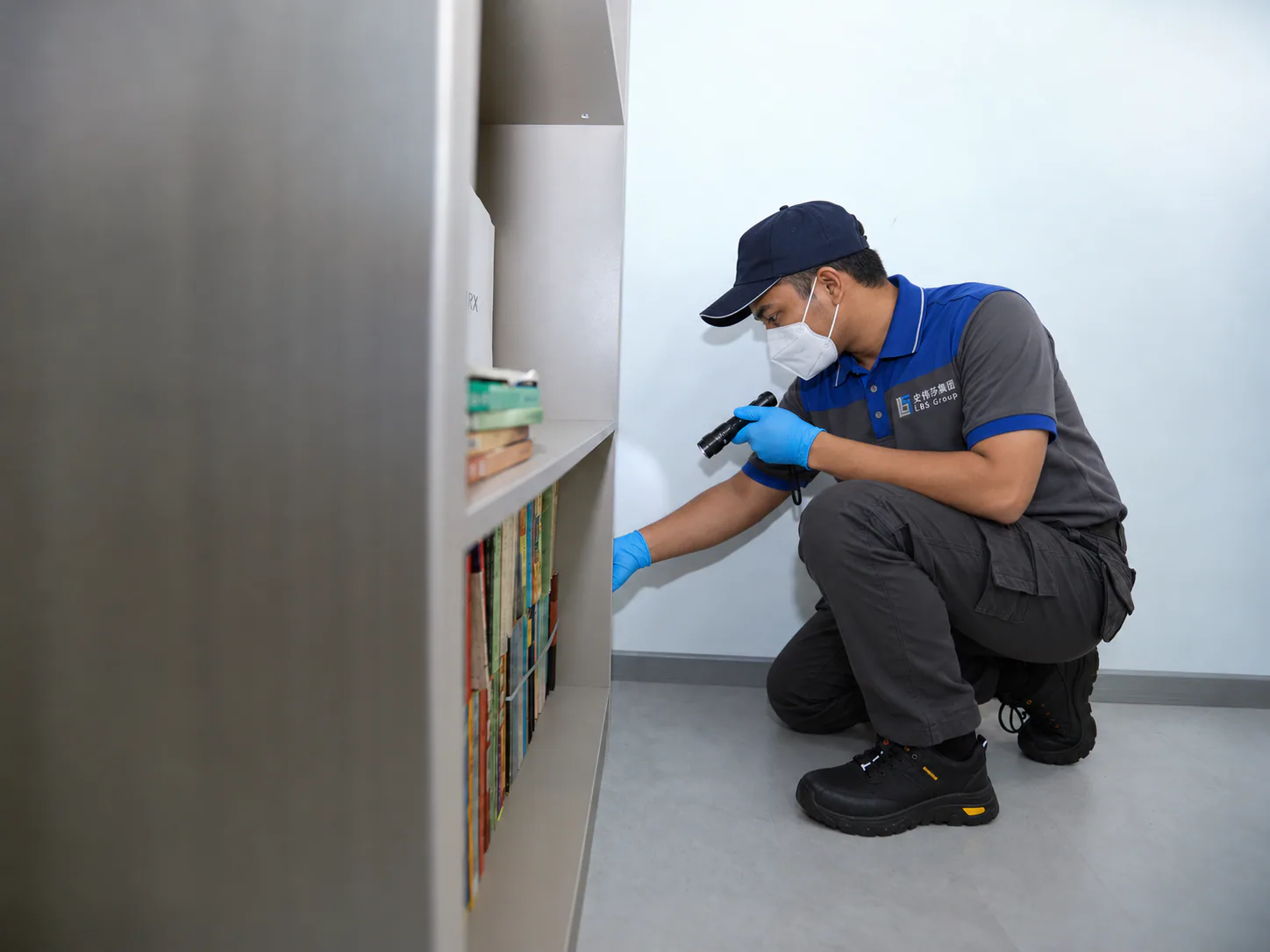
Rats that survive a flood look for dry shelter, food and water, and a disrupted building offers all three. Effective control has three parts: remove what attracts them, block the routes they use to get in, and monitor and trap so you know whether activity is falling or rising in the weeks after you reopen.
Signs of rodent activity to look for
- Fresh droppings along walls, behind equipment and in storerooms
- Gnaw marks on doors, cables, pipes and packaging
- Dark grease smears along skirting and beams
- Nests in debris, false ceilings or behind stacked stock
- A strong ammonia-like smell in enclosed spaces
| Measure | What it involves | Why it matters after a flood |
|---|---|---|
| Waste and debris removal | Daily collection, lidded bins, no piles against walls | Flood debris offers instant shelter |
| Stock storage | Sealed containers, goods off the floor, gaps left between stock and walls | Hungry, displaced rats target stores |
| Proofing | Sealing gaps around pipes and cables, door sweeps, secure drain covers | Water and debris often dislodge covers and damage seals |
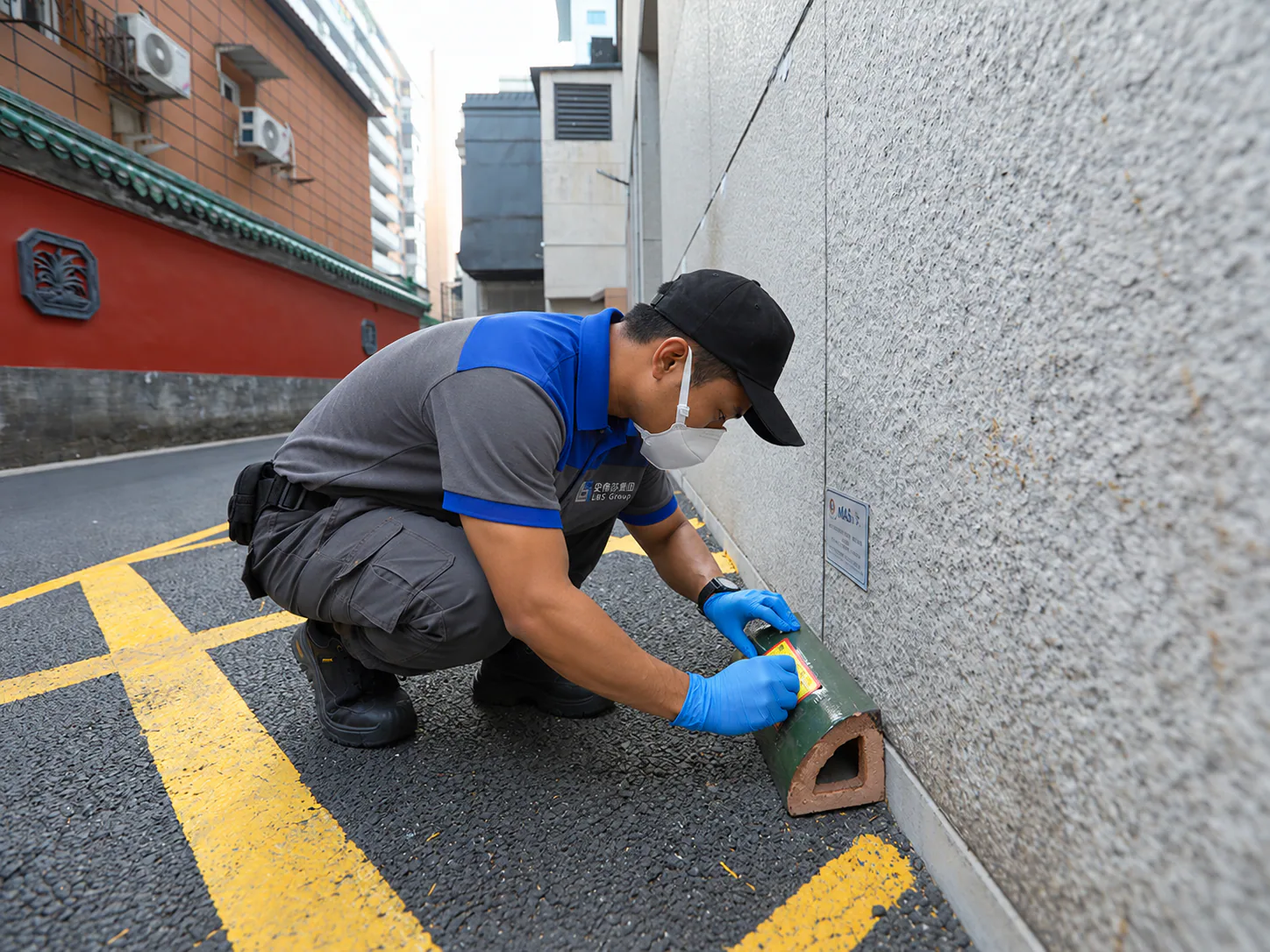
| Trapping | Traps placed along walls and runways, checked daily | Removes rodents already inside |
| Monitoring | Regular inspections and recorded activity | Shows whether the problem is shrinking or growing |
Be cautious with rodenticides in food areas: rats that die inside wall voids or ceilings create odour and hygiene problems. Ask a professional for advice on what is suitable for your site.
Handling dead rodents: wear waterproof gloves, spray the carcass and the surrounding area with disinfectant, seal it in two plastic bags, dispose of it with general waste and wash your hands thoroughly. Never touch rodents with bare hands.
LBS Group’s rodent control service can include the IoT Rodent Management Series, which combines smart infrared sensors, smart rodent traps with real-time notifications, frequency-based repellent devices and digital activity reporting. After a flood, that kind of continuous monitoring helps you spot returning activity early rather than waiting for the next scheduled visit.
Reopening checklist for F&B outlets, factories and warehouses
Reopen only when the premises are clean, dry and safe, and show no fresh rodent activity. A written checklist signed off by a named person confirms nothing was missed and gives you a record to show local authority officers, auditors or insurers if they ask what you did after the flood.
Before reopening, confirm that:
- Electrical, gas and structural checks are complete and signed off by qualified people
- All areas below and around the waterline have been cleaned, disinfected and dried
- Contaminated food, packaging and porous materials have been removed and collected
- Water tanks, filters and ice machines are cleaned or replaced
- Drains, grease traps and sumps are cleared and covers are back in place
- Doors close fully and gaps around pipes, cables and vents are sealed
- Rodent monitoring points are in place and show no fresh activity
- Staff have been briefed on hand hygiene and on reporting symptoms
- Photos, cleaning logs and pest control reports are filed together
Sector notes
- F&B outlets: prioritise dry stores, under-counter areas and bin rooms, where rats often settle first.
- Factories: inspect production lines, raw material stores and cable trays; customers and auditors may want evidence of corrective action.
- Warehouses: check bottom-tier pallets, stretch-wrapped stock and the gaps behind racking, which stay damp and hidden.
Records matter. Every LBS Group service visit is recorded in a digital service report covering service details, site observations, corrective actions and service history, which gives you a clear trail to share during audits.
Get your premises inspected before you reopen
If your premises flooded this monsoon, a professional inspection can confirm that clean-up is complete and catch rodent activity before customers or staff are affected. LBS Group serves hotels, F&B outlets, factories and homes from branches in Kuala Lumpur, Penang, Ipoh (Perak), Melaka, Johor and Pahang.
Request a free inspection, message us on WhatsApp at 0122950573 or email admin@lbsgroup.com.my. Our office hours are Monday to Friday, 9:00 AM to 6:00 PM, and Saturday, 9:00 AM to 1:30 PM.