Pest Control and Hygiene Documentation for MeSTI and Halal Audits in Malaysia
15 November 2026
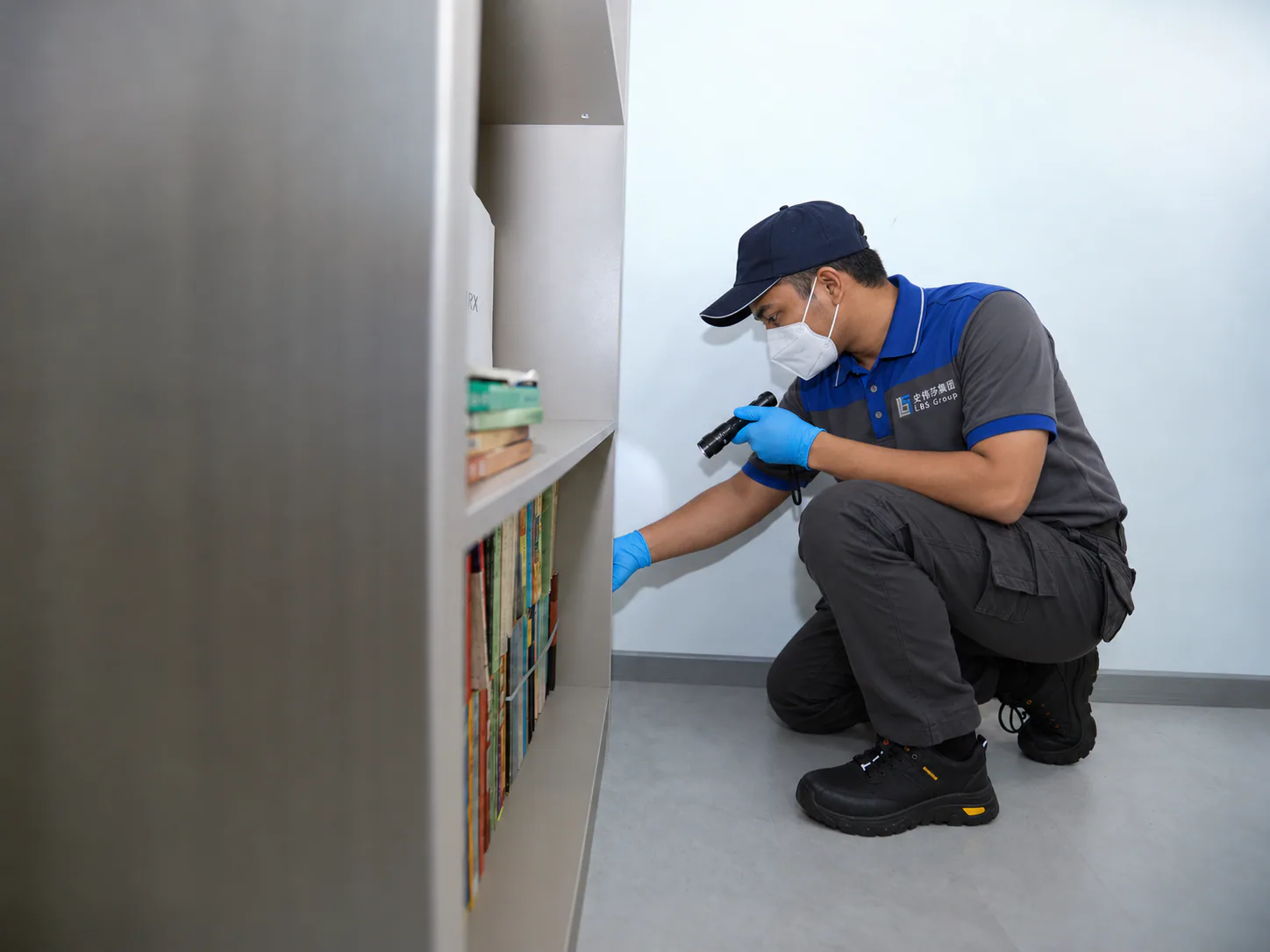
Preparing pest control and hygiene documentation for MeSTI and Halal audits requires maintaining systematic, verifiable logs including service reports, pest sighting records, bait station layout maps, chemical safety data sheets, and daily sanitation checklists. Auditors inspect these records to verify that your food premises actively prevents contamination risks and maintains stringent, traceable hygiene standards.
Regulatory Requirements for MeSTI and Halal Audits in Malaysia
MeSTI and Halal certification schemes in Malaysia mandate comprehensive documentation to prove an establishment controls biological, chemical, and physical hazards. The Ministry of Health oversees the MeSTI (Makanan Selamat Tanggungjawab Industri) programme under the Food Hygiene Regulations 2009, while the Department of Islamic Development Malaysia (JAKIM) governs Halal certification under the Malaysian Halal Management System.
Food manufacturing facilities, central kitchens, and catering establishments must adhere to strict regulatory compliance frameworks. The Ministry of Health Malaysia Food Safety and Quality Division enforces MeSTI as an operational prerequisite for food operations, demanding proven standard operating procedures (SOPs) for pest management and environmental cleaning. Concurrently, guidelines published by JAKIM Halal Hub stipulate that any contamination from pests (najs or biological hazards) invalidates the Halal integrity of food preparation areas.
During audits, inspectors look beyond physical cleanliness; they scrutinise historical records to ensure procedures are implemented continuously rather than staged immediately prior to inspection. Operators must maintain these files systematically on-site for immediate retrieval.
Essential Pest Control Records Required for Compliance
Pest control documentation proves that your facility operates an active, planned preventive programme rather than an ad-hoc response to infestations. Auditors expect clear records linking pest sightings, external service visits, bait station monitoring, and corrective actions taken by licensed personnel to eliminate biological hazards across the premises.
To satisfy regulatory scrutiny, central kitchens and food and beverage operators must assemble a dedicated Pest Management Binder or digital folder containing the following five core elements:
- Pest Control Service Agreement and Schedule: A formal contract outlining the frequency of service, target pests (rodents, cockroaches, flies, and ants), and emergency callback provisions.
- Pest Sighting Logbook: An internal log maintained by floor staff detailing the date, time, specific location, pest type, observed activity, and name of the reporting employee.
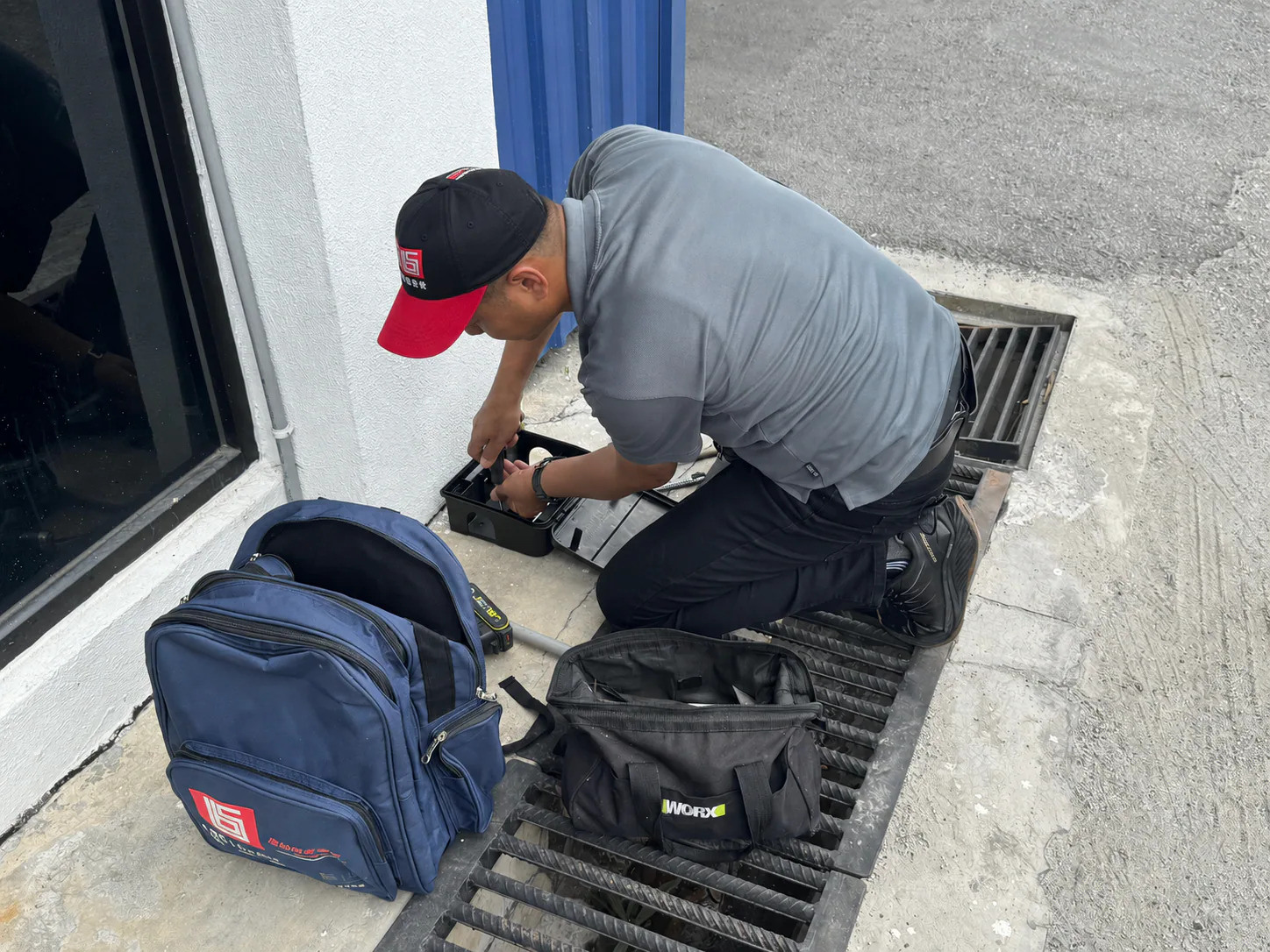
- Facility Pest Layout Map: A numbered floor plan illustrating all indoor and outdoor monitoring devices, including rodent bait stations, mechanical traps, glue boards, and insect light traps (ILTs).
- Service Reports and Monitoring Trend Logs: Detailed service records issued after every technician visit, recording station-by-station inspections, pest catch counts, and identified building defects.
- Pesticide and Chemical Documentation: Safety Data Sheets (SDS), product labels, and evidence of pesticide registration with the Pesticide Board of Malaysia (Lembaga Racun Makhluk Perosak).
LBS Group supports commercial kitchens and industrial food processors by providing comprehensive digital service reports after every visit. These digital records capture service details, site observations, corrective recommendations, and full service histories to satisfy auditor scrutiny without the risk of misplaced physical paperwork.
Key Kitchen Hygiene and Sanitation Documentation
Hygiene documentation verifies that cleaning procedures eliminate residues, pathogens, and chemical cross-contamination across food contact and non-food contact surfaces. Auditors evaluate Master Cleaning Schedules, daily cleaning checklists, chemical dilution charts, and corrective maintenance records to establish that food contact zones remain consistently sanitary.
To ensure audit readiness under kitchen hygiene guidelines, facilities must implement structured sanitation records divided into specific operational tiers:
1. Master Cleaning Schedule (MCS)
The Master Cleaning Schedule governs the entire facility’s sanitation regime. It specifies every piece of equipment and structural area, the cleaning frequency (hourly, daily, weekly, or periodic), the designated cleaning agent, the required contact time, and the personnel responsible.
2. Daily Cleaning and Sanitising Checklists
Floor staff must complete and initial daily checklists across shifts. Key verified areas include:
- Food preparation counters, cutting boards, and cooking appliances
- Exhaust hoods, grease filters, and drainage sumps
- Chillers, freezers, and dry ingredient storage shelving
- Waste management areas, including internal bin sanitisation and external refuse bin yards
3. Chemical Safety and Usage Logs
Auditors inspect chemical storage and usage records. Documented records must confirm that all cleaning chemicals, degreasers, and disinfectants used in food handling zones are food-grade, Halal-compliant, correctly labelled, and diluted according to manufacturer specifications.
4. Waste Disposal and Refuse Records
Both MeSTI and Halal audits examine refuse handling. Maintain scheduled waste disposal agreements, municipal trade waste receipts, and regular cleaning logs for internal and external bin wash areas to prove waste does not accumulate and attract pests.
Comparison: MeSTI vs Halal Audit Documentation
While both certifications share the objective of food safety, MeSTI focuses heavily on basic prerequisite food hygiene under Malaysian law, whereas Halal audits encompass both hygiene (thoyyiban) and religious compliance (halal). Understanding how requirements diverge helps kitchen managers organize documentation efficiently without duplicating effort.
The following table outlines how audit expectations align across key documentation components:
| Compliance Area | MeSTI Audit Requirements | Halal (JAKIM) Audit Requirements |
|---|---|---|
| Primary Audit Scope | Food safety, prerequisite hygiene, prevention of foodborne hazards | Halal integrity, absence of najs, overall cleanliness (halalan thoyyiban) |
| Pest Control Monitoring | Proof of routine monitoring, bait station maps, chemical registration | Proof of routine pest management, zero pest contact with Halal food lines |
| Pesticide Restrictions | Registered under Pesticides Board; no open toxic baits in food zones | Non-toxic monitoring preferred near food; chemical residues strictly prohibited |
| Cleaning Verification | Documented daily cleaning logs, grease trap maintenance records | Cleaning records proving non-Halal residue elimination and clean tools |
| Record Retention | Minimum 1 year of physical or digital monitoring logs | Minimum 1 to 2 years of verifiable records for renewal audits |
| Staff Training Logs | Food Handler Training certificate (LPM) and typhoid vaccination | Halal Awareness training and Food Handler Training records |
Common Non-Conformances and Practical Remediation Steps
Non-conformances in pest and hygiene audits commonly arise from documentation gaps rather than visible infestations on the inspection day. Auditors frequently issue non-conformance reports for missing technician reports, incomplete sighting logs, untracked pesticide usage, or failure to close out structural maintenance actions highlighted during previous inspections.
Follow these sequential steps to establish a compliant, audit-ready operational record:
Step 1: Centralise Documentation into an Audit File
Consolidate all pest control service slips, chemical SDS sheets, operator licences, floor maps, and cleaning checklists into a clearly indexed ring binder or a secure cloud repository. Appoint an internal Hygiene Officer to verify weekly that all daily cleaning sheets have been signed and counter-checked by supervisors.
Step 2: Implement a Responsive Pest Sighting Process
A pest sighting log is only useful if staff record observations and the pest control operator addresses them promptly. When staff document rodent droppings or insect sightings, ensure the technician records the specific corrective action taken during their next visit, creating an audit trail of problem resolution.
Step 3: Audit Physical Devices Against the Site Map
Conduct a monthly internal walk-through to ensure the numbered floor plan matches the exact physical locations of all rodent bait boxes, fly catchers, and glue boards. If kitchen renovations move an insect light trap, update the map immediately. Missing or unlabelled traps listed on the diagram represent an instant audit non-conformance.
Step 4: Validate Corrective Actions for Structural Defects
Service reports often highlight physical vulnerabilities such as broken door sweeps, damaged drainage covers, or gaps around piping. Auditors read technician recommendations; if a report noted a gap beneath a kitchen door three months ago and it remains unsealed, the facility risks immediate audit penalties for negligence.
Enhancing Traceability with Digital Pest and Hygiene Systems
Digital pest monitoring systems and electronic service records reduce documentation errors by eliminating paper logs prone to grease, water damage, or loss. Automated records ensure timestamped monitoring, clear trend analysis charts, and tamper-proof reporting that satisfy both local food safety inspectors and corporate compliance audits.
Paper documentation stored in busy commercial kitchens often suffers from water splashes, oil degradation, or missing signature sign-offs. Modern commercial facilities increasingly rely on automated tracking systems to record inspection data accurately.
For facilities managing high pest risks, advanced technologies improve data integrity. LBS Group’s IoT Rodent Management Series combines smart infrared sensors, smart rodent traps with real-time notifications, frequency-based repellent devices, and digital activity reporting. These automated systems log rodent capture timestamps and device activity digitally, supplying food safety managers with precise, tamper-evident trend reports during third-party certification audits. By pairing technological solutions such as targeted rodent control with digital audit trails, central kitchens maintain complete operational oversight.
Preparing for Your Next Audit
Maintaining audit-ready documentation protects your operational licences, prevents costly audit delays, and demonstrates a genuine commitment to food safety. Whether you operate a single restaurant or oversee a multi-site central processing facility, consistent pest monitoring records and sanitisation schedules provide the backbone of regulatory compliance.
If you need assistance reviewing your facility’s pest logs, establishing bait station mapping, or upgrading to digital service reports, LBS Group can assist. Request a free inspection with our hygiene and pest management specialists, or contact us directly on WhatsApp at 0122950573 to discuss your audit readiness requirements.