Preventing Mosquito Breeding in Office Buildings During Malaysia’s Monsoon
13 November 2026
Mosquito breeding can be effectively prevented in office buildings during the monsoon by eliminating standing water, sealing entry points, maintaining regular cleaning, and engaging professional pest‑control services that provide digital monitoring and rapid response.
Identify Common Breeding Sites in Office Buildings
Mosquitoes need standing water to lay eggs, and office buildings often hide such habitats in unexpected places. During the monsoon, rain can turn minor leaks or poorly maintained containers into productive breeding sites, increasing the risk of dengue and other mosquito‑borne diseases.
- Leaky air‑conditioning condensate trays – water collects in trays beneath indoor units.
- Plant saucers and decorative fountains – especially if they are not emptied regularly.
- Roof gutters and downspouts – blocked or damaged gutters retain water.
- Restroom floor drains – slow‑flowing or clogged drains create stagnant pools.
- Underground parking and service pits – low‑lying areas may hold rainwater.
- Unused kitchen equipment – dishwashers, ice‑making machines, and water dispensers can leak.
- Construction sites or renovation zones – temporary water‑holding containers are common.
Regular inspections, especially after heavy rain, are essential to spot these sites before mosquitoes can colonise them.
Structural Maintenance and Water Management
A proactive maintenance programme stops water accumulation before it becomes a breeding ground. By fixing leaks, improving drainage, and installing protective measures, offices can dramatically reduce mosquito habitats during the rainy season.
Step 1 – Conduct a pre‑monsoon audit
- Inspect roof membranes, guttering, and downspouts for cracks or blockages.
- Test all air‑conditioning condensate lines for proper flow.
- Verify that floor drains have adequate pitch and no debris.
Step 2 – Implement engineering controls
- Install gutter guards to prevent leaf build‑up.
- Fit drip trays with covers on condensers.
- Use self‑draining plant pots or add sand layers to saucers.
- Seal gaps around windows, doors, and service penetrations with weather‑proof caulk.
Step 3 – Routine water removal
- Empty and scrub plant saucers at least twice weekly.
- Drain and clean rooftop water tanks after each heavy rain.
- Schedule weekly checks of underground pits and ensure pumps operate correctly.
These actions align with the Malaysian Ministry of Health’s recommendation to eliminate standing water to curb dengue transmission (see https://www.moh.gov.my).
Hygiene Practices and Cleaning Protocols
Consistent cleaning removes organic matter that attracts female mosquitoes for egg‑laying and reduces the likelihood of larval development. A structured cleaning schedule, combined with proper waste management, creates an unfriendly environment for mosquitoes.
- Daily floor mopping – use a disinfectant that also breaks down organic residues.
- Weekly deep cleaning of restrooms – focus on under‑sink trays and floor drains; consider using the Restroom Hygiene service for specialised attention.
- Monthly inspection of kitchen areas – clean under appliances, check for hidden leaks, and ensure waste bins are tightly sealed.
- Bi‑weekly removal of stagnant water from decorative fountains; replace water with fresh, treated water each time.
- Proper waste segregation – dispose of food waste promptly to avoid attracting adult mosquitoes.
Integrating these tasks into the building’s Periodic Cleaning programme ensures that hygiene standards are maintained throughout the monsoon.
Monitoring, Professional Intervention and Digital Reporting
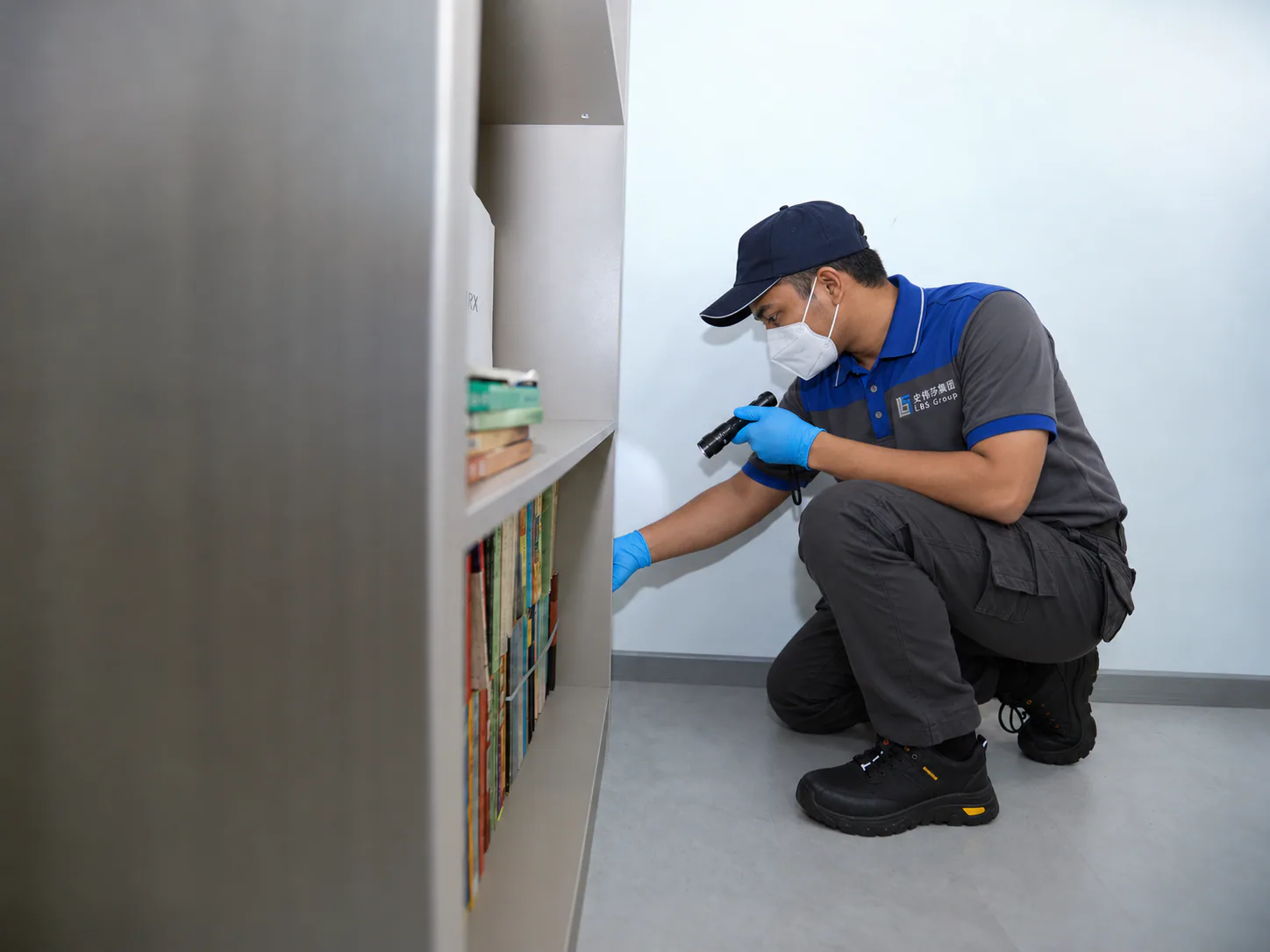
Even with rigorous internal measures, occasional breeding may occur. Professional pest‑control services provide targeted treatments, continuous monitoring, and detailed digital reports that help facility managers track actions and outcomes.
LBS Group offers a dedicated Mosquito Control service that includes:
- Site‑specific larvicide applications in identified water bodies.
- Installation of smart mosquito traps that send real‑time alerts to a central dashboard.
- A digital service report after each visit, documenting observations, corrective actions, and service history.
Comparison of Indoor vs. Outdoor Control Methods
| Feature | Indoor Control (e.g., traps, larvicides) | Outdoor Control (e.g., fogging, larvicide tablets) |
|---|---|---|
| Target stage | Larvae & adult mosquitoes inside building | Larvae in stagnant outdoor water, adult flight zones |
| Frequency | Weekly or after rain events | Bi‑weekly or as per weather forecast |
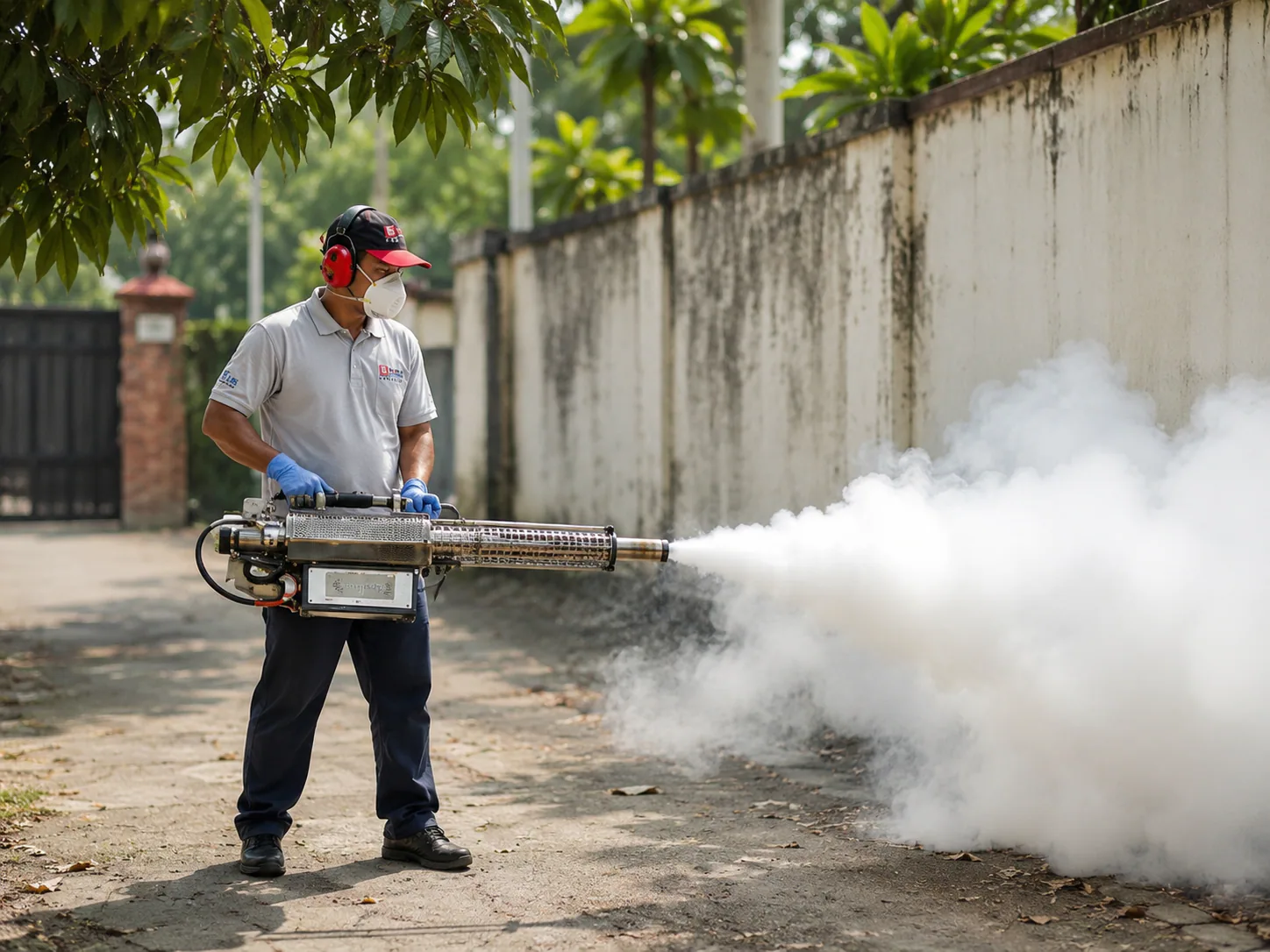
| Disruption to occupants | Minimal – silent traps | Possible – fogging may require temporary evacuation |
| Cost (relative) | Lower to moderate | Moderate to higher |
| Monitoring requirement | Real‑time digital alerts (IoT) | Visual inspection and environmental checks |
Engaging LBS Group ensures that every service visit is recorded in a digital report, providing a clear audit trail for compliance with workplace health standards. Facility managers can request a free inspection via the Contact page or reach out on WhatsApp (0122950573).
Sources and Further Reading
Employee Awareness and Reporting
Staff participation is a critical layer of defence. When employees understand where mosquitoes breed and how to report issues, the response time improves dramatically.
- Training sessions – brief all employees at the start of the monsoon on common breeding sites and simple preventive actions.
- Visible signage – place reminder stickers near sinks, plant areas, and waste bins encouraging immediate reporting of leaks.
- Reporting channel – use a dedicated email (admin@lbsgroup.com.my) or a WhatsApp line for quick incident logging.
- Feedback loop – management should acknowledge reports and communicate the corrective actions taken, reinforcing the importance of vigilance.
The World Health Organization notes that community engagement is essential for effective dengue control (see https://www.who.int/news-room/fact-sheets/detail/dengue-and-severe-dengue). By fostering a culture of awareness, offices can reduce mosquito populations faster than relying on chemical control alone.
If you need a professional assessment of your office’s mosquito risk, request a free inspection today or contact LBS Group on WhatsApp at 0122950573. Our integrated pest‑management and hygiene solutions keep your workplace safe throughout the monsoon.