Why Malaysian Eateries Get Closed Under Section 11 of the Food Act 1983: What to Fix
19 November 2026
Malaysian eateries are closed under Section 11 of the Food Act 1983 when health officers find the premises insanitary enough to endanger public health. That usually means rats, cockroaches or flies in the kitchen, droppings near food, filthy floors and equipment, badly kept grease traps and careless food storage. Almost all of these can be fixed before an inspector arrives.
What Section 11 of the Food Act 1983 allows
Section 11 lets an authorised officer order an insanitary food premises to close for a period of up to 14 days. You get no warning period. The order can be served during the inspection itself, and you can only reopen once the problems have been put right to the officer’s satisfaction.
Recent closure reports from Kuala Lumpur, Penang, Johor Bahru and Ampang Jaya show how enforcement works in practice:
- District health offices issue Section 11 orders. These often follow joint operations with the local council. The findings that keep coming up are cockroaches, flies, rats, damaged kitchen equipment and poorly maintained grease traps.
- Local councils have closure powers of their own. Councils such as DBKL can also close outlets under their food establishment licensing by-laws, separately from the Food Act.
- A closure may come with a compound. Officers can also offer compounds under Section 32B of the Food Act for breaches of the Food Hygiene Regulations 2009. These can be issued alongside a closure or in its place.
- Complaints decide who gets a visit. Public complaints, earlier inspection results and low hygiene grades all influence which premises are inspected. A single social media post about food poisoning can bring officers to your door.
Section numbers, penalties and procedures can change, and councils enforce their own by-laws. Always check the current text of the Act and the Regulations through the Ministry of Health Malaysia and your district health office. Ask your local council what applies to your premises as well. This article is general guidance, not legal advice.
What inspectors check during a food premises visit
Inspectors assess the whole operation. They look at pest activity, cleanliness, the condition of equipment and the building, drainage, food storage and whether each food handler meets the rules. One serious finding, such as an active rat infestation, can justify a closure on its own. Several smaller failures together can lead to the same result.
| Failure | What the inspector sees | What to fix before the visit |
|---|---|---|
| Rodent activity | Droppings, gnaw marks, grease smears along walls, live or dead rats | Seal entry gaps, remove food sources, get professional rodent control |
| Cockroaches | Live insects behind equipment, egg cases, droppings in cracks | Deep-clean hiding places, seal cracks, book targeted treatment |
| Flies | Flies over food, open bins, uncovered drains | Cover food and bins, install fly control units, remove breeding sites |
| Dirty kitchen | Greasy floors and walls, food residue on equipment, sticky exhaust hoods | Daily cleaning plus scheduled deep cleaning |
| Grease trap | Missing, overflowing or smelly trap, blocked drains | Install where required, empty on a fixed schedule, keep a log |
| Food storage | Raw and cooked food together, food on the floor, uncovered containers | Shelving off the floor, lidded and labelled containers, orderly chillers |
| Staff compliance | Missing typhoid vaccination or training records, no apron or head cover, long fingernails | Check every food handler’s records, enforce the dress code |
Pest failures: rats, cockroaches and flies
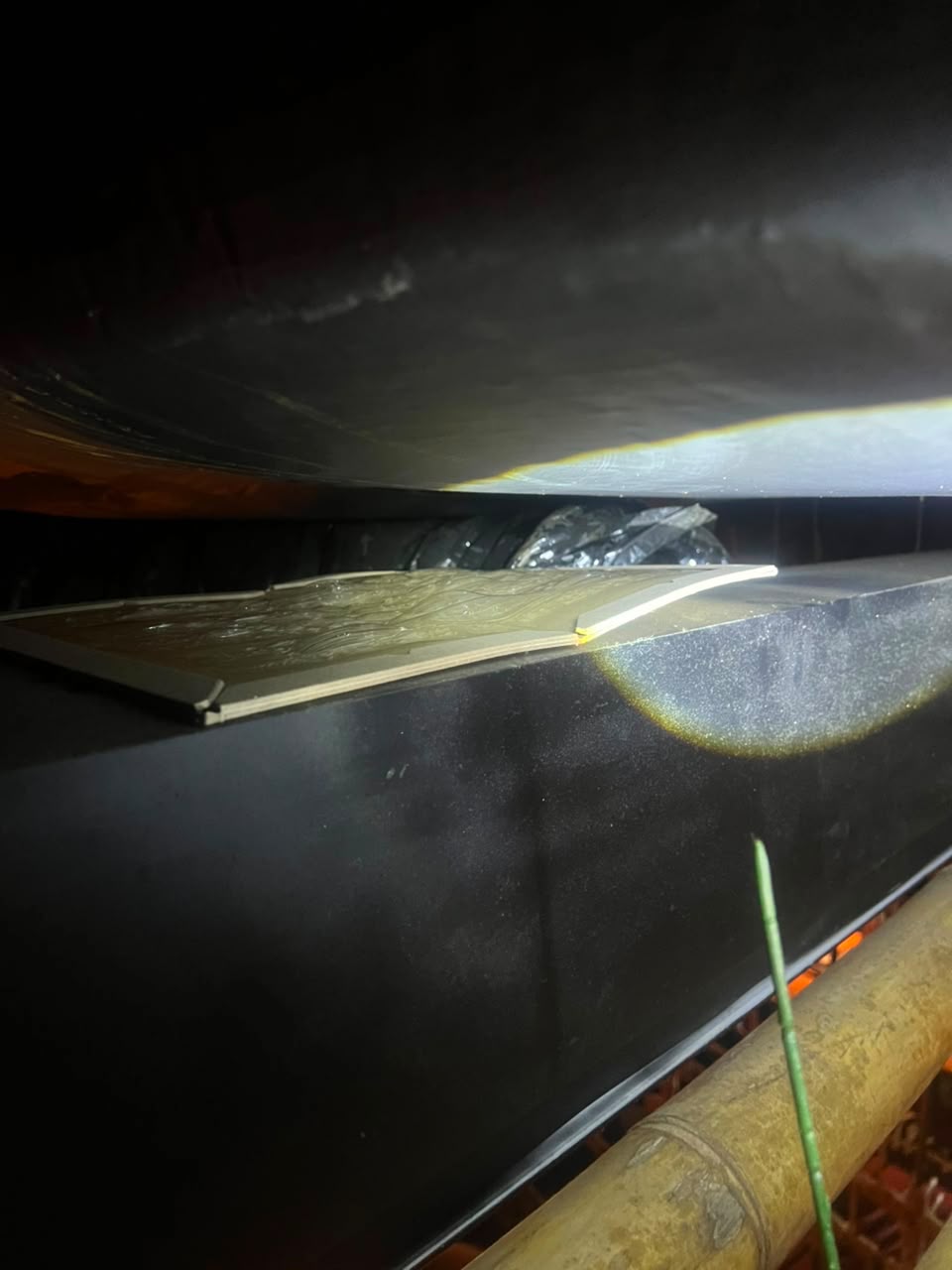
Pests are the most visible reason for a closure because they show that food may already be contaminated. Inspectors look beyond the dining area into stores, drains, ceiling voids and the gaps behind cooking equipment. A quick spray just before a visit rarely helps, because droppings, egg cases and gnaw marks remain as evidence.
The WHO food safety fact sheet explains why unsafe food is treated as a serious public health risk. That is why inspectors take any sign of pests near food so seriously.
Rats
Back lanes, refuse areas and open drains draw rats towards a premises. They then get in through gaps around pipes, under doors and through damaged ceiling boards. Look for:
- Fresh droppings along walls, on shelves and in dry stores
- Gnawed packaging, cables or wooden fittings
- Dark grease marks along regular runways
- Gaps around service pipes, doors and drain openings
Effective rodent control combines proofing, hygiene and monitoring, not just bait. LBS Group’s IoT Rodent Management Series uses smart infrared sensors and smart rodent traps with real-time notifications, along with frequency-based repellent devices and digital activity reporting. This shows you where rodents are active, so you can act before an inspector finds the evidence.
Cockroaches
Cockroaches shelter in warm, damp places near food, such as under sinks, inside equipment motors, behind loose wall tiles and in drain covers. If you see cockroaches in daylight, there is often a much larger population hidden away. Clear clutter, repair leaking taps and seal cracks. Schedule regular cockroach control treatments rather than waiting until you see them.
Flies
Flies breed in rotting food waste, wet refuse and dirty drains. To control them:
- Keep bins lidded and empty them at least once a day
- Clean drain gratings regularly
- Keep doors closed or screened
- Fit indoor fly control units near entrances and food preparation areas
Kitchen, grease trap and storage failures
A dirty kitchen is a build-up of grease, food residue and standing water caused by irregular or surface-only cleaning. Inspectors check floors, walls, ceilings, exhaust hoods, chillers and drains. They pay close attention to grease traps, because a neglected trap blocks drains, causes smells and attracts both rats and cockroaches.
Kitchen surfaces and equipment
- Clean floors, walls and work surfaces daily, including behind and under equipment
- Degrease exhaust hoods and filters on a regular schedule
- Repair or replace broken equipment, cracked tiles and damaged ceiling boards
- Keep a dedicated hand-washing sink stocked with soap and paper towels
Grease traps
- Confirm whether your local council requires a grease trap for your premises
- Empty and clean it on a fixed schedule that suits your cooking volume
- Use a contractor who disposes of grease waste in line with council requirements
- Keep a simple log of dates and who did the work
Food storage
- Store food on shelves or pallets, never directly on the floor
- Keep raw and ready-to-eat food apart, and cover and label every container
- Keep chillers and freezers clean, organised and in working order
For heavy grease and hard-to-reach areas, scheduled kitchen hygiene services support the daily cleaning your own staff do.
Staff and paperwork inspectors ask for
Inspectors check your people and your records as closely as your kitchen. Officers ask for typhoid vaccination and food handler training records for the people who handle food. They also look at what staff wear and how they behave at work. In closure reports, missing certificates, uncovered hair and long fingernails often appear alongside pest findings.
The Food Hygiene Regulations 2009 cover areas including:
- Registration of food premises
- The duties of the proprietor, owner or occupier
- Food handler training
- Medical examination and the health of food handlers, including typhoid vaccination
- Food handlers’ clothing and personal hygiene
- Keeping food premises clean
- Handling food and appliances
Keep copies of every food handler’s certificates on the premises. Check expiry dates monthly and again whenever a new person joins. Confirm the current vaccination and training requirements with your district health office, because these details can change.
A 7-day pre-inspection plan
A pre-inspection plan is a short, structured audit to find and fix what inspectors look for before they arrive. Run it now and repeat it every month. Inspections are often unannounced and can be triggered by a single complaint, so assume an officer could walk in on any trading day.
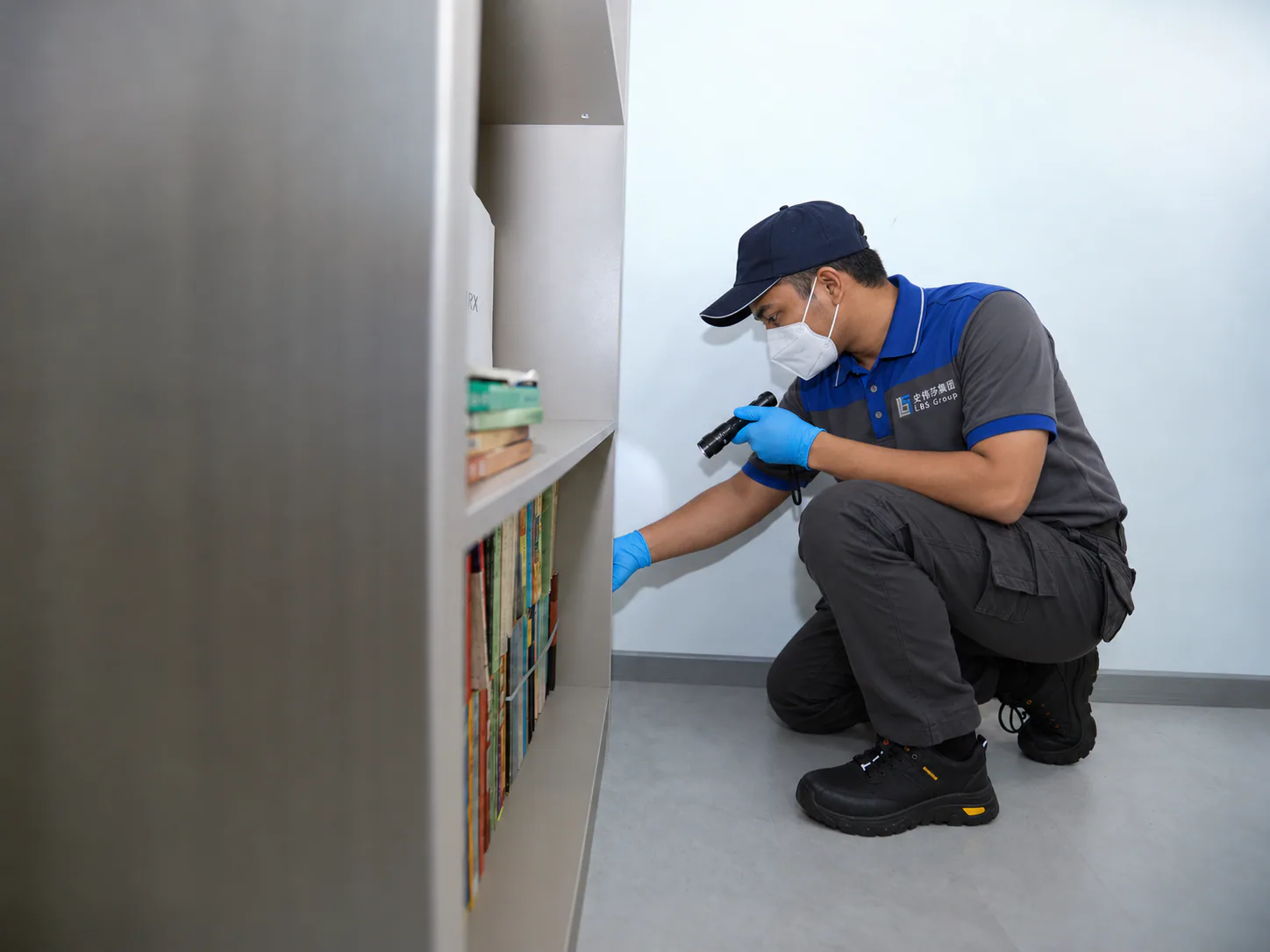
Step 1 (Day 1): Walk the premises like an inspector. Use a torch to check stores, drains, ceiling voids and the gaps behind equipment. Photograph every problem you find.
Step 2 (Day 1): Check every food handler’s documents. List any missing or expired vaccination or training records and arrange replacements.
Step 3 (Days 2–3): Bring in professional pest management. Ask for a full inspection, treatment of any rats, cockroaches or flies, and written proofing recommendations.
Step 4 (Days 2–4): Seal and repair. Close gaps around pipes and doors, fit door sweeps, and replace broken tiles and ceiling boards.
Step 5 (Days 3–5): Deep-clean. Degrease hoods, floors, walls and drains, then empty and clean the grease trap.
Step 6 (Day 6): Reorganise storage. Lift food off the floor, separate raw from cooked food, and label and cover every container.
Step 7 (Day 7): Set routines and records. Introduce daily cleaning checklists, waste schedules and a pest management file you can show an officer.
If you have already received a closure notice
Comply immediately and read exactly what the notice requires. Fix each item and keep dated photographs of the work. Ask the issuing office how re-inspection works. Your pest management and cleaning records will help show that the problems have been properly resolved.
Get your premises inspection-ready with LBS Group
LBS Group began with professional pest management in 1998. It now brings pest management, hygiene solutions, air purification and ambient scenting together for homes and businesses such as F&B outlets, hotels and factories. In Malaysia, we have branches in Kuala Lumpur, Penang, Ipoh, Melaka, Johor and Pahang.
Every visit is recorded in a digital service report that sets out service details, site observations, corrective actions and service history. That means you have organised records ready when an officer asks.
Request a free inspection or WhatsApp us on 0122950573. We are open Monday to Friday, 9:00 AM–6:00 PM, and Saturday, 9:00 AM–1:30 PM.