Why Cockroaches Keep Coming Back - and How to Stop the Cycle
1 October 2026
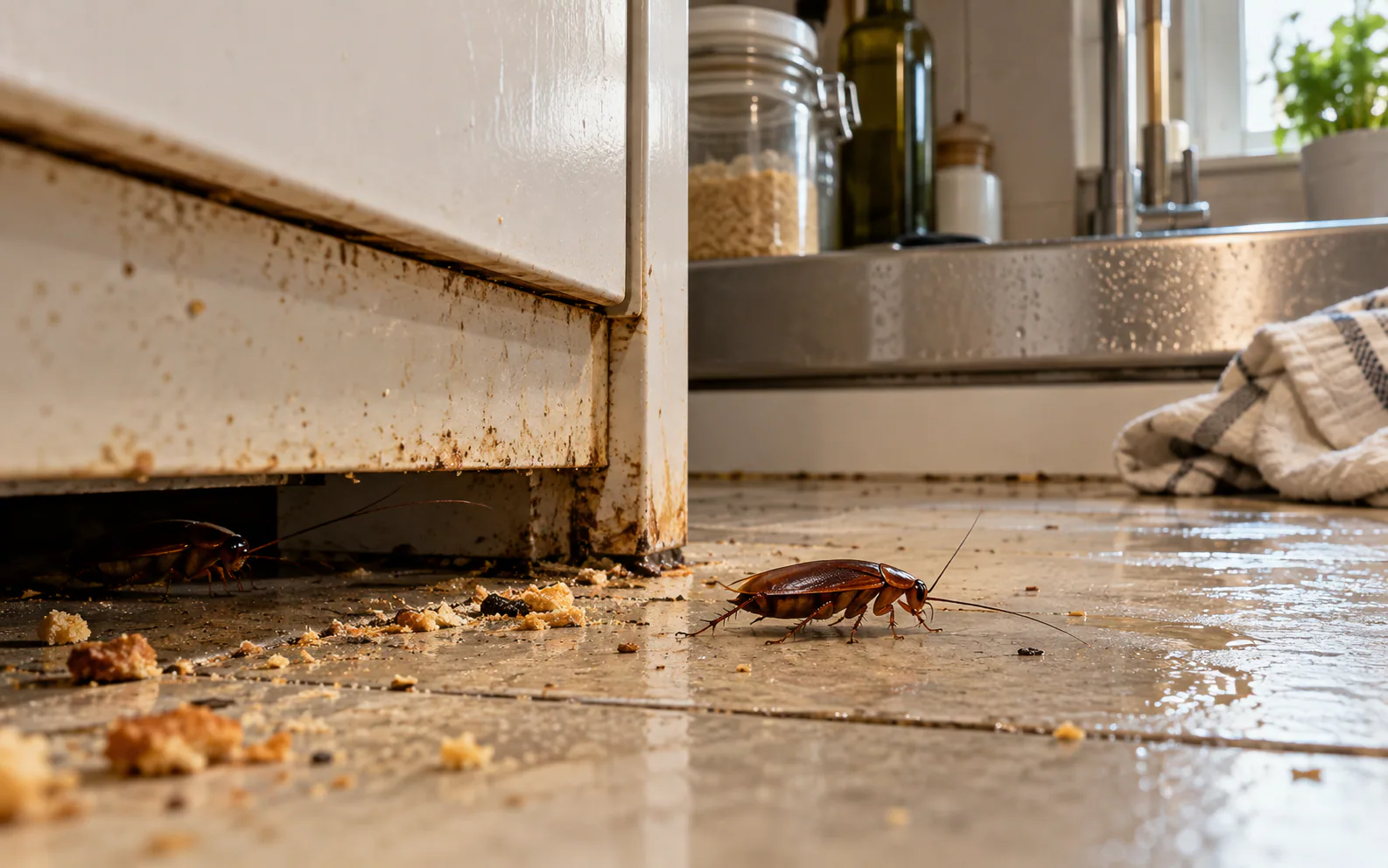
You clean the kitchen, spray the visible cockroaches and the problem seems to disappear. Then a few days or weeks later, they are back. Recurring cockroach activity is common because the insects you see are often only part of the population. Cockroaches can hide in cracks, equipment voids, drains, cabinets and other protected areas where food, moisture and warmth are available.
Quick Answer: Why Do Cockroaches Keep Coming Back?
Cockroaches usually return because one or more conditions still support them: access to food, water, harbourage, entry routes or untreated breeding areas. A lasting programme needs to combine inspection, sanitation, targeted treatment, exclusion, monitoring and follow-up instead of relying only on repeated surface spraying.
The usual reasons are:
- Food residue that is still available
- Moisture from leaks, drains or wet areas
- Harbourage areas that were left untreated
- Egg cases that survived the first treatment
- Entry points that are still open
- Treatment that does not reach the right places
- No monitoring after treatment
1. Food Is Still Available
Small food residues can support cockroach activity. Crumbs, grease film, spills, open ingredients, waste bins and residue beneath equipment can all become feeding sources. In commercial kitchens, the problem is often not obvious on the main worktop but hidden below cooking lines, inside equipment gaps and around drains.
2. Moisture Gives Them What They Need
Cockroaches need water as well as food. Leaking pipes, condensation, wet floor drains, damp cleaning areas and standing water around equipment can keep a population established even when the visible space looks clean.
3. Harbourage Areas Are Left Untreated
Many cockroach species prefer tight cracks and protected spaces. They may hide behind refrigerators, inside cabinets, under counters, around electrical trunking, behind wall panels or within equipment. Killing the cockroaches that move into open areas does not necessarily reach those hidden harbourages.
4. Egg Cases Survive the First Treatment
Depending on the species and treatment method, egg cases can remain protected while adults and nymphs are reduced. New cockroaches may appear later, making it look as though the treatment failed. This is one reason follow-up monitoring and additional treatment may be needed.
5. Entry Points Are Still Open
Cockroaches can enter from neighbouring units, delivery areas, drains, service penetrations and gaps around doors or pipework. In multi-unit buildings and commercial premises, repeated reinfestation can occur if these routes remain open.
6. The Treatment Is Not Reaching the Right Places
Broad spraying is not always the best way to manage cockroaches. A professional programme may use gel baiting, residual treatment, monitoring traps and misting where appropriate. The important point is placement: the treatment should target harbourage areas, travel routes and activity zones identified during inspection.
7. There Is No Monitoring After Treatment
A cockroach programme should not end when sightings stop. Monitoring traps and follow-up inspections help show whether activity is decreasing, where hotspots remain and whether treatment needs to be adjusted. Trend information is particularly useful in F&B, hotels, factories and other sites where pest activity can affect hygiene standards.
Causes and Fixes at a Glance
| Why they come back | What helps |
|---|---|
| Food is still available | Clean below equipment, cooking lines and drains; store food closed |
| Moisture | Fix leaks and dry wet areas, especially at night |
| Untreated harbourage | Inspect cracks, voids, motors and equipment gaps |
| Egg cases survive | Plan follow-up visits that cover the hatching period |
| Open entry points | Seal gaps, pipe penetrations and drain openings |
| Treatment in the wrong places | Target where cockroaches hide, not only where they are seen |
| No monitoring | Use monitors to confirm activity is falling |
How to Break the Cockroach Cycle
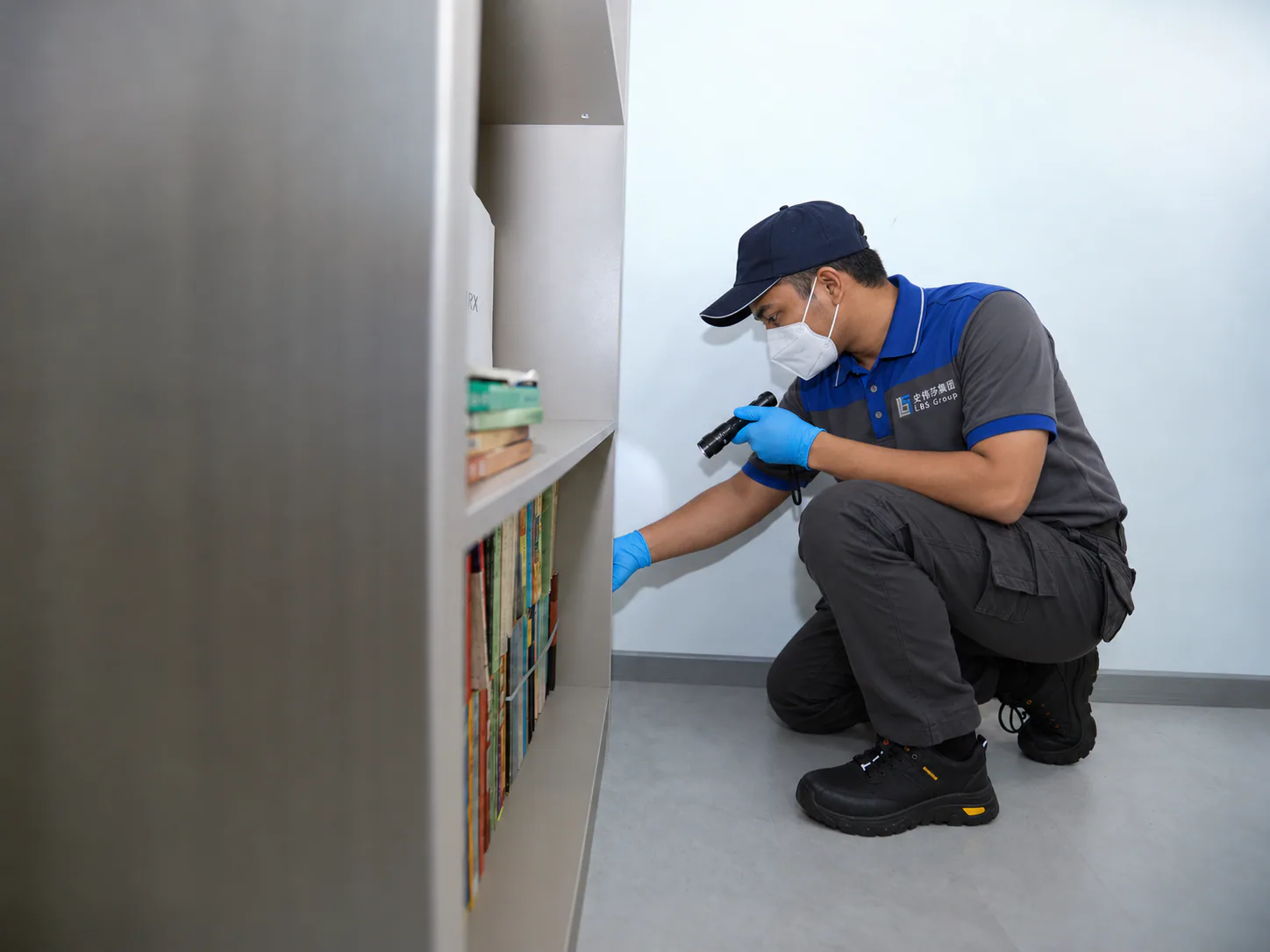
Start with a detailed inspection to locate harbourage areas, egg cases, moisture sources and entry routes. Improve sanitation around food and waste. Seal gaps where practical. Apply targeted treatment to the right locations. Then monitor the site and review the results. If activity remains, the programme should be adjusted rather than simply repeating the same treatment.
This combined approach is known as integrated pest management (IPM). The US Environmental Protection Agency describes IPM principles as an effective, environmentally sensitive approach that relies on a combination of common-sense practices. For food premises in Malaysia, the Food Hygiene Regulations 2009 under the Food Act 1983 also include requirements for pest control.
What a Professional Cockroach Programme May Include
Depending on the site, a programme may combine gel baiting, residual spraying, ULV or aerosol misting where appropriate, monitoring stations, exclusion recommendations and follow-up visits. The exact combination should be based on the species, infestation level and operating environment.
Need Help With Recurring Cockroach Activity?
LBS Group provides targeted cockroach management for homes and businesses, combining inspection, treatment, monitoring and follow-up based on site conditions and pest activity.