A Customer Filmed a Rat in Your Restaurant: What to Do in the First 24 Hours
22 November 2026
If a customer has filmed a rat in your restaurant, act on the same day: isolate and inspect the affected area, throw away exposed food, call in professional pest control, deep clean the kitchen, seal the gaps rodents are using and keep dated records of every step. Those records show an inspector what you did and when.
What is the 24-hour action plan after a customer films a rat?
The plan has five parts: contain the risk to food, find out how big the problem is, bring in pest control, clean and proof the premises, then document everything. The first hour is about food safety and your team. The rest of the day is about fixing the cause, not just the clip.
| Time window | Priority | What to record |
|---|---|---|
| Hour 0–1 | Discard exposed food, close off the area, brief staff | Food thrown away, area closed, time |
| Hours 1–4 | Check for rodent and cockroach activity, call pest control | Photos of droppings, gnaw marks, entry points |
| Hours 4–12 | Professional inspection and treatment, start the deep clean | Pest control service report, cleaning checklist |
| Hours 12–24 | Seal entry points, reset daily routines, compile your file | Repair photos, signed logs, incident summary |
The first hour
- Step 1: Study the video. Note where the rat was (display warmer, counter, dining area, kitchen floor), the time and which way it ran. That tells you where to start looking.
- Step 2: Discard exposed food. Anything uncovered in or near that spot goes, including display items, opened ingredients and food on prep surfaces. When in doubt, throw it out, and write down what you discarded.
- Step 3: Close off the area. Stop using that station until it has been inspected and cleaned. If the rat was in the main kitchen and you cannot be sure the food is safe, pausing service is better than carrying on.
- Step 4: Brief your team. Pick one person to handle public responses. Staff should not post or argue online.
- Step 5: Respond briefly and factually. Thank the customer, say what you are doing (pest control called, deep clean under way) and avoid blaming neighbours or the customer. Do not delete the comments.
How do you check for rat and cockroach activity after a sighting?
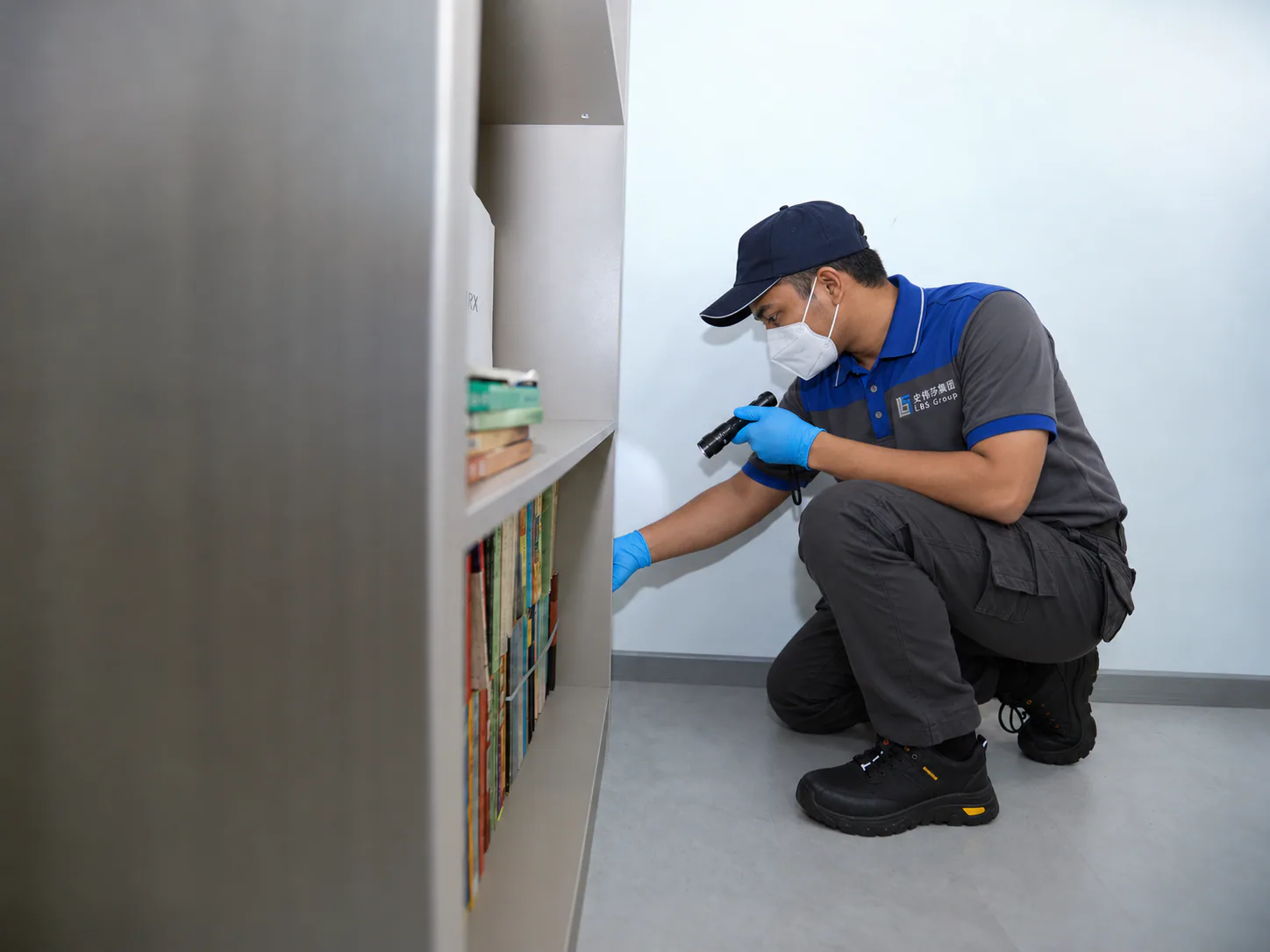
A rat seen during trading hours usually means activity you have not noticed. After closing, use a torch to check along walls, behind and under equipment, in dry stores, ceiling voids and the bin area. Look for droppings, gnaw marks, grease smears and nesting material, and photograph everything you find.
| Sign | Where to look | What it suggests |
|---|---|---|
| Droppings | Along skirting, under shelving, in dry stores | Active rodents and their travel route |
| Gnaw marks | Rice and flour sacks, plastic tubs, cables | Feeding on stock or damaging wiring |
| Dark grease smears | Wall edges, around pipe openings | A regular runway |
| Shredded paper or cardboard | Behind fridges, motor housings, ceilings | A possible nest nearby |
| Cockroaches, egg cases, pepper-like droppings | Under sinks, door hinges, inside equipment, drains | Cockroach hiding places |
Do not stop at rats. In our own service reports from 46 commercial premises in Melaka and Johor, cockroaches were treated at 45 of 46 premises, ants at 44, and rats or mice at 43, so when you find one pest, check for the others too. For a fuller checklist, see our guide on how to detect rodent activity before you see one.
Wear gloves while you check. Do not sweep or vacuum droppings dry; wet them with disinfectant first, then wipe and bag them.
When should you call professional pest control?
Call on the same day, before the next service if possible. A rodent in a food area means rodents are already getting in, and traps from a hardware shop will not find the cause. A professional inspection works out where the rats get in, where they shelter and which treatment is safe to use around food.
A proper visit for a food business should include:
- An inspection inside and outside, including the back lane, bin area, drains and ceiling spaces
- Rodent control using tamper-resistant bait stations, traps and glue boards placed away from food
- Cockroach control with gel baiting and targeted treatment of cracks and hiding places
- Written proofing and hygiene recommendations
- A dated report you can show an inspector
That last point matters more than many operators realise. Every LBS Group service visit is recorded in a digital service report that covers service details, site observations, corrective actions and service history. For sites where rats keep coming back, our IoT Rodent Management Series combines smart infrared sensors, smart rodent traps with real-time notifications, frequency-based repellent devices and digital activity reporting. This gives you evidence of whether activity has actually stopped.
Avoid spraying household insecticide near food or setting out loose rat poison yourself. Both can contaminate food and make professional treatment harder.
How should you deep clean a kitchen after a rodent sighting?
A deep clean removes the contamination left by rats and cockroaches and the food that drew them in. Work from top to bottom, move equipment to reach behind and underneath, clean and then sanitise every food-contact surface, and get rid of damaged stock. Then keep the improvement going with a daily routine.
- Sort your stock. Throw away food with gnawed or torn packaging and anything stored on the floor.
- Deal with droppings safely. Wet, wipe and bag them, wearing gloves.
- Pull out equipment. Degrease behind and under fryers, fridges and shelving, and clean the joints between floor and wall.
- Clean, then sanitise. Include display cabinets, food warmers, utensils and prep tables.
- Clear drains and floor traps. Food residue in drains feeds pests overnight.
- Store food properly. Use sealed containers, kept off the floor.
- Reset the bin area. Wash the bins, make sure lids close and remove waste at the end of each day.
Leave bait stations and traps where your pest control provider put them. Moving them during cleaning undoes the treatment.
Our technicians also write this advice for customers in their service reports: clean every day, especially the kitchen, and make sure no food is left out. Rice left in a pot, uncovered sauces and crumbs under the counter are enough to keep rats coming back, however good the treatment. If your team needs support, our kitchen hygiene services cover the deep clean and the routine that follows it.
Which entry points should you seal first?
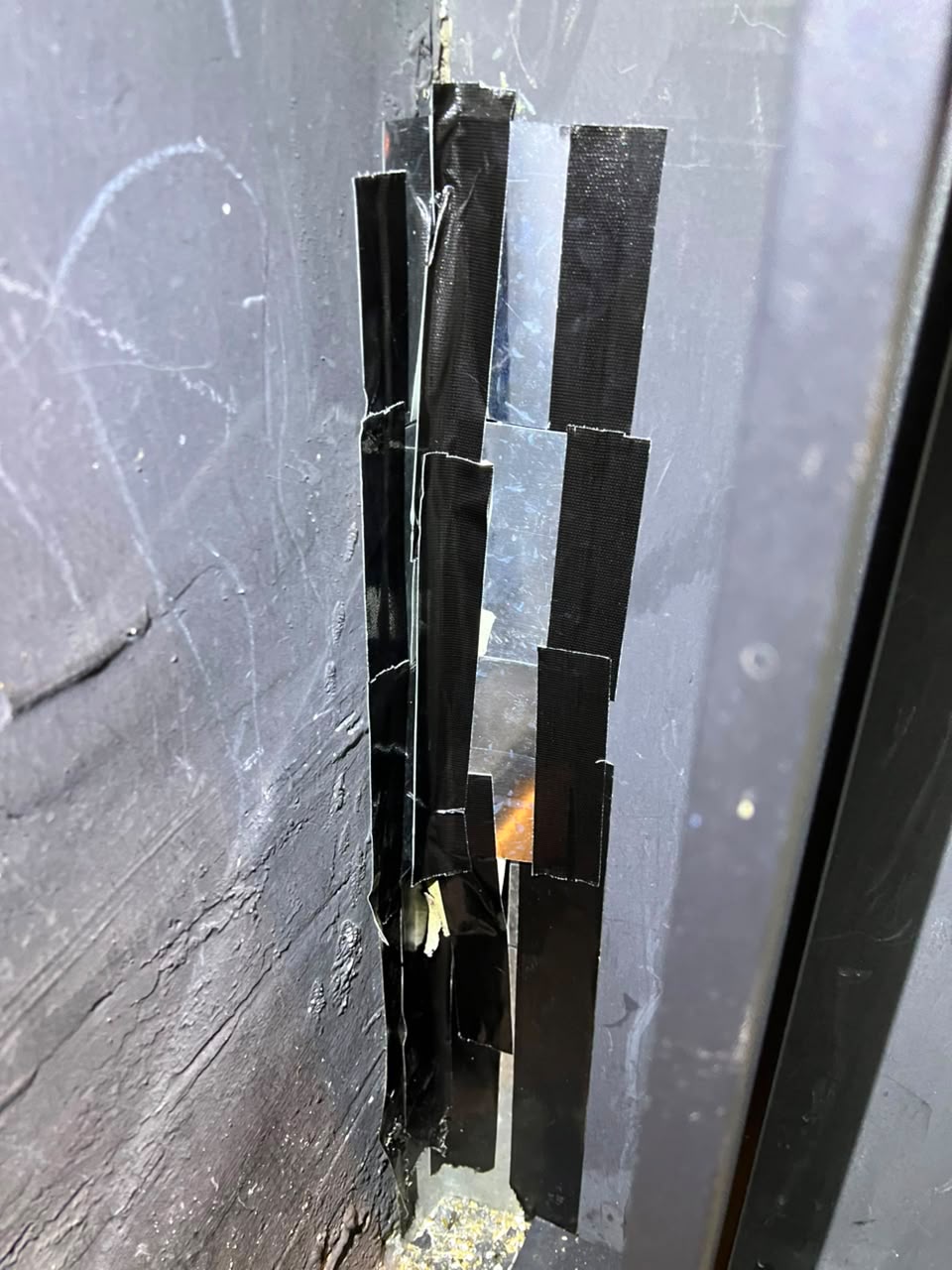
Start where rats most often come in: the back entrance, the rubbish bin area and the drains. Then work inwards to gaps around pipes, cables and ceilings. Rodents can squeeze through very small openings, so treat any gap you can see light through as a possible entry point.
One piece of advice our technicians have written for customers is to close the door gap at the back entrance, near the rubbish bin area. Bins attract rats, the door is opened all day for deliveries and waste, and a gap under it lets them in after closing.
| Entry point | Practical fix |
|---|---|
| Gap under the back door | Fit a door sweep or brush strip and keep the door shut when not in use |
| Floor traps and drains | Keep covers and gratings fixed in place |
| Pipe and cable openings | Seal with chew-resistant materials, not foam alone |
| Ceiling access panels | Close and repair gaps in false ceilings |
| Vents and wall cracks | Fit mesh and repair cracks |
In shophouses and malls, some gaps lead into shared areas. Report these to your landlord or building management in writing and keep a copy.
What records will a health inspector want to see?
Inspectors look for proof that you control pests and clean as a matter of routine, not only after a complaint. Keep pest control reports, signed cleaning schedules, notes on what you fixed and what food you threw away, and photos of repairs. Check current requirements under the Food Act 1983 and Food Hygiene Regulations 2009 with the Ministry of Health.
Viral clips can lead to inspections. In October 2026, Berita RTM reported that the Kedah State Health Department closed a food premises in Kulim under Section 11 of the Food Act 1983 after a delivery rider’s complaint spread online. Inspectors rated its cleanliness at only 37.5 per cent, found rat droppings, flies and dirty floors, walls and equipment, and issued a compound notice under the Food Hygiene Regulations 2009.
Keep one file, paper or digital, ready to hand over:
- Pest control service reports, including the visit after the incident
- A map of bait stations and monitoring points
- Daily cleaning checklists signed by staff
- An incident log: date, time, what was seen, food discarded, actions taken
- Before-and-after photos and invoices for proofing work
- Your premises registration and staff food handler records
LBS Group is ISO 9001 Quality Management certified and a member of the Malaysia Pest Management Association (MPMA). Our digital service reports, with their site observations and corrective actions, can go straight into this file. To see what typically leads to a closure order, read why Malaysian eateries get closed under Section 11 and what to fix. If you receive a closure order or notice, follow its instructions and get proper advice on your obligations.
Need help after a rat sighting?
LBS Group began in professional pest management in Hong Kong in 1998 and today serves food and beverage outlets through branches in Kuala Lumpur, Penang, Ipoh (Perak), Melaka, Johor and Pahang. Request a free inspection, message us on WhatsApp at 0122950573 or email admin@lbsgroup.com.my. Our head office is open Monday to Friday, 9:00 AM to 6:00 PM, and Saturday, 9:00 AM to 1:30 PM.