Ants in Commercial Kitchens and Retail Stores: Why Spraying Alone Doesn't Stop Them
23 November 2026
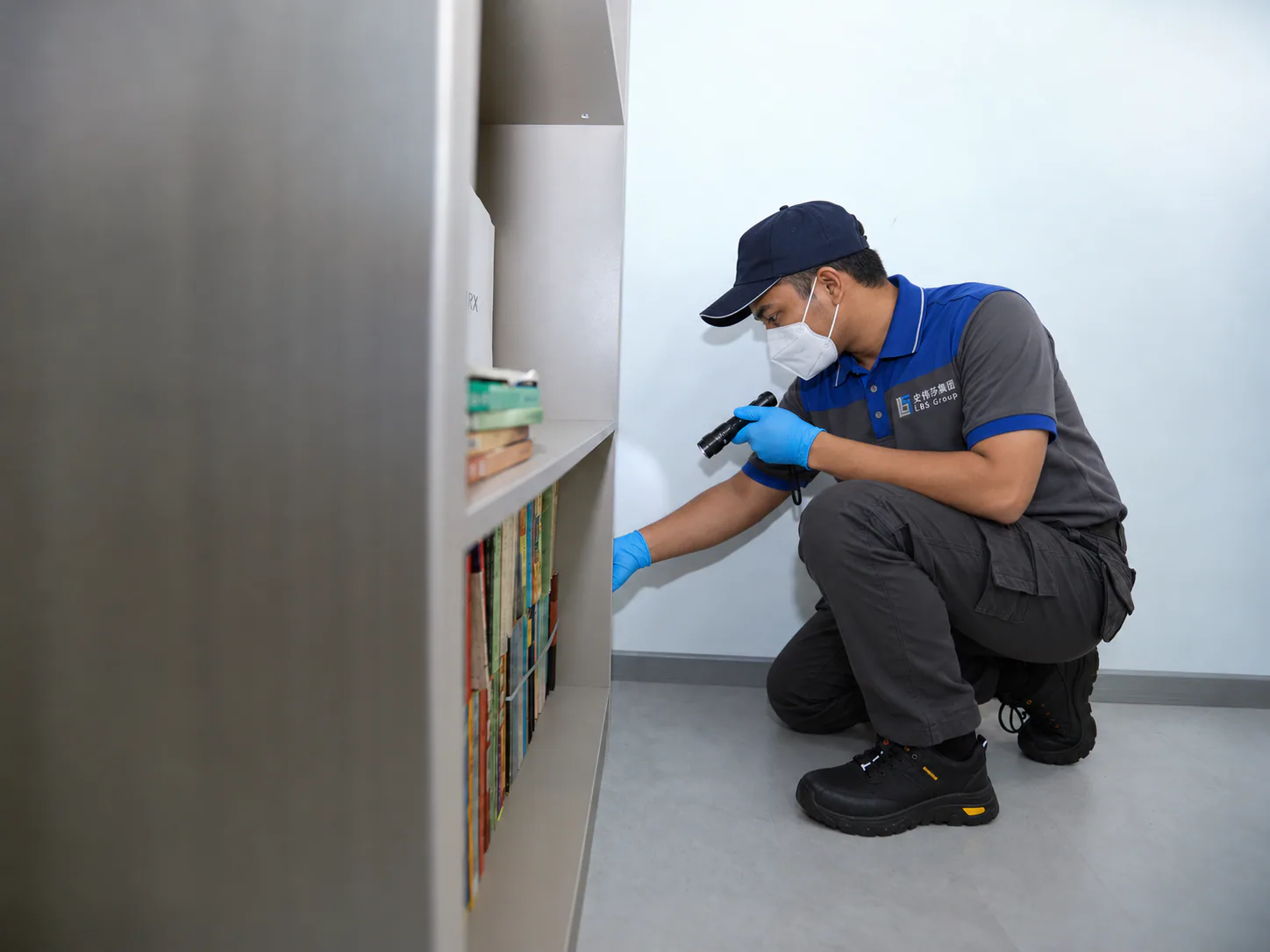
Spraying alone rarely stops ants because a spray only kills the workers it touches, while the queens and most of the colony stay hidden inside walls, floors and fittings. To stop ants returning to a kitchen, food display or storeroom, you need to remove their food, close their entry points and treat the colony itself, usually with bait.
Why do ants keep coming back after spraying?
Ants come back because the trail you can see is only a small part of the colony. Most of the workers, the brood and the egg-laying queens stay in the nest, often inside a wall void, under a counter or beneath a loose floor tile. Spraying the trail kills the foragers, and the nest simply sends out more.
The University of Minnesota Extension guide to ants makes the same point: only a small share of the colony is out foraging at any one time, so killing workers achieves little. The reliable route is getting insecticide into the nest to kill the queens, either directly or through bait. The guide describes spraying as temporary control with little or no effect on the nest.
In a busy F&B outlet or shop, spray-only treatment is weaker still:
- Hidden nests. In commercial buildings, ants often nest where a spray cannot reach: behind skirting, inside hollow counters, along wire trunking and in ceiling spaces.
- Several queens or colonies. Some species have more than one queen per colony, and one building can hold several colonies, so wiping out one trail changes little.
- Spoiled bait. If spray or a strong cleaning chemical lands on bait, ants may avoid it, which wastes the most effective tool you have.
- Easier food nearby. Sugar spills, crumbs under equipment and uncovered display food compete with any bait.
- Open doors. Ants nesting outdoors will return through the same gap under the back door unless it is sealed.
Are ants in a restaurant or shop a food safety risk or just a nuisance?
Ants are a food safety concern, not just a cosmetic one. They walk through drains, bins and floor debris before crossing worktops, food displays and packaging, and they can carry bacteria with them. In Malaysia, operators of food premises also have a legal duty to keep their premises free from pests.
A 2018 study published in AIMS Microbiology examined ants collected from home kitchens in Mauritius. Researchers found microorganisms including E. coli, Salmonella and Listeria on some of the ants, and showed in tests that ants could transfer E. coli onto food surfaces. The study looked at homes rather than commercial kitchens, but the lesson carries over: an ant trail across a preparation bench is a contamination route.
On the legal side, the Food Hygiene Regulations 2009, made under the Food Act 1983, require owners and occupiers of food premises to:
- keep the premises free of pests at all times
- act straight away to destroy pests and prevent re-infestation once they are noticed
- use only pest control treatments that do not put food safety at risk
- clean the premises at least once a day and avoid piles of empty boxes, bottles and other clutter that pests can shelter in.
Check the current wording with the Ministry of Health’s Food Safety and Quality Division or your local authority, because requirements can change. To learn which hygiene and pest failures most often lead to enforcement action, read our article on why Malaysian eateries get closed under Section 11 of the Food Act 1983.
Why do ants usually turn up with cockroaches and rodents?
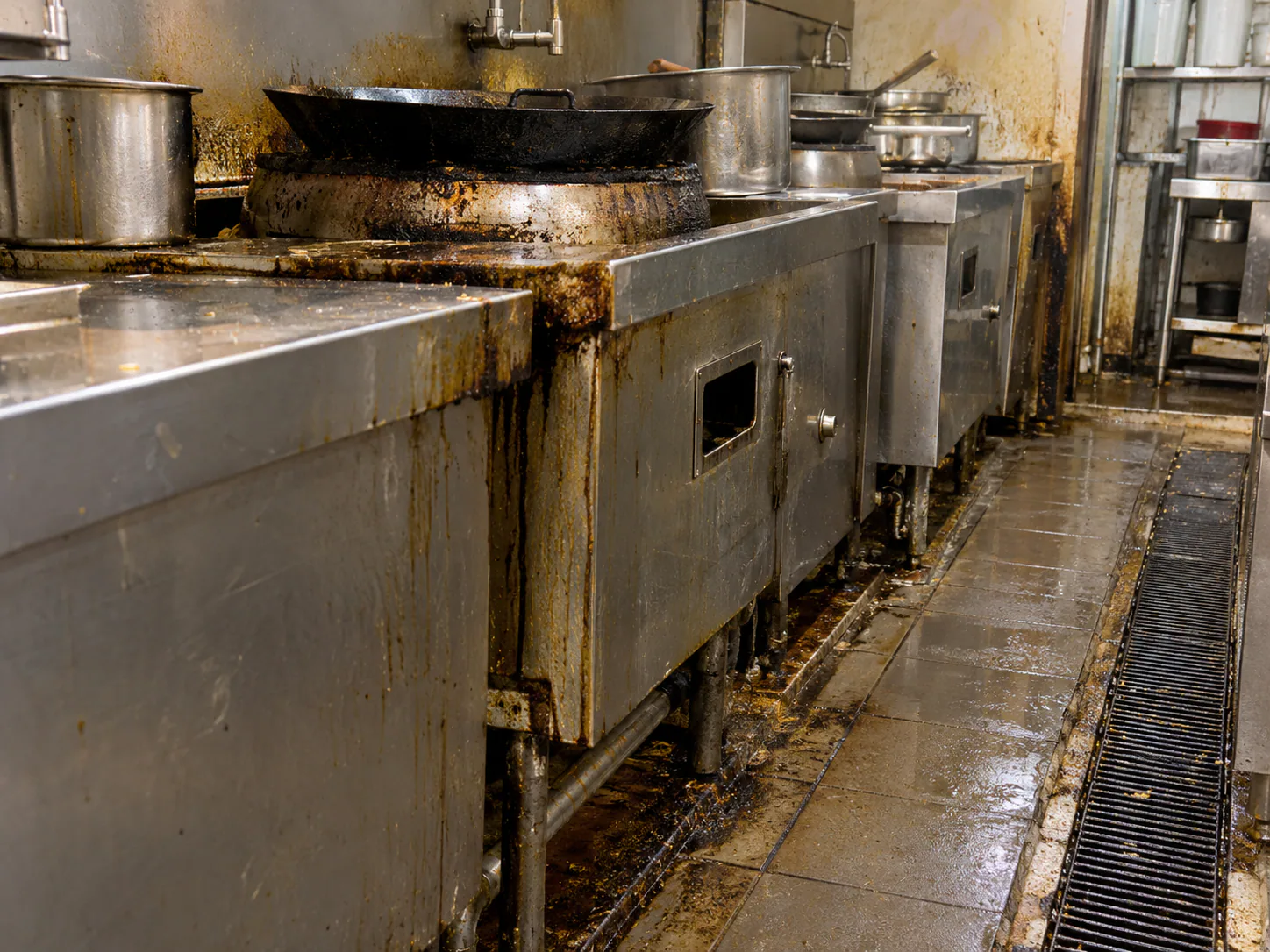
Ants, cockroaches and rodents are attracted by the same things: food residue, water, sheltered hiding places and gaps in the building. If a premises has ants, it usually has conditions that suit the other two as well, so treating ants on their own often misses the wider hygiene problem.
Our own service reports show this clearly. Across 46 commercial premises we serviced in Melaka and Johor in September and October 2026, cockroaches were treated at 45, ants at 44 and rats or mice at 43. At least 40 of the 46 visits treated all three.
What this means in practice:
- The fixes overlap. Daily cleaning, sealed gaps and closing up properly at night work against all three pests at once.
- Look beyond the ants. If you can see ant trails, also check for cockroach droppings and egg cases, and for gnaw marks or droppings left by rodents.
- Plan one programme, not separate call-outs. A combined plan for cockroach control, rodent control and ants shares one inspection and one round of proofing work. Our guide to why cockroaches keep coming back and how to break the cycle covers habits that feed ants too.
Spraying, baiting or sealing: which ant control method works best?
No single method works on its own. Residual spraying creates a barrier around the building, baiting reaches the colony, and cleaning and proofing take away the reasons ants come inside. The most reliable results come from combining all three, with each method used where it fits.
| Method | What it does | Limitation | Best use |
|---|---|---|---|
| Residual spray (inside and outside perimeter) | Leaves a treated barrier that kills ants crossing it | Does not reach the nest; must be kept away from food and bait | Perimeter barrier within a wider programme |
| Ant bait (gel or bait station) | Workers carry it home and share it with the colony, including the queens | Slow; can take several weeks or longer, and fails if other food is easier to reach | Indoor trails and nests you cannot reach |
| Direct nest treatment | Kills the colony at its source | Only possible once the nest has been found | Nests found by following trails |
| Sealing and proofing | Blocks entry points and nesting voids | Ants are tiny, so not every gap can be closed | Doors, pipe openings, trunking and ceilings |
| Daily cleaning and sealed storage | Removes the food that keeps foragers coming | Depends on staff discipline every day | Every kitchen, display and storeroom |
| Misting or fogging | Knocks down insects on exposed surfaces and in the air | Does not reach colonies hidden in voids | Specific situations, not routine ant control |
In our service reports, residual spraying of the inside and outside perimeter was used at 44 of 46 visits. Across the same 46 visits, our technicians also used cockroach gel baiting at 40, glue boards at 39 and rodent bait at 36, so spraying formed one layer of each programme rather than the whole of it. Misting or fogging was used at only 7 of 46 visits.
How do you get rid of ants in a commercial kitchen, food display or storeroom?
Start by finding where the ants are coming from and what they are feeding on. Then remove the food, close the route in and treat the colony. The steps below apply to kitchens, retail food displays and back storerooms, and most of them can be carried out by your own staff between professional visits.
Step 1: Follow the trail. Watch where the ants go and where they disappear; finding a nest can take 30 minutes or more. Photograph each trail and note its location for your pest control provider.
Step 2: Clean every day and leave no food out. Our technicians often advise customers to clean every day, especially the kitchen, and to make sure no food is left out. Pay attention to sugary spills, the floor under equipment and display trays. Our kitchen hygiene services can support routine cleaning.
Step 3: Store stock properly. Keep dry goods in sealed containers, close opened packets, store stock off the floor and use older stock first. Remove damaged packaging promptly.
Step 4: Close the gaps. Our technicians have advised customers to close gaps and holes at doors, in the dining area, around pipes in the warehouse, around wire trunking and in the ceiling of the selling floor. They have also advised installing netting from the selling floor ceiling through to the back storeroom.
Step 5: Close up properly at night. Close floor traps properly, close doors and roller shutters at night, and close the door gap at the back entrance near the rubbish bin area. All of these are points our technicians have written up for customers.
Step 6: Let the bait work. Do not spray or wipe cleaning chemicals over bait points, and make sure cleaning staff know where they are. Seeing ants gather at the bait for a while is normal, because they are carrying it back to the nest.
Step 7: Record and review. Log new sightings with the date and location so trends are visible. Every LBS Group service visit is recorded in a digital service report covering service details, site observations, corrective actions and service history, which gives you a clear record if a health inspector or auditor asks what has been done.
Extra checks for retail stores
- Look under and behind shelving, display chillers and checkout counters, where spills and crumbs collect out of sight.
- Return or dispose of torn and leaking packs quickly.
When should you call a professional pest management company?
Call a professional when ants keep returning after your own treatment, when you cannot find the nest, when trails reach food preparation or display areas, or when you also see signs of cockroaches or rodents. A professional can identify the species, choose a suitable bait and build ant control into a wider programme.
Signs that it is time to get help:
- Trails come back in the same places after every spray.
- Ants appear in sealed areas, such as inside equipment or wall-mounted fittings.
- Winged ants appear indoors, which can point to a nest inside the building.
- You are preparing for an inspection or audit and need documented treatment records.
LBS Group has worked in professional pest management since 1998, is ISO 9001 Quality Management certified and is a member of the Malaysia Pest Management Association (MPMA). We serve food and beverage outlets, hotels, factories and homes from branches in Kuala Lumpur, Penang, Ipoh (Perak), Melaka, Johor and Pahang.
Stop ants coming back to your premises
If ants keep returning despite regular spraying, our team can inspect your kitchen, display or storeroom, trace where they come from and recommend one plan covering ants, cockroaches and rodents. Request a free inspection, message us on WhatsApp at 0122950573 or email admin@lbsgroup.com.my.
Our office hours are Monday to Friday, 9:00 AM to 6:00 PM, and Saturday, 9:00 AM to 1:30 PM.