Cockroaches, Ants and Rats at the Same Premises: Why Commercial Sites Rarely Have Just One Pest
24 November 2026
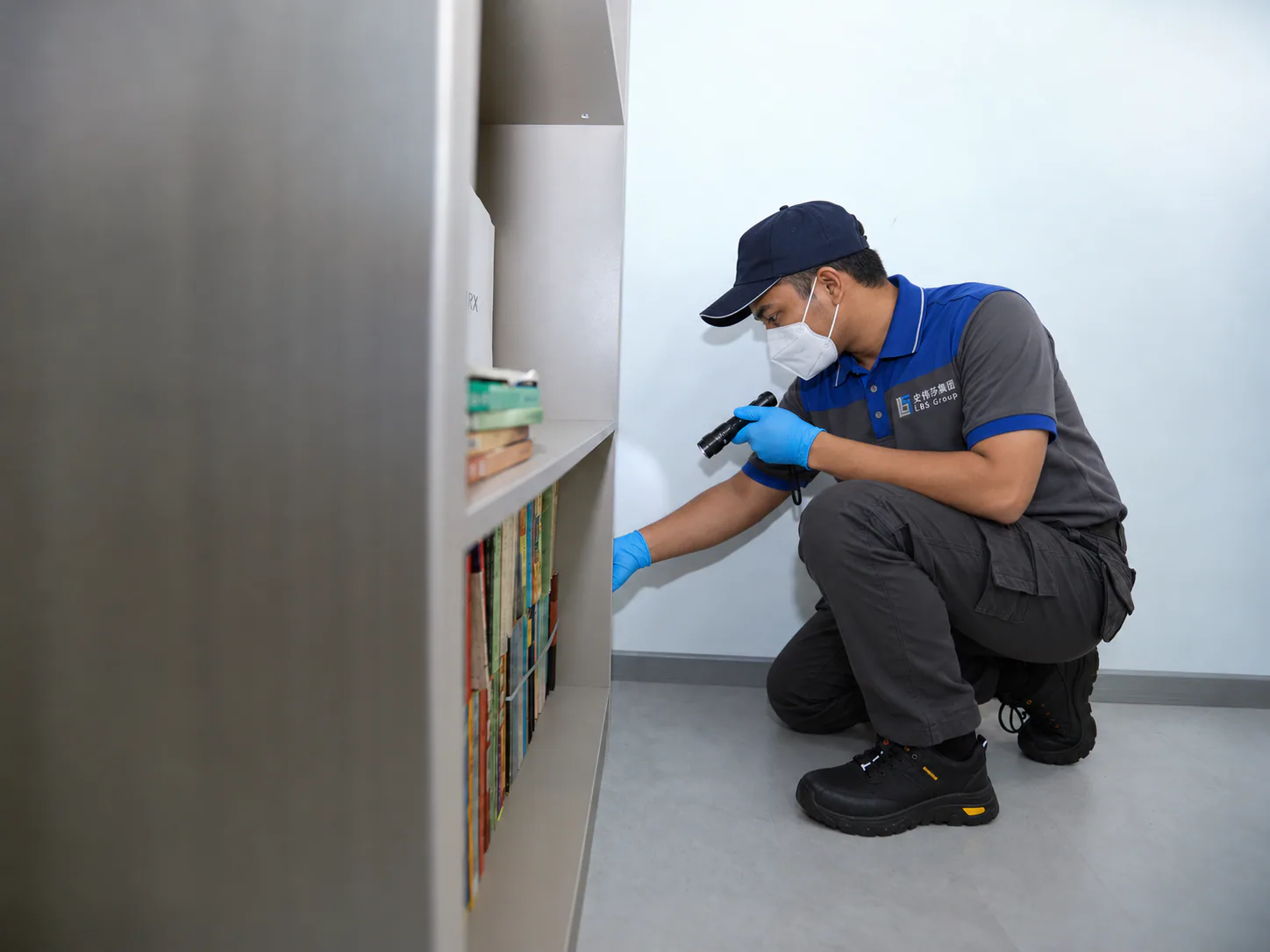
Cockroaches, ants and rats usually appear together because they are drawn by the same things: food residue, water, hiding places and gaps that let them in. A site that suits one pest nearly always suits the other two, so the lasting fix is a single programme that removes those shared conditions and treats each pest with its own method.
Why do cockroaches, ants and rats show up at the same premises?
All three pests need the same basics to survive: something to eat, something to drink and somewhere undisturbed to shelter. Commercial kitchens, retail stores and warehouses offer all of these under one roof, often with gaps around doors, pipes and cables that let pests move in from drains, neighbouring units and bin areas.
Public health guidance makes the same point. The Arizona Department of Health Services food safety guide on pest control frames prevention around denying pests food, water and harbourage. Remove those three and every pest on site loses its reason to stay.
On a typical Malaysian commercial site, the shared attractions look like this:
- Food: crumbs under counters and equipment, spills behind fryers, open sacks of dry goods, overflowing or uncovered bins.
- Water: dripping taps, condensation from chillers, wet floors left overnight, floor traps that are open or poorly fitted.
- Shelter: ceiling voids, wire trunking, cluttered storerooms, the warm space behind refrigerators and under display units.
- Access: gaps under doors, roller shutters left open, unsealed holes where pipes and cables pass through walls.
Each pest uses these in its own way. Cockroaches stay close to warmth and moisture and hide in cracks near the kitchen. Ants send foragers along trails from a colony that may sit inside a wall or outside the building. Rats and mice travel along walls and ceilings, nest in quiet storage areas and gnaw through packaging. Different habits, same building, same weak points.
How common is it to find all three pests at one commercial site?
In our experience, it is the norm rather than the exception. In our own service reports from 46 commercial premises, cockroaches were treated at 45, ants at 44 and rats or mice at 43. At least 40 of the 46 visits treated all three pests during the same service.
These reports cover commercial premises in Melaka and Johor serviced in September and October 2026.
| Pest treated | Premises (out of 46) |
|---|---|
| Cockroaches | 45 |
| Ants | 44 |
| Rats or mice | 43 |
| All three in the same visit | At least 40 |
What this means in practice:
- If you have seen one of these pests, assume the others may be present and ask for an inspection that covers all three.
- A quote or contract that names only one pest probably leaves gaps in your protection.
- Evidence matters more than sightings. Droppings, gnaw marks, egg cases and ant trails often appear before staff ever see a live rat or cockroach.
Can one treatment get rid of cockroaches, ants and rats together?
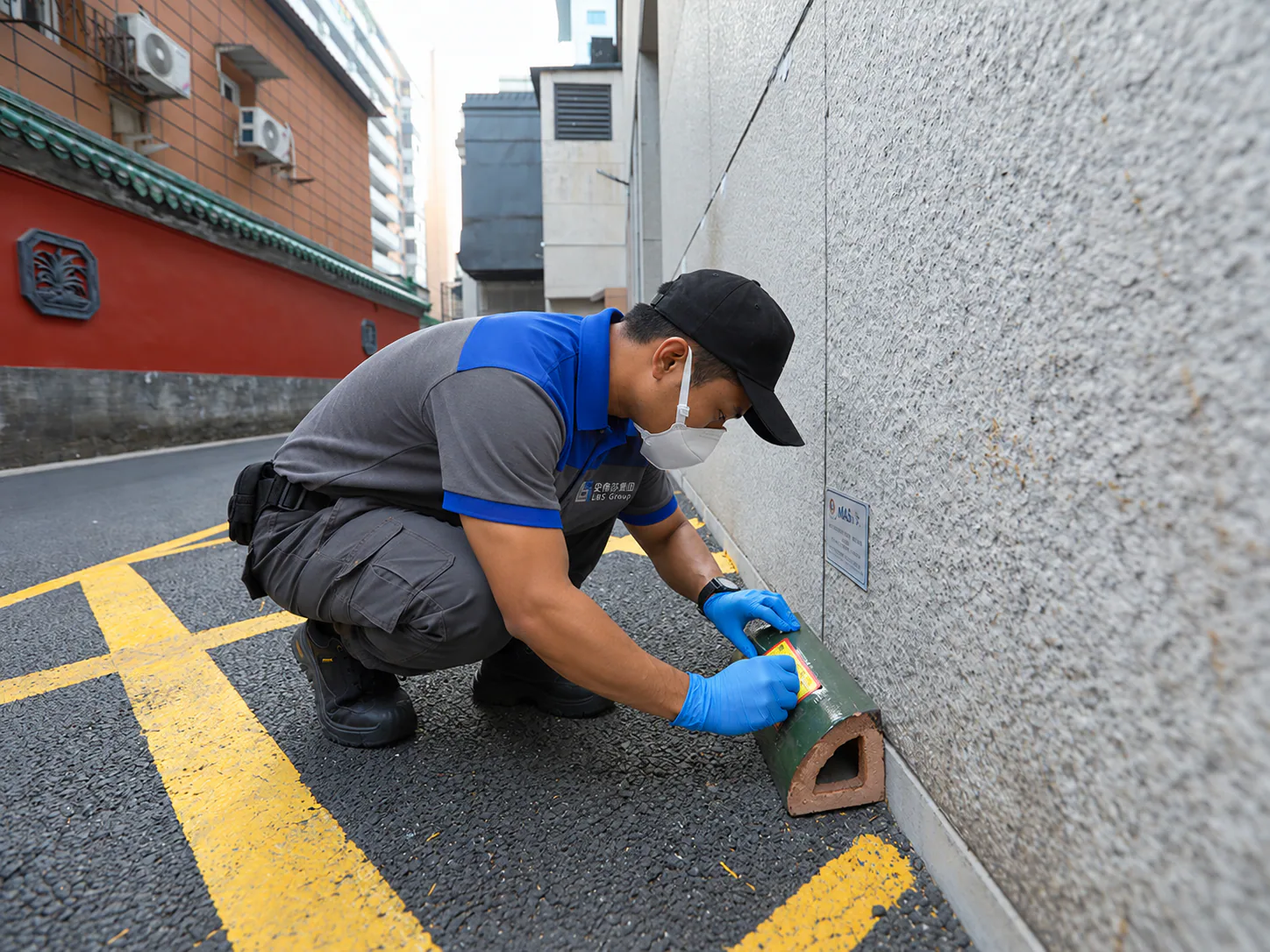
No single product controls all three, because each pest feeds, travels and nests differently. A sound programme combines several methods in the same visit: a residual barrier around the perimeter, baits placed where each pest feeds, and monitoring devices that show whether activity is falling between visits.
Our own service reports reflect this mix. Residual spraying of the inside and outside perimeter was used at 44 of 46 visits, cockroach gel baiting at 40, rodent bait at 36 and glue boards at 39.
| Pest | Where it usually hides | Methods commonly combined | Why general spraying is not enough |
|---|---|---|---|
| Cockroaches | Cracks near cookers, sinks, drains and fridge motors | Gel baiting in hiding places, residual treatment, monitoring | Many insects stay deep in cracks the spray never reaches |
| Ants | Trails along skirting, wall voids, colonies outside | Baits that foragers carry back to the nest, targeted treatment | Killing foragers leaves the colony and queen untouched |
| Rats and mice | Ceiling voids, storerooms, bin areas, wire trunking | Bait stations, glue boards or traps, proofing, monitoring | Insect sprays do not control rodents; closing entry points is essential |
For more detail on each pest, see our cockroach control and rodent control services, or read why spraying alone doesn’t stop ants in kitchens and retail stores.
What can my staff do to keep all three pests out?
Much of the work happens between service visits. Sealing gaps, keeping doors shut after hours, cleaning food areas daily and managing rubbish cut off food, water and shelter for every pest at once. That makes professional treatment more effective and helps stop pests returning after each visit.
Step 1: Close the gaps. Our technicians regularly advise customers to close gaps and holes at doors, in the dining area, around pipes in the warehouse, around wire trunking and in the ceiling of the selling floor. Small openings like these serve rats, cockroaches and ants alike.
Step 2: Shut the building at night. Keep back doors, loading bay doors and roller shutters closed after closing time. Fit door sweeps or brush strips where daylight shows under a door, especially near the rubbish area.
Step 3: Clean every day, not just before inspections. Clear food residue from under equipment, wipe down preparation surfaces and make sure no food is left out overnight.
Step 4: Control water. Fix leaks, keep floor traps properly covered, and dry floors and mop buckets at the end of each shift.
Step 5: Store stock off the floor. Keep dry goods in sealed containers on racks, rotate stock and clear clutter from storerooms so hiding places can be inspected.
Step 6: Report what you see. Note the date, time and exact spot of any sighting or droppings and share it with your pest control provider before their next visit.
For F&B outlets, our night-time closing checklist for keeping rats and cockroaches out after hours turns these steps into a routine for closing staff.
Why should one provider manage all your pests rather than separate contractors?
Because the causes overlap, the fixes overlap too. One provider who inspects for every pest, treats them in one coordinated visit and records findings in one place can spot the links, such as a single gap that admits both rats and cockroaches, that separate contractors working to narrow scopes may miss.
This is the thinking behind integrated pest management (IPM). Penn State Extension’s community IPM resources describe IPM as a decision-making approach that often reduces the amount of pesticide needed. Inspection, proofing, sanitation and targeted treatment work together rather than relying on chemicals alone.
A single programme also simplifies your records. Every LBS Group service visit is recorded in a digital service report covering service details, site observations, corrective actions and service history, so you can see in one document what was found, what was treated and what your team still needs to fix.
For food businesses, records matter. Food premises in Malaysia are subject to the Food Act 1983 and the Food Hygiene Regulations 2009, which include requirements to keep premises clean and free from pests, and health officers can order the closure of premises under Section 11 of the Act. Check the current requirements with the Ministry of Health or your local health office, as rules and enforcement practice can change.
How can I tell whether the pest programme is working?
Look for fewer sightings and less evidence over successive visits, not just a completed service sheet. Trends in monitoring points, glue board catches and bait take, together with corrective actions that are actually closed, show whether pest pressure is falling or whether a hidden source still needs attention.
Questions worth asking at each review:
- Are cockroach, ant and rodent findings falling, steady or rising compared with previous visits?
- Which areas keep recurring, and has the cause been identified?
- Which corrective actions are still open, and who on your side owns them?
- Have any new entry points appeared after renovation, deliveries or equipment changes?
For sites with persistent rodent activity, continuous monitoring helps. LBS Group’s IoT Rodent Management Series combines smart infrared sensors, smart rodent traps with real-time notifications, frequency-based repellent devices and digital activity reporting, so activity is flagged between scheduled visits rather than discovered at the next one.
LBS Group has focused on professional pest management since 1998, is ISO 9001 Quality Management certified and is a member of the Malaysia Pest Management Association (MPMA).
Seeing more than one pest at your site?
If cockroaches, ants and rats keep turning up together, treat it as one problem with shared causes. Our technicians can inspect for all three, identify the entry points and conditions behind them, and set out a combined programme with clear actions for your team.
Request a free inspection, message us on WhatsApp at 0122950573 or email admin@lbsgroup.com.my. We serve homes and businesses from branches in Kuala Lumpur, Penang, Ipoh (Perak), Melaka, Johor and Pahang. Our office hours are Monday to Friday, 9:00 AM to 6:00 PM, and Saturday, 9:00 AM to 1:30 PM.